Planting
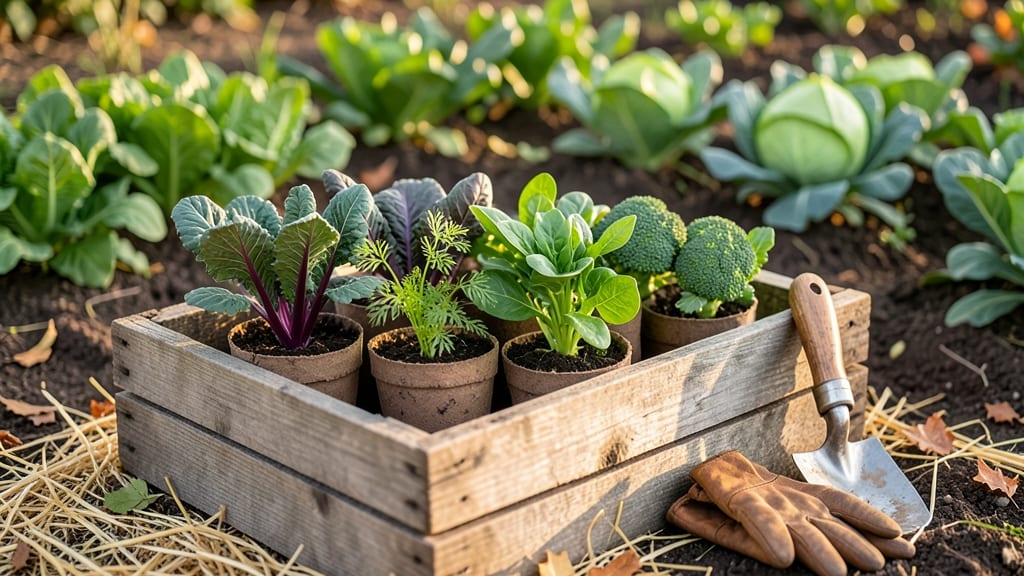
Planting a garden in Washington, DC, starts with timing your crops to the city’s unique microclimates—get it wrong, and your 🌱 General Garden Vegetables might face a late frost or sweltering heat before they’re ready.
Washington, DC’s diverse zones—from downtown’s urban heat islands to cooler river-adjacent areas—mean the ideal planting window isn’t one-size-fits-all. A 5-day delay in the suburbs could spell disaster for tomatoes, while downtown gardeners might need to plant heat-lovers weeks earlier.
Most General Garden Vegetables thrive when planted after the last frost—around March 15 for the city’s 7a-7b zones—but urban heat can push that window to February 20 in some spots. Fall planting? Aim for August 15–September 15, but adjust if your microclimate runs hotter.
Below, I break down the exact dates by zone, how to spot false springs, and pro tips for containers or in-ground beds—so you can turn DC’s quirks into a harvest goldmine instead of a guessing game.
Washington DC planting calendar by microclimate zone: exact dates for cool and warm season crops
Washington DC’s gardening seasons vary dramatically between urban heat islands (like Capitol Hill) and cooler suburban zones (near Rock Creek Park). The average last frost date is March 15 in Zone 7a, but downtown areas can experience earlier soil warming by 1-2 weeks.
This means your tomato seeds might germinate 7 days sooner in Southwest DC than in Northeast neighborhoods.
For cool-season crops like kale and peas, aim to plant between March 1 and April 15—but verify soil temps reach 40°F (4°C) for best germination. Warm-season crops such as basil and cucumbers should wait until May 10 after the last frost risk passes entirely.
Urban areas may even start heat-loving plants like okra 2 weeks earlier than suburban gardens.
Here’s your microclimate-adjusted planting guide, including soil temperature thresholds and crop-specific windows for DC’s most productive zones:
| Crop Type | Urban Heat Island (Downtown) | Suburban/Rural (Northwest) | Soil Temp Threshold | Notes |
|---|---|---|---|---|
| Cool-Season Veggies (Lettuce, Spinach, Peas) | March 1–April 15 | March 15–April 30 | 40–50°F (4–10°C) | Use row covers for late frosts |
| Warm-Season Veggies (Tomatoes, Peppers, Cucumbers) | April 20–May 10 (transplants) | May 10–June 1 | 55–65°F (13–18°C) | Mulch to retain moisture |
| Herbs (Basil, Cilantro, Dill) | April 15–May 5 | May 5–May 20 | 50–60°F (10–15°C) | Basil bolts in heat—plant in partial shade |
| Fall Crops (Kale, Carrots, Radishes) | August 1–September 15 | July 15–August 30 | 50–60°F (10–15°C) | Extend season with cold frames |
| Flowers (Marigolds, Sunflowers, Zinnias) | April 25–May 15 | May 1–May 25 | 55°F (13°C) minimum | Deadhead for continuous blooms |
Pay close attention to soil temperature, not just air temperature. Use a soil thermometer to confirm readiness—cool-season crops need 40°F (4°C) while warm-season crops stall below 55°F (13°C).
In urban zones, black plastic mulch can raise soil temps by 5–10°F, letting you plant tomatoes 10 days earlier.
For container gardening in downtown areas, start warm-season seeds indoors by March 15 to transplant after the last frost. Urban heat islands also benefit from shade cloth during summer to protect leafy greens from bolting.
Monitor your local NOAA frost data—some years, the first frost arrives as early as October 20.
Herbs like basil and cilantro thrive in DC’s spring but bolt in summer heat. Plant basil in partial shade after June 15 and harvest frequently to delay flowering. Cilantro, however, prefers cooler temps—sow it in early spring or late summer for best results.
Extend
How to adjust planting times for Washington DC’s urban heat islands and river effects
Washington DC’s urban heat islands can make downtown areas 5-10°F warmer than nearby suburbs, while river-adjacent zones near the Potomac stay cooler. These microclimates shift planting windows dramatically—heat-tolerant crops thrive earlier downtown, while river zones enjoy extended fall harvests.
Understanding these differences lets you maximize your garden’s potential without guessing.
For example, okra or sweet potatoes can start in late April downtown, but wait until mid-May near the river. Meanwhile, kale and spinach planted in September near the Potomac may survive until December, while downtown beds might freeze by November.
The key? Adjust your schedule based on your specific microclimate’s soil temperature and heat stress risks.
- 🔥 Urban Heat Islands: Start heat-loving crops (like peppers or eggplant) 2 weeks earlier than suburban areas. Use reflective mulch to reduce soil temps.
- 💧 River-Adjacent Zones: Extend fall planting by 3-4 weeks. Cool-season crops (e.g., broccoli) can thrive until early November with row covers.
- 🌡️ Soil Prep Tip: Test soil temps—50°F+ for warm crops, 40°F+ for cool crops. Downtown soil heats up faster; river zones stay cooler longer.
- ☀️ Shade Management: Downtown gardens need afternoon shade for delicate greens. Use lattice screens or fast-growing vines to filter harsh sun.
- 🌱 Mulching Strategy: Apply 3-inch mulch downtown to retain moisture; use straw mulch near rivers to insulate roots from cold snaps.
If you’re gardening in downtown DC’s concrete jungle, prioritize drought-resistant varieties like zucchini or black-eyed peas. These handle the intense heat better than traditional tomatoes, which may bolt prematurely without shade. I’ve had success with container gardening on rooftops—just ensure pots have heat-resistant materials like clay.
Near the river, focus on fall crops that thrive in cooler temps. Cabbage and carrots planted in late August can mature by October, giving you a head start on winter storage. The Potomac’s breezes also reduce pest pressure, so you’ll need fewer organic sprays than downtown gardeners.
Pro tip: Use local weather stations (like NOAA’s DC data) to track microclimate shifts. I check soil temps weekly in both my downtown and river-adjacent beds—this helps me adjust planting dates when unexpected heat waves or cold snaps hit. A soil thermometer is your best friend for nailing timing!
Remember, microclimates aren’t static. A new building downtown might alter wind patterns, or a drought could shift heat island effects. Stay flexible, and don’t hesitate to start seeds indoors for high-value crops like tomatoes or peppers to hedge your bets.
With these adjustments, you’ll turn DC’s quirks into garden advantages! 🌱