
Planting
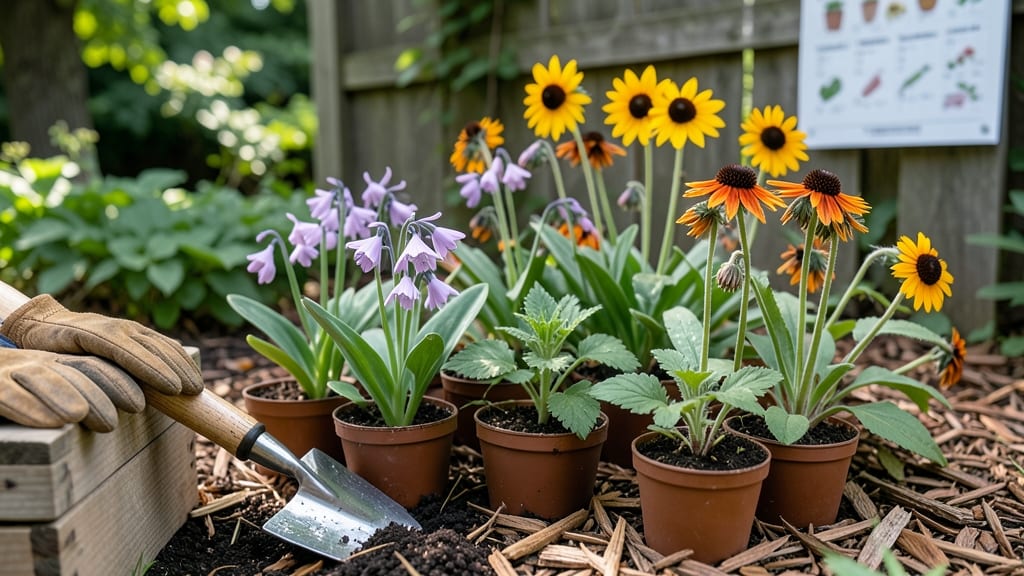
Planting a garden in Virginia at the right time means the difference between a thriving harvest and a sad, wilted mess — and the clock starts ticking with your last frost date.
Virginia’s diverse climate—from the cool mountains to the humid coast—means your garden’s success hinges on planting at the perfect time. Get it wrong, and your tomatoes could bolt or your lettuce freeze. But nail these timing secrets, and you’ll enjoy a bountiful harvest all season long.
Cool-season crops like spinach and peas need to go in the ground as soon as the soil is workable, while warm-season favorites like peppers and cucumbers wait until after the last frost. The key? Knowing your region’s frost dates and adjusting your planting schedule accordingly.
In this guide, you’ll find a breakdown of Virginia’s frost zones, heat-tolerant crops to plant first, and tips to extend your growing season. Let’s get your garden off to the best start!
Virginia’s last-frost dates by region: when to plant cool-season vs. warm-season crops
Virginia’s climate varies dramatically from the coastal Tidewater region to the mountainous Shenandoah Valley, making frost dates critical for your garden’s success. Planting too early can mean frost damage to tender crops, while waiting too long risks bolting or poor yields.
Understanding your local last-frost date ensures you time cool-season crops like spinach and warm-season crops like tomatoes perfectly.
Cool-season crops thrive in 50-70°F soil temperatures, while warm-season crops need 60°F+ soil and consistent warmth. The key is knowing your region’s average last-frost date—typically between March and May—and adjusting for your microclimate.
Coastal areas like Norfolk often see their last frost by March 15, while higher elevations in the Shenandoah Valley may not reach safety until May 15.
Here’s how Virginia’s three main regions differ in frost timing, along with the ideal planting windows for both cool-season and warm-season crops:
| Region | Avg. Last Frost | Cool-Season Planting Window | Warm-Season Planting Window | Key Crops |
|---|---|---|---|---|
| Tidewater (Coastal) | March 15 | Feb 15 – April 1 | April 15 – May 15 | Spinach, Peas, Lettuce, Broccoli |
| Piedmont (Richmond, Charlottesville) | April 1 | March 1 – March 31 | April 30 – May 10 | Kale, Radishes, Tomatoes, Peppers |
| Shenandoah Valley (Roanoke, Staunton) | May 15 | March 15 – April 15 | May 15 – June 1 | Peas, Carrots, Cucumbers, Basil |
For cool-season crops, aim to plant 4-6 weeks before your region’s last frost date. For example, in the Piedmont, sow spinach by March 1 to harvest before summer heat sets in.
In the Shenandoah Valley, wait until April 15 to avoid late frosts damaging lettuce or peas.
Warm-season crops like tomatoes and peppers need soil temperatures above 60°F. In the Tidewater, you can start seeds indoors by March 1 and transplant after April 15.
In the Piedmont, hold off until May 1 to ensure soil warmth. Mountain regions like the Shenandoah Valley often require waiting until late May or even early June.
Pro tip: Use frost cloth to extend your cool-season planting by 2-3 weeks if a late frost threatens. For warm-season crops, opt for heat-tolerant varieties like ‘Celebrity’ tomatoes or ‘Jalapeño’ peppers, which handle Virginia’s humidity better than standard types.
Always check local weather forecasts in late winter for unusual frost patterns. My garden in Northern Virginia saw a late frost in April 2022 that wiped out my cucumber seedlings—lesson learned! Adjust your planting dates based on 3-5 year averages from sources like the Virginia Cooperative Extension.
Succession planting is your secret weapon. In the Tidewater, sow bush beans every 2 weeks from April to July for continuous harvests. In the Shenandoah Valley, stagger kale plantings from May to August to enjoy fresh greens into fall.
This strategy maximizes your garden’s productivity regardless of Virginia’s variable climate.
Don’t forget to harden off seedlings before transplanting. Acclimate them to outdoor conditions over 7-10 days by gradually increasing their time outside. This step is crucial for tomato and pepper plants, which are especially sensitive to temperature shocks.
With these region-specific frost dates and planting windows, you’ll avoid the common mistakes that lead to wasted seeds and failed harvests. Happy planting—your garden’s success starts with timing!
Heat-tolerant crops to plant first in Virginia: fast-growing vegetables that beat the heat
Virginia’s early summer heat can be brutal on traditional garden crops, but some vegetables thrive in the humidity and high temperatures. When the thermometer climbs, these heat-tolerant crops become your secret weapon for a productive garden.
I’ve planted these same varieties in my own Virginia garden, and they consistently deliver—even when other plants wilt under the midday sun.
Timing is everything with heat-loving plants. By planting these fast-growing vegetables first, you’ll secure an early harvest before the heat peaks in July and August. These crops don’t just survive—they prosper in Virginia’s summer conditions, giving you fresh produce when other gardens struggle.
The key to success is understanding each plant’s ideal planting window and growing conditions. For example, okra and southern peas love the heat and actually produce better when temperatures rise.
Meanwhile, sweet potatoes thrive in Virginia’s long, humid summers. Let’s dive into the top three crops that outperform in our state’s humidity.
Plant after last frost (April-May in most regions). Harvest pods when 3-4 inches long for tender texture. Thrives in 90°F+ temperatures.
Direct sow in late May-June for best results. Harvest pods when firm and plump (60-70 days). Handles drought and humidity exceptionally well.
Plant slips in late May-June after soil warms. Harvest tubers 90-120 days later when vines yellow. Loves hot, humid conditions.
My favorite tip for maximizing these heat-tolerant crops is to mulch heavily after planting. A thick layer of straw or wood chips helps retain moisture and keeps roots cool during Virginia’s scorching afternoons.
I’ve seen okra plants in my garden produce three times more pods when properly mulched compared to unmulched beds.
Don’t forget to water deeply but infrequently—these plants prefer consistent moisture but hate soggy soil. Early morning watering (before 9 AM) prevents fungal diseases that thrive in Virginia’s humidity. I set up a drip irrigation system for my sweet potatoes, and the difference in yield was noticeable.
For a continuous harvest, consider succession planting southern peas every 2-3 weeks after the initial sowing. This ensures you’ll have fresh pods throughout the summer. I’ve also had great success interplanting okra with sweet potatoes—their different root depths complement each other beautifully.
With these heat-tolerant crops in your garden, you’ll have fresh produce even when other plants struggle. The secret isn’t fighting the heat—it’s working with it. Start with these three powerhouse plants, and you’ll enjoy a productive garden all summer long. Happy planting! 🌱☀️