
Planting
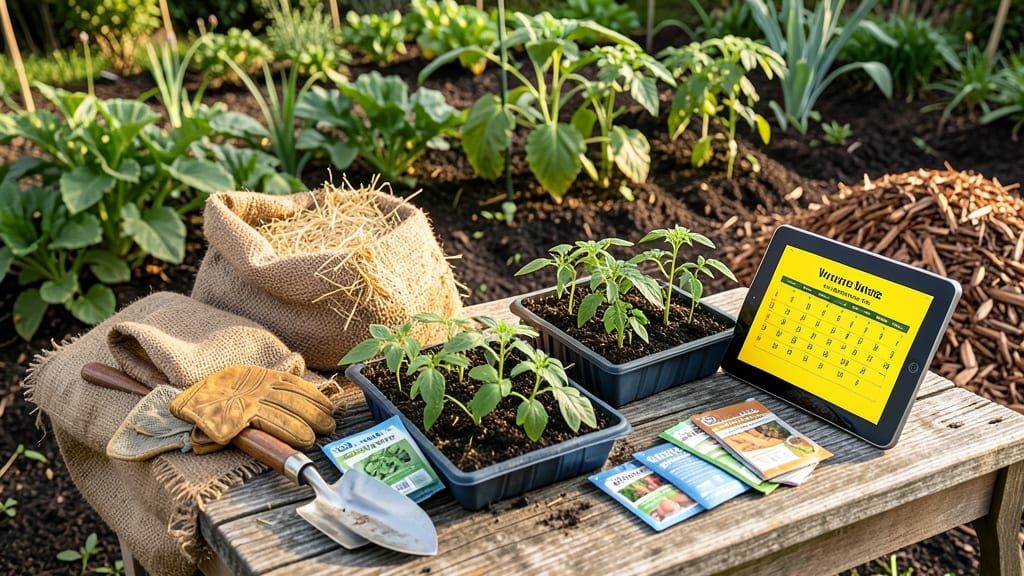
Planting a vegetable garden in Virginia at the right time means the difference between a bountiful harvest and wasted seeds.
Virginia’s mild winters and hot summers create a gardener’s paradise—but planting at the wrong time can mean wasted seeds or stunted crops. Timing is everything, especially in USDA Zones 7a and 7b, where last frost dates shift dramatically across the state.
Cool-season crops like lettuce and spinach can go in as early as February or March, while heat-loving veggies like tomatoes and peppers wait until after the last frost—typically mid-April to May—to avoid frost damage.
Below, I break down the exact planting windows for your region, soil prep tips to get your garden ready, and how to stretch the season for late fall harvests.
Virginia’s last frost dates by region: critical planting windows for zero-frost risk crops
Understanding Virginia’s last frost dates is the key to unlocking a bountiful harvest of heat-loving crops. In USDA Zones 7a and 7b, these dates vary dramatically—from March 15 in the southern Piedmont to April 15 in the mountains.
Planting too early risks frost damage, while waiting too long cuts your growing season short.
For zero-frost-risk crops like okra, sweet potatoes, and southern peas, timing is everything. These plants thrive only after the soil temperature consistently stays above 60°F, which typically aligns with 2-4 weeks after the last frost.
My garden in Zone 7b tells me waiting until April 20 ensures no surprise frosts.
Here’s a region-by-region breakdown of Virginia’s last frost dates, so you can plan your warm-season vegetable garden with confidence. Each area has its own microclimate—mountain valleys run 1-2 weeks later than coastal plains.
🌱
| Region | USDA Zone | Avg. Last Frost | Safe Planting Window | Heat-Tolerant Crops | Soil Temp. Threshold |
|---|---|---|---|---|---|
| Southwest Virginia (Blacksburg) | 7a | April 15 | April 25–May 10 | Okra, Sweet Potatoes, Southern Peas | 60°F+ |
| Central Virginia (Charlottesville) | 7a/7b | April 1 | April 15–April 30 | Peppers, Eggplant, Cantaloupe | 65°F+ |
| Northern Virginia (Arlington) | 7b | March 25 | April 5–April 20 | Tomatoes, Cucumbers, Basil | 60°F+ |
| Tidewater (Norfolk) | 7b | March 15 | March 25–April 10 | Watermelon, Okra, Peanuts | 65°F+ |
| Southeast Virginia (Richmond) | 7b | March 20 | April 1–April 15 | Sweet Corn, Green Beans, Peppers | 60°F+ |
| Mountain Regions (Roanoke) | 7a | April 10 | April 20–May 5 | Okra, Southern Peas, Tomatoes | 65°F+ |
If you’re planting okra or southern peas, wait until your region’s soil temperature hits 70°F+—these crops wilts instantly from even light frosts. My Zone 7b garden in Richmond shows that planting okra before April 15 risks stunted growth, while starting after April 30 cuts the harvest window.
For sweet potatoes, aim for transplanting after May 1 in most of Virginia. These root crops need 90+ days to mature, and early planting delays harvest until late fall, risking first frost damage. In Zone 7a, push back to May 15 for safety.
Use local frost data from sources like the Virginia State Climate Office to fine-tune your schedule. Even a 5°F swing can mean the difference between a thriving garden and a failed crop. I cross-check their 10-year averages with my own garden journal to adjust planting dates yearly.
Pro tip: Plant fast-maturing varieties like ‘Early Girl’ tomatoes (60 days) if you’re in a late-frost region. These give you a harvest before summer heat peaks, while slower varieties like ‘Brandywine’ tomatoes (85+ days) need the full frost-free window.
Don’t forget to harden off seedlings for 7-10 days before transplanting after frost. My pepper plants struggled last year because I rushed them into Zone 7a soil that was only 55°F—they took 3 weeks to recover. Patience here means healthier roots and faster growth.
🌿
Best heat-loving vegetables to plant after Virginia’s last frost (with exact timing)
Once Virginia’s last frost date passes (typically April 15–May 15 in USDA Zones 7a/7b), your garden unlocks a bounty of heat-loving vegetables that thrive in summer’s warmth. These crops—like tomatoes, peppers, and squash—need consistent temperatures above 50°F to flourish.
Planting too early risks stunted growth, while waiting too long cuts harvest time before fall’s first frost.
For maximum yield, focus on transplanting seedlings (not seeds) after soil warms to 60°F+. Most Virginia gardeners aim for April 15–May 15, but mountain regions (Zone 7a) may wait until May 1–15. Use row covers if nighttime temps dip below 55°F to protect tender starts.
| Vegetable | Plant After | Sun Needs | Days to Harvest | Companion Plants |
|---|---|---|---|---|
| Tomatoes | April 15–May 15 | 6–8 hrs | 60–90 days | Basil, marigold |
| Peppers (Bell/Hot) | May 1–15 | 6–8 hrs | 70–120 days | Onions, spinach |
| Cucumbers | April 20–May 10 | 6–8 hrs | 50–70 days | Radishes, beans |
| Okra | May 15–June 1 | 8+ hrs | 50–65 days | Peppers, corn |
| Sweet Potatoes | May 15–June 1 | 6–8 hrs | 90–120 days | Beans, corn |
For tomatoes and peppers, choose disease-resistant varieties like ‘Celebrity’ tomatoes or ‘Jalapeño M’ peppers to combat Virginia’s humid summers. Cucumbers and squash benefit from trellises to save space and reduce pests. Always mulch heavily (straw or black plastic) to retain moisture and suppress weeds during peak heat.
Pair companion plants strategically: Basil near tomatoes deters pests, while marigolds repel nematodes in pepper beds. Avoid planting fennel near anything—it inhibits growth! In Zone 7a, prioritize early-maturing varieties (e.g., ‘Early Girl’ tomatoes) to harvest before fall’s first frost (October 15–November 15).
Water deeply once weekly (1–1.5 inches) during dry spells, focusing on soil—not leaves—to prevent fungal diseases like blight. Use drip irrigation for consistency, especially for squash and melons, which wilt quickly in Virginia’s 90°F+ heat. Harvest peppers and tomatoes regularly to encourage more production.
Don’t overlook succession planting: After harvesting early bush beans (by July 15), replant with Southern peas or okra for a late-summer harvest. With the right timing and care, your Virginia garden can yield abundant heat-loving crops until frost! 🌿☀️