
Planting
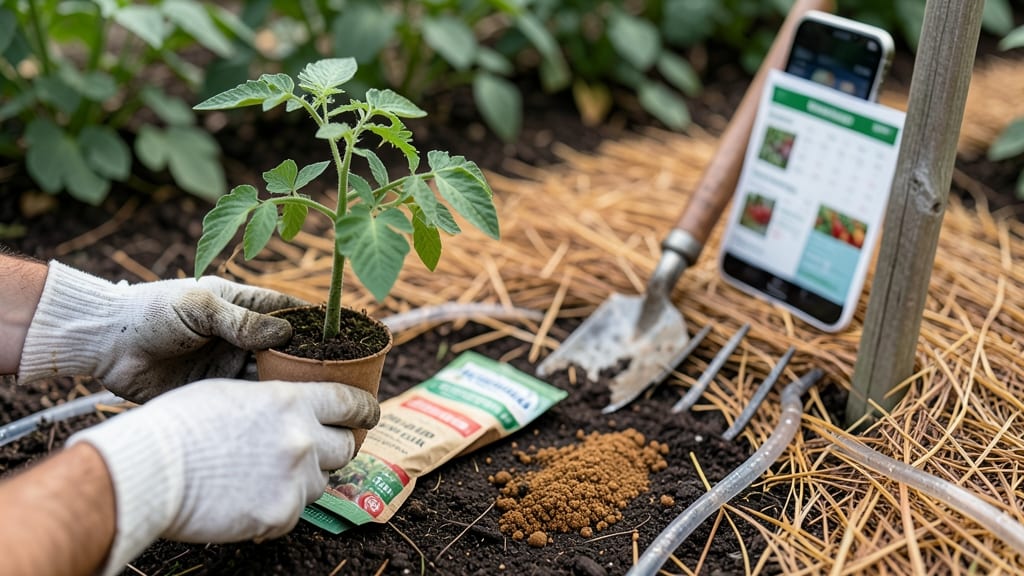
Planting a garden in South Carolina means timing your crops to avoid frost and maximize the 210-240 frost-free days your region offers—whether you're in the humid Lowcountry or the drier Piedmont.
Miss that window, and you’ll watch your seedlings wilt under a late freeze or struggle in summer’s brutal heat. I’ve seen tomato plants bolt to seed overnight when planted too early, and peppers turn bitter from the August sun if they don’t get shade.
This guide breaks down the exact planting windows for your zone—from cool-loving greens in March to heat-tolerant okra in July—plus how to stretch your season with row covers and succession planting.
You’ll find the month-by-month schedule, Clemson Extension’s frost-date data, and the one trick that saves my garden every year when the weather turns unpredictable.
South Carolina frost dates and planting zones: when to start your garden
South Carolina’s USDA Plant Hardiness Zones 7b–8a and 210–240 frost-free days create a gardener’s dream—but timing your plantings correctly is the key to success.
The average last frost date ranges from March 15 in the mountains to April 15 along the coast, while the first frost typically arrives in mid-November. These dates shift slightly each year, so always check local forecasts before planting.
Understanding your microclimate is crucial. Coastal areas like Charleston experience milder winters, allowing earlier plantings of warm-season crops (like tomatoes and peppers) compared to inland regions such as Columbia or Greenville.
Meanwhile, the Upstate’s cooler nights may delay planting by 1–2 weeks. Use these guidelines to align your garden with nature’s rhythm.
For cool-season crops (e.g., lettuce, broccoli, peas), start seeds indoors 6–8 weeks before your last frost date or sow directly in late February–early March in Zone 8a. These hardy plants thrive in 50–65°F soil and can even tolerate light frosts.
In contrast, warm-season crops (tomatoes, squash, beans) need soil temperatures above 60°F and should wait until after April 15 in most of the state.
| Region | Last Frost Date | First Frost Date | Best Planting Window | Key Adjustments |
|---|---|---|---|---|
| Coastal (Zone 8a) | March 20–April 1 | November 15–20 | March 1–April 15 (cool-season); April 15–May 15 (warm-season) | Plant heat-lovers earlier; use shade cloth in summer |
| Piedmont (Zone 7b–8a) | March 15–March 30 | November 1–November 10 | March 15–April 1 (cool-season); April 15–May 1 (warm-season) | Wait for soil to warm; mulch for cooler nights |
| Upstate (Zone 7b) | March 1–March 15 | October 30–November 5 | March 15–April 1 (cool-season); April 30–May 15 (warm-season) | Extend season with row covers; choose cold-hardy varieties |
If you’re planting perennials or trees, timing matters too. Early spring (March) is ideal for bare-root plants, while container-grown perennials can go in until October. For annuals, direct-sow cool-season crops like spinach and radishes 2–3 weeks before your last frost for a quick harvest.
Meanwhile, warm-season crops like okra and sweet potatoes should wait until soil temperatures hit 70°F, often late April–early May.
Pro tip: Use frost cloth to protect tender seedlings if an unexpected freeze threatens. This tactic buys you 2–3 extra weeks in both spring and fall. For example, I’ve used frost cloth to extend my broccoli harvest into December in Zone 8a, adding months to my garden’s productivity.
Monitor your local Clemson Extension Service updates for real-time adjustments.
For container gardening, warm-season crops can be planted 2–4 weeks earlier than in-ground plantings because containers warm up faster. Place pots in south-facing locations and use black plastic mulch to raise soil temperatures by 5–10°F.
This trick is especially useful for peppers and eggplants, which need consistent warmth to thrive.
Don’t forget about fall planting! Many gardeners overlook the fact that cool-season crops planted in August–September will mature before the first frost. Try kale, carrots, or turnips for a late harvest.
In Zone 8a, I’ve successfully grown cabbage until Thanksgiving by planting seeds in early September and using row covers to shield them from light frosts.
Finally, keep a gardening journal to track your local frost dates and adjust future plantings. Over time, you’ll notice patterns—like how your Upstate garden might frost a week earlier than your neighbor’s due to elevation. This knowledge turns guesswork into a predictable, bountiful harvest every season.
With these region-specific guidelines, you’ll avoid the common mistakes of planting too early (risking frost damage) or too late (missing the growing window). Happy planting—your garden’s success starts with timing!
Best crops to plant in South Carolina by month: a month-by-month guide
South Carolina’s humid subtropical climate gives gardeners a long growing season, but each month offers unique opportunities. Cool-season crops thrive in early spring and fall, while heat-loving varieties dominate summer. My month-by-month guide ensures you plant at the perfect time for maximum yields and flavor.
For coastal areas, expect slightly warmer winters and longer growing seasons, while inland regions may face earlier frosts. Always check your local last frost date (typically mid-March to April) before planting tender crops like tomatoes and peppers.
- 1 February-March: Start cool-season crops like peas, spinach, and lettuce indoors or under row covers. Plant onion sets and potatoes as soon as soil is workable.
- 2 April: After last frost (mid-April), plant tomatoes, peppers, and eggplants. Start cucumbers and squash from seeds. Herbs like basil and cilantro thrive in warm soil.
- 3 May-June: Plant okra, sweet potatoes, and southern peas for summer heat. Succession plant lettuce and beans every 2-3 weeks for continuous harvests. Marigolds and zinnias add color and deter pests.
- 4 July-August: Focus on heat-tolerant greens like malabar spinach and Swiss chard. Plant fall crops like broccoli and cabbage in late July for early fall harvests. Dill and parsley thrive in summer’s warmth.
- 5 September-October: Plant kale, carrots, and radishes for fall harvests. Cool-season herbs like parsley and cilantro flourish. Flowers like cosmos and asters add late-season beauty.
- 6 November: Plant garlic and cover crops like clover to protect soil. Overwinter hardy greens like kale with row covers for winter harvests.
My top tip: Use heat-tolerant varieties like ‘Celebrity’ tomatoes or ‘Southern Exposure’ collards to beat South Carolina’s summer humidity. Always mulch heavily to retain moisture and suppress weeds during peak heat.
For coastal gardeners, extend your season with shade cloth during extreme heat, while inland growers can push fall crops later with row covers. Succession planting ensures a steady harvest—try planting bush beans every 2 weeks from May to July!
With this month-by-month schedule, your South Carolina garden will be productive year-round, from cool spring peas to sweet summer okra and hardy fall kale. Happy planting! 🌱