
Planting
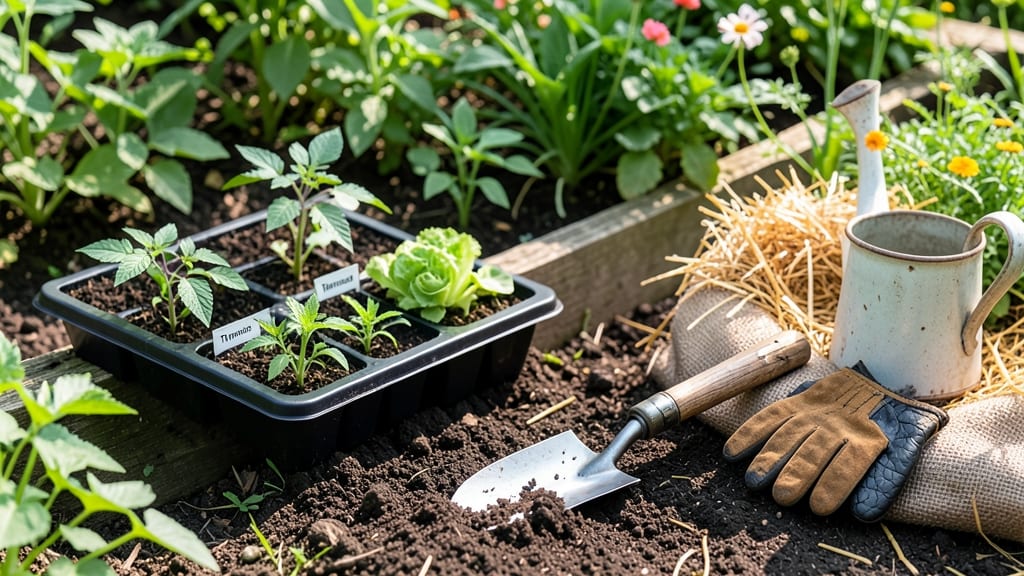
Planting a garden in Kentucky at the right time means the difference between a bountiful harvest and a wasted season — and the clock starts with your last frost date.
Kentucky’s unique climate—with its mild winters and hot summers—means your garden’s success hinges on planting at the perfect time. Get the wrong timing, and you risk frost damage or stunted growth. But with the right frost-free date strategy, you can maximize yields for everything from tomatoes to zucchini.
Whether you’re in Louisville’s USDA Zone 6b or Lexington’s Zone 7a, knowing when to sow cool-season crops like spinach or warm-season favorites like peppers is the key. The average last frost date shifts by weeks across the state, so blindly following a national guide won’t cut it.
In this guide, I’ll break down the exact planting windows for Kentucky’s most popular crops, plus pro tips to extend your growing season—so you can eat fresh from your garden longer than ever.
Kentucky’s frost-free dates by region: when to plant cool vs. warm-season crops
Kentucky spans USDA hardiness zones 5a to 7a, creating microclimates where frost-free dates vary by 2-3 weeks. In northern zones like Paducah (5a), last frosts average April 15, while southern areas like Bowling Green (7a) typically see their final frost by March 20.
These dates determine whether your cool-season crops like spinach survive or your tomatoes bolt in the heat.
Understanding your region’s frost dates is critical because planting warm-season crops too early risks frost damage, while cool-season crops planted late may bolt before harvest. For example, peas can handle light frosts, but cucumbers need soil temperatures above 60°F to thrive.
Let’s break down the key planting windows for Kentucky’s three main regions.
Here’s how Louisville (zone 6b), Lexington (zone 6a), and rural areas (zones 5a-7a) compare for planting cool vs. warm-season crops:
| Region | Avg Last Frost | Cool-Season Planting Window | Warm-Season Planting Window | Key Crops to Avoid Late Planting |
|---|---|---|---|---|
| Louisville (Zone 6b) | April 5 | March 15–April 15 | April 20–May 10 | Spinach, peas, lettuce |
| Lexington (Zone 6a) | April 10 | March 1–April 10 | April 25–May 15 | Broccoli, kale, radishes |
| Rural (Zones 5a-7a) | March 20–April 20 | February 28–April 15 | April 15–May 20 | Peas, carrots, onions |
For cool-season crops, aim to plant 4-6 weeks before your last frost date. For example, in Lexington (Zone 6a), spinach and peas should go in by March 1 to mature before the heat of summer.
Meanwhile, warm-season crops like tomatoes and peppers need soil temperatures above 60°F, which typically happens by mid-April in Louisville.
If you’re in a rural area with zone 5a, like northern Kentucky, consider using row covers to extend your cool-season planting window by 2-3 weeks. These covers protect young plants from late frosts, allowing you to plant lettuce or kale as early as February 28.
For warm-season crops, wait until soil temperatures are consistently above 65°F, often by May 1 in these cooler zones.
One common mistake is planting warm-season crops too early, only to have them killed by a late frost. To avoid this, use a soil thermometer to confirm temperatures are stable.
For cool-season crops, succession planting every 2 weeks ensures a continuous harvest. For example, plant radishes in March, April, and May to enjoy fresh harvests all summer.
Kentucky’s first frost dates also vary by region, with northern areas (like Paducah) seeing frost by October 20, while southern areas (like Bowling Green) may extend harvests until November 15.
This means you can plant fall crops like broccoli or kale as late as August 15 in southern zones, while northern gardeners should aim for July 31 to avoid frost damage.
Pro tip: Use local weather records from the National Weather Service or Kentucky Mesonet to fine-tune your planting dates. For instance, if your area had an early frost last year, adjust your warm-season planting by a week later.
Conversely, if you had a mild winter, you might push cool-season crops slightly later.
Finally, don’t overlook microclimates in your garden. South-facing slopes warm up faster, allowing you to plant warm-season crops 1-2 weeks earlier than the average frost date. Conversely, low-lying areas or shaded spots may experience frost 1 week later than your region’s average. Adjust your
Best crops to plant in early spring, late spring, and summer in Kentucky
Kentucky gardeners know timing is everything—especially when it comes to planting. Early spring brings cooler temps perfect for leafy greens, while late spring warms up for tomatoes and peppers. Summer is all about heat-loving crops like sweet potatoes and blackberries.
Missing these windows can mean stunted plants or wasted seeds, so let's get specific about what to plant when.
I’ve grown gardens in Kentucky’s USDA zones 6-7 for years, and I’ve learned the hard way that succession planting is key. By staggering your plantings every 2-3 weeks, you can enjoy fresh harvests all season long.
For example, collard greens thrive in early spring and can even handle light frosts, while okra and southern peas need the heat of summer to shine.
Here’s my foolproof guide to planting the best crops at the right time, with Kentucky-specific tips to avoid common mistakes:
Plant cool-season crops like spinach, lettuce, and peas as soon as soil is workable (around 40°F). Avoid planting warm-season crops like tomatoes until after the last frost date (typically mid-April in most of Kentucky).
Now’s the time for tomatoes, peppers, and cucumbers. Wait until soil temps reach 60°F+ to prevent rot. Succession plant beans and squash every 2 weeks for continuous harvests.
Heat-lovers like sweet potatoes, blackberries, and okra thrive now. Plant Southern peas (like purple hulls) for a late-summer treat. Mulch heavily to retain moisture and prevent bolting in greens.
One mistake I see often is planting warm-season crops too early. For example, tomatoes sown in cold soil will rot, and peppers may not thrive if temperatures dip below 55°F. Always check soil temps with a thermometer—60°F+ is ideal for most warm-season plants.
For succession planting, focus on crops like bush beans, lettuce, and radishes.
In my garden, I plant a new row of lettuce every 10 days from April through June to ensure fresh greens all summer. Collard greens are another Kentucky favorite that can be planted in early spring and again in late summer for a fall harvest.
Don’t forget about perennials like asparagus and rhubarb, which benefit from early spring planting. These crops take 2-3 years to establish but reward you with decades of harvests. For blackberries, plant canes in early spring while they’re still dormant for the best root establishment.
Pro tip: Use row covers to protect early spring plantings from unexpected frosts. I’ve saved entire rows of spinach and kale by tossing a lightweight cover over them when overnight temps drop below 32°F.
With the right timing and a little preparation, your Kentucky garden can be productive from spring through fall!