
How To
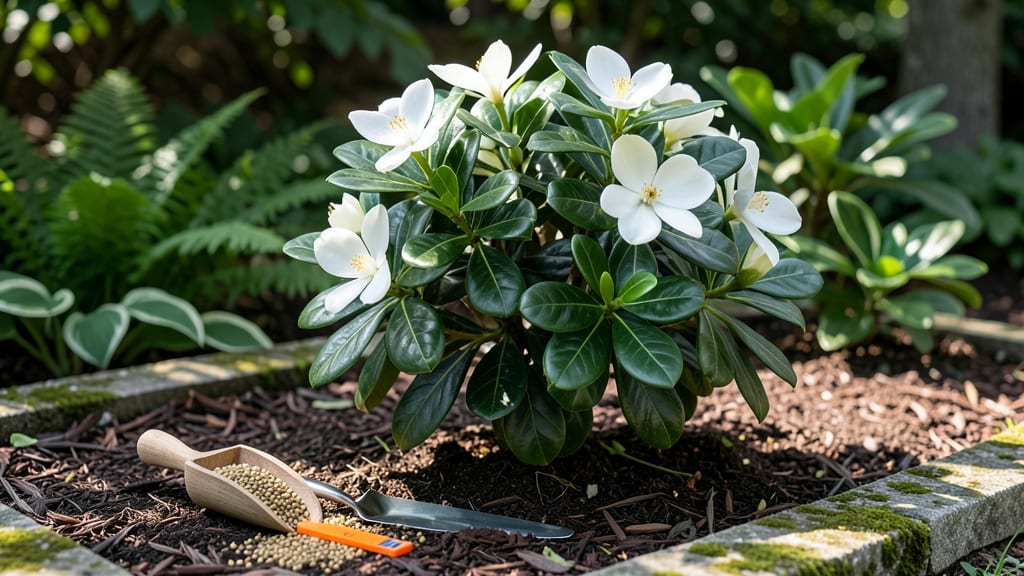
Fertilising gardenias at the right time is the difference between show-stopping blooms and a shrub that barely puts out a few flowers 🌸 — and the key moments are easier than you think.
Struggling to keep your gardenias blooming year after year? Timing your fertilisation is the secret weapon most gardeners overlook—get it wrong, and you’ll end up with sparse flowers or stressed plants.
In USDA Zone 6, the spring awakening (April–May) is your first chance to feed, but summer and fall have their own rules. A quick fertiliser in early spring kickstarts growth, while late summer should be a light touch to avoid tender new shoots before winter.
Here’s exactly when to fertilise—plus how to choose the right product and spot the signs your gardenia is begging for nutrients (or drowning in them).
Best times to fertilise gardenias for maximum blooms
If you've ever wondered why your gardenias produce fewer blooms than expected, the answer likely lies in your fertilisation timing. These fragrant shrubs thrive on precision—too early, and you risk burning roots; too late, and you miss the bloom-boosting window.
The secret to year-round blooms starts with understanding their seasonal needs and adjusting for your climate zone.
Gardenias are acid-loving plants that respond best to fertiliser when they're actively growing. This means spring awakening and early summer are your prime feeding windows. However, over-fertilising in late summer or fall can stress plants before winter dormancy, leading to weakened blooms the following season.
Let’s break down the science-backed schedule that’ll transform your gardenias into bloom machines.
🌱 Pro Tip: Always use an acid-based fertiliser (like Azalea/Camellia mix) with a low nitrogen ratio (e.g., 6-6-6 or 8-3-9) to encourage flowering over foliage. Avoid high-nitrogen formulas designed for leafy greens.
🌸 Seasonal Fertilisation Schedule for Gardenias
| Season | Timing | Frequency | Fertiliser Type | Climate Adjustments |
|---|---|---|---|---|
| Spring (March-April) | After last frost, when new growth appears | Every 6-8 weeks | Slow-release acidic (6-6-6) | Warmer zones (8+): Start in February |
| Early Summer (May-June) | After first bloom cycle | Every 8 weeks | Liquid acidic feed (8-3-9) | Cooler zones (6-7): Delay until May |
| Late Summer (July-August) | Light feeding only | Once, if needed | Half-strength feed | Avoid in Zone 6+ after July |
| Fall (September-October) | None (pre-winter prep) | N/A | Focus on mulching | Zone 8+: Light feed in September only |
| Winter (November-February) | Dormant period | None | N/A | Zone 10+: Light feed in December |
Spring is your golden window for fertilising gardenias because it aligns with their natural growth cycle. As temperatures rise and new leaves emerge, your plants are hungry for nutrients to support bloom buds.
I recommend applying a slow-release granular fertiliser in early spring (March in Zone 6, February in Zone 8+) and following up with a liquid feed every 6-8 weeks until mid-summer.
In summer, shift to light feeding—think of it as a maintenance dose rather than a growth boost. Over-fertilising now can lead to lush foliage but fewer flowers, as the plant focuses on leaves instead of blooms.
Use a half-strength liquid fertiliser in July if your gardenias are still blooming, but skip it entirely in August to prepare for winter.
Fall is all about preparing for dormancy. Avoid fertilising after mid-September in cooler climates (Zone 6-7), as new growth won’t harden off before frost. Instead, focus on mulching with pine bark or
How to choose the right fertiliser for gardenias (and when to use it)
Gardenias thrive with the right fertiliser type and timing, but choosing wrong can lead to yellow leaves or fewer blooms. These acid-loving plants need acidic, iron-rich nutrients to flourish. Let’s break down your options—from organic compost to synthetic blends—and when to apply each for peak performance.
Most gardeners make two critical mistakes: using high-phosphorus fertilisers (like lawn blends) or fertilising at the wrong time. Gardenias prefer a balanced NPK ratio (e.g., 6-6-6 or 8-3-9) with extra micronutrients like iron and magnesium.
Organic options like fish emulsion or cottonseed meal work well, but synthetic Azalea/Camellia fertilisers deliver faster results.
🌿
When to Fertilise Gardenias: Pros & Cons
✅ Do This
- 🌱 Early Spring (March-April): Kickstart growth with slow-release granules or liquid feed.
- 🌷 Post-Blooming (June-July): Light feed to replenish nutrients after flowering.
- 🍂 Fall Prep (October): Skip fertilising; focus on mulching instead.
❌ Avoid This
- ❄️ Winter: Fertilising stresses dormant plants; wait until spring.
- ☀️ Midday Heat: Apply fertiliser in morning/evening to prevent leaf burn.
- 🌱 Over-Fertilising: More isn’t better—stick to every 6-8 weeks in growing season.
For granular fertilisers, spread evenly around the root zone and water deeply to activate nutrients. Liquid fertilisers (like fish emulsion) are ideal for quick uptake—dilute and apply every 4-6 weeks during active growth. Slow-release options (e.g., Osmocote) reduce maintenance but may lack micronutrients, so supplement with chelated iron if leaves yellow between veins.
Diagnose deficiencies early: Yellow leaves signal iron deficiency, while brown leaf tips often mean over-fertilising. Test your soil’s pH (5.0–6.0) annually—gardenias hate alkaline conditions. If your soil is too high, amend with sulfur or peat moss before fertilising.
My go-to for gardenias? A spring dose of Azalea food followed by monthly liquid feed in summer. For organic gardeners, composted pine needles and worm castings work wonders long-term. Always follow label rates—gardenias are sensitive but reward precision with fragrant blooms all season.
🌸