
Fertilization
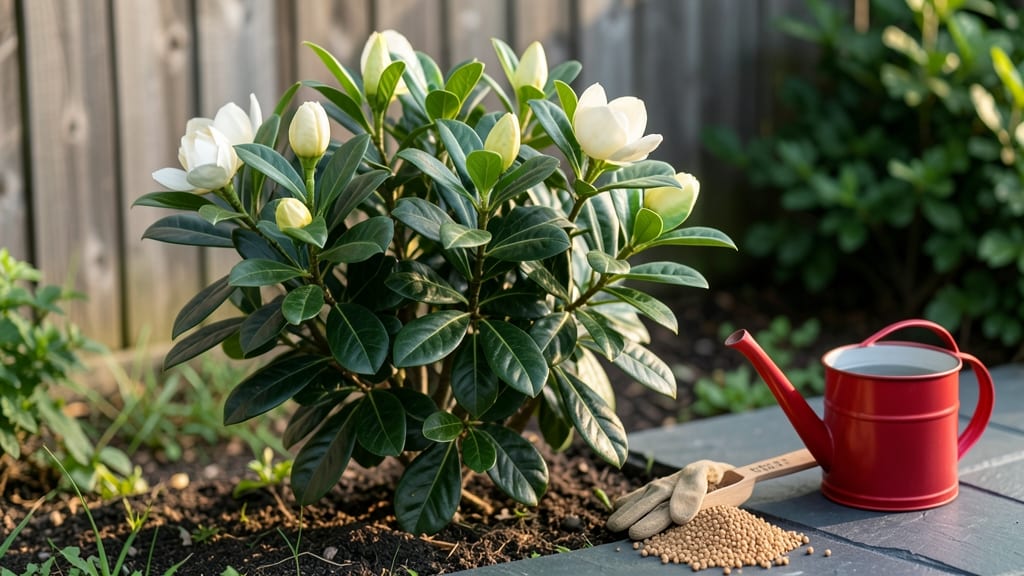
Fertilizing gardenias in Florida at the right times is the key to year-round blooms—and skipping the wrong windows can leave you with yellow leaves and no fragrance.
Florida’s humid climate and long growing season can turn gardenias into lush, fragrant bloomers—but only if you fertilize at the perfect times. Get the timing wrong, and you’ll end up with yellow leaves instead of show-stopping white flowers.
Most gardeners in zones 9a-11 focus on spring feeding, but fall is just as critical for setting up next year’s blooms. The trick? Light feeding in summer to avoid stress and heavier doses in spring and fall when growth is most active.
In this guide, I’ll break down the exact months to fertilize, the best types of fertilizer for Florida’s acidic soils, and how to spot when your 🌸 gardenias are begging for nutrients—or drowning in too much.

Optimal fertilizing schedule for Florida gardenias: spring vs. fall timing explained
Florida’s humid subtropical climate creates the perfect environment for gardenias—but only if you align fertilization with their natural growth cycles. Unlike cooler climates, gardenias in Florida thrive with two key feeding windows: spring and fall.
Timing matters because Florida’s heat and humidity can stress plants when fertilized incorrectly, leading to burned leaves or reduced blooms.
Most gardeners make the mistake of fertilizing during summer’s peak heat, which can shock the roots and cause nutrient lockout. Instead, focus on spring awakening (March-May) and fall preparation (September-October). These windows align with Florida’s rainfall patterns and temperature shifts, ensuring your gardenias absorb nutrients efficiently without stress.
Here’s the science: Gardenias are evergreen shrubs that grow year-round in Florida, but they enter semi-dormancy during summer’s hottest months. This natural slowdown means they need less fertilizer when temperatures exceed 90°F. Feeding during dormancy forces growth, wasting nutrients and inviting pests.
Your USDA Zone (9a-11) affects timing slightly: North Florida’s cooler winters may extend spring feeding into early May, while South Florida’s milder winters shift fall feeding to late October. Central Florida sits in the middle, with a June-August break from heavy fertilization.
| Season | Best Fertilizing Window | Frequency | Key Actions | Florida-Specific Notes |
|---|---|---|---|---|
| Spring | March-May | Every 4 weeks | Apply acidic fertilizer (6-6-6 NPK) when buds form | North FL: Start in late February; South FL: Begin in March |
| Summer | June-August | Light feed only | Use half-strength liquid fertilizer every 6-8 weeks | Avoid fertilizing during heatwaves (above 95°F) |
| Fall | September-October | Every 4 weeks | Switch to low-nitrogen fertilizer (8-3-9 NPK) | Central FL: Stop by November; North FL: Extend to December |
| Winter | December-February | None | Skip fertilization; focus on pruning and mulching | South FL: Light feed in January if blooming |
For North Florida gardeners (Zones 8b-9a), aim to complete your spring feeding by early May to avoid summer stress. Start fall fertilization in late September to give roots time to strengthen before winter’s mild chill.
In Central Florida (Zone 9b), extend spring feeding to mid-May and begin fall prep in early September.
South Florida’s (Zone 10+) longer growing season means you can stretch spring feeding into June, but always pause by July 4th to prevent heat damage.
The key is watching your gardenia’s growth signals: if new leaves appear purple-tinged, you’re over-fertilizing with nitrogen. Adjust to a balanced 6-6-6 formula immediately.
Pro tip: Florida’s sandy soils drain nutrients quickly, so always water after fertilizing to move nutrients into the root zone. Use 2-3 gallons per plant to prevent salt buildup from fertilizers. For potted gardenias, flush the soil with water once monthly to remove excess salts.
Remember, gardenias bloom on old wood, so avoid heavy feeding after June 1st—this forces new growth that won’t flower until next year. Instead, focus on root health during summer with mycorrhizal fungi or compost tea to boost natural nutrient uptake.
By following this seasonal schedule, your gardenias will reward you with glossy leaves and fragrant blooms year-round—without the stress of yellowing foliage or sparse flowers. Start with spring’s nutrient boost, then let summer’s heat reset their growth cycle naturally.
Signs your gardenia needs fertilizer (and when to adjust your routine)
Your gardenias might be whispering for help—literally. If those white blooms are sparse or your plant’s leaves turn yellowish-green, it’s time to listen. Florida’s humid climate and sandy soils drain nutrients quickly, so your gardenia’s signals often mean it’s hungry for micronutrients like iron or nitrogen.
Don’t wait for brown leaf edges or stunted growth to act. Adjusting your fertilizing routine based on seasonal cues (like bud formation in spring) can revive your plant before problems worsen.
For example, if blooms appear but fall off prematurely, it’s a classic sign of phosphorus deficiency—fixable with a balanced fertilizer.
⚖️ When to Fertilize Gardenias in Florida
- Feed in spring (March-April) when buds form
- Use acidic fertilizer (pH 5.0-6.5) every 4-6 weeks
- Light feed in summer to avoid salt burn
- Test soil before fertilizing (Florida’s sandy soil lacks nutrients)
- Over-fertilize in winter (plant is semi-dormant)
- Skip watering after feeding (burns roots in Florida heat)
- Use alkaline fertilizers (raises pH, harms gardenias)
- Fertilize after pruning (wait 4-6 weeks for new growth)
Start by checking your gardenia’s foliage color. Bright green leaves with glossy textures mean it’s thriving, but dull yellow or purplish stems signal nutrient deficiencies.
In Florida’s rainy season (June-September), heavy rainfall washes away nutrients faster—so reduce feeding to every 6-8 weeks unless you see new growth slowdowns.
Adjust your routine by soil testing every 6 months. Florida’s sandy soils often test low in organic matter, so amend with peat moss or compost before fertilizing. For example, if your gardenia’s blooms are small but leaves look healthy, it needs phosphorus-rich fertilizer (like 10-10-10) to boost flowering.
Over-fertilizing is just as harmful as under-fertilizing. Crispy leaf edges or white crusts on soil mean you’ve overdone it. Flush the soil with water immediately and skip feeding for 2 months.
In South Florida’s heat, even light feeding should be done in early morning to prevent root burn.
Pro tip: Pair fertilizing with deep watering (1-2 gallons per plant) to help nutrients reach roots. If your gardenia’s growth stops mid-summer, it’s likely stressed from heat—switch to a slow-release fertilizer to avoid shocking the plant.
With the right adjustments, your gardenia will reward you with fragrant blooms year-round.