Planting
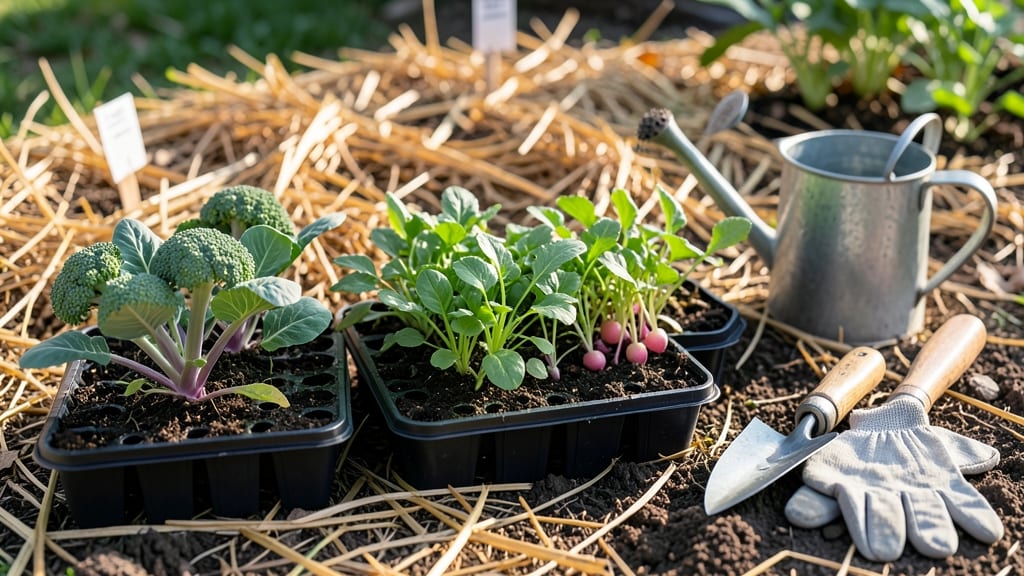
You should plant a fall garden in Texas between mid-August and early October, depending on your region’s first frost date and the crops you’re growing.
Texas gardeners know timing is everything—plant too early, and your fall crops bolt in the heat; too late, and frost ruins your harvest. But with the right schedule, you can enjoy crisp greens, hearty squash, and fresh herbs long after summer fades.
North Texas gardeners have just 30 days between the last safe planting window and the first frost, while South Texas gets an extra month or two. The key is matching your planting dates to each crop’s frost tolerance and heat requirements.
In this guide, I’ll break down the exact planting windows by region, the best crops for your Texas fall garden, and how to protect your harvest from early frosts—so you can keep growing well into winter.
Texas fall planting calendar by region: first frost dates & key deadlines
Timing your Texas fall garden correctly means the difference between a bountiful harvest and wasted effort. The Lone Star State spans three distinct climate zones, each with unique first frost dates and planting windows.
North Texas faces earlier freezes, while South Texas enjoys extended growing seasons. Understanding these regional deadlines helps you choose between direct seeding and transplanting for optimal results.
For North Texas (USDA Zones 7a-8a), the average first frost date arrives between November 15-30, leaving only 60-90 days for cool-season crops. Central Texas (Zones 8a-8b) typically sees frost December 1-15, while South Texas (Zones 9a-9b) can push harvests until January 15 or later.
These variations mean your planting schedule must adapt to avoid heat stress or frost damage.
Here’s your region-specific planting guide, including last call dates for seeds and transplants, plus crop-specific timelines for cool-season vegetables and warm-season holdovers.
🌱
| Region | Avg. First Frost | Last Direct Seed Date | Last Transplant Date | Cool-Season Crops | Warm-Season Holdovers |
|---|---|---|---|---|---|
| North Texas (Zones 7a-8a) | Nov 15-30 | Sep 15-Oct 1 | Oct 15-Nov 1 | Broccoli, Kale, Spinach, Radishes | Okra, Sweet Potatoes, Peppers |
| Central Texas (Zones 8a-8b) | Dec 1-15 | Sep 30-Oct 15 | Oct 30-Nov 15 | Cabbage, Carrots, Lettuce, Collards | Tomatoes, Eggplant, Green Beans |
| South Texas (Zones 9a-9b) | Jan 15-Feb 1 | Oct 15-Nov 1 | Nov 15-Dec 15 | Mustard Greens, Turnips, Swiss Chard | Peppers, Basil, Cucumbers |
In North Texas, prioritize fast-maturing crops like radishes (30 days) and spinach (40 days) when planting after September 15. Transplants like broccoli and kale can handle cooler temps and should go in by October 15.
If you miss these deadlines, opt for winter-hardy greens like collards, which tolerate light frosts.
Central Texas gardeners have a slightly longer window but must act by October 15 for direct seeding. Lettuce and carrots thrive when sown early, while cabbage benefits from transplanting by November 1. Save warm-season favorites like tomatoes and peppers for late summer, as they won’t survive frost.
South Texas’s mild winters allow for extended planting until November 1 for seeds and December 15 for transplants. Focus on heat-toler
Best fall crops for Texas gardens: what to plant for maximum yield
When fall temperatures drop in Texas, your garden doesn't have to fade away. The right cold-hardy crops thrive in cooler weather, delivering harvests when summer heat subsides. My top picks balance fast growth and frost tolerance, ensuring bountiful yields before winter sets in.
Texas' diverse regions—from North Texas' chilly nights to South Texas' mild winters—create unique opportunities. I focus on varieties that handle 30-40°F nights while avoiding hard freezes that can devastate tender plants. Let's dive into the 10 best fall crops for your Texas garden.
🌱 Critical Fall Planting Timeline for Texas
- Early August: Start fast-maturing crops like radishes and turnips indoors or under shade cloth. Soil temps should be below 85°F for seed germination.
- Mid-August: Transplant broccoli and cabbage seedlings. Direct-sow spinach and kale in cooler microclimates like North Texas or elevated beds.
- Late August: Last chance for warm-season holdovers like green beans and cucumbers. Shift focus to cool-season staples such as collard greens and carrots.
- September: Peak planting month! Sow onion sets, garlic, and lettuce. Succession plant radishes every 2 weeks for continuous harvests.
- October: Harden off transplants like cauliflower and brussels sprouts. Add mulch (2-3 inches) to protect roots from temperature swings.
- November: Final sowing for fast growers (radishes, arugula). Cover tender crops with frost blankets when night temps dip below 35°F.
For soil preparation, I always amend beds with compost and aged manure 2-3 weeks before planting. pH levels between 6.0-7.0 work best for most cool-season crops. Add a balanced fertilizer (10-10-10) at planting time for a nutrient boost.
My top 3 fast producers for Texas fall gardens are radishes (ready in 25 days), bush beans (45 days), and turnip greens (30 days). These deliver quick rewards while you wait for slower growers like broccoli (60-75 days) to mature.
Don't overlook herbs like cilantro and parsley, which thrive in cool weather. They add flavor to fall harvests and repel pests like aphids. For maximum yield, I interplant herbs with leafy greens to optimize space.
Pro tip: Use drip irrigation to keep soil consistently moist without overwatering. Morning watering prevents fungal diseases that thrive in evening dampness. With these strategies, your Texas fall garden will flourish until first frost—or beyond! 🌿