Planting
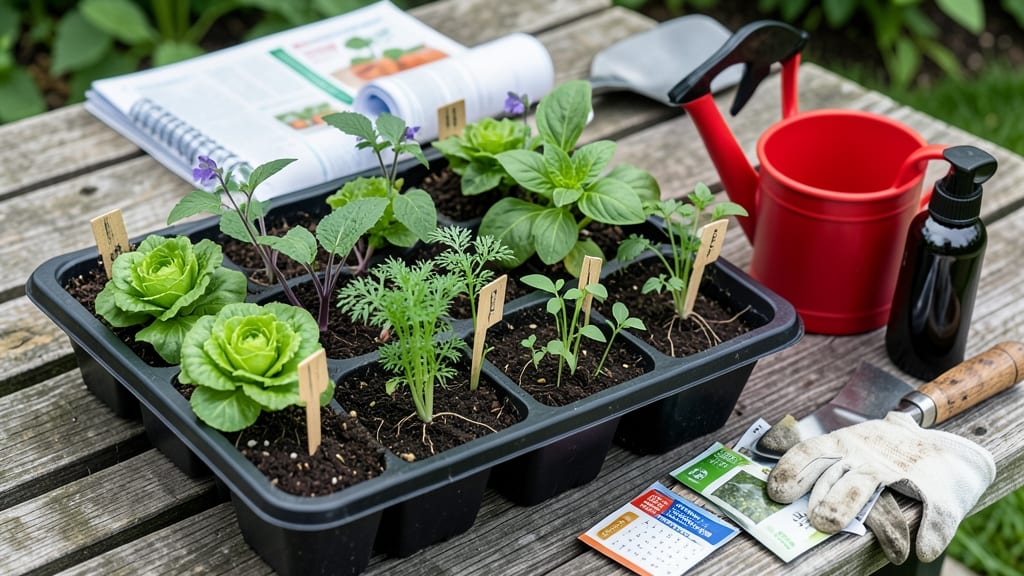
To plant seeds in your garden at the perfect time means faster sprouts and stronger starts — and skipping that window can leave you with weak seedlings or wasted effort.
You’ve probably heard the rule of thumb: "plant after the last frost." But frost dates alone don’t tell the whole story. Soil temperature is the real game-changer, and ignoring it can mean the difference between a thriving harvest and a failed attempt.
In USDA Zone 6a, where many gardeners face short growing seasons, timing is everything. Cool-season crops like lettuce and peas need soil to warm to 40–50°F, while warm-season plants like tomatoes and peppers won’t sprout until the soil hits 60–70°F.
Getting it right means fewer replants and more time enjoying your garden’s rewards.
Below, I’ll break down the exact soil temperatures for your favorite crops, how to test your garden’s readiness, and the three biggest mistakes that trip up even experienced gardeners. Let’s make this your fastest, most reliable planting season yet.
Soil temperature guidelines for planting seeds by season
Getting your seed planting timing right depends on more than just the calendar—soil temperature is the real game-changer. Cool-season crops like lettuce and spinach thrive when soil is between 40°F and 50°F, while warm-season favorites such as tomatoes and peppers need 60°F to 85°F to germinate properly.
Ignoring these ranges can lead to slow germination or even seed rot, so let’s break it down by season and plant type.
Your USDA hardiness zone plays a huge role in adjusting these guidelines. For example, gardeners in Zone 5 might plant cool-season crops in early April, while those in Zone 9 can start as early as February.
Always check your last frost date and plan accordingly—planting too early in cold soil can stunt growth or invite pests. Let’s dive into the specifics for each season and crop type.
For cool-season crops, aim to plant when soil temperatures hover around 45°F—this ensures steady germination without risking frost damage.
In my Zone 6 garden, I’ve found that sowing broccoli and kale in early April (when soil hits 48°F) gives me a head start before summer heat sets in.
If you’re in a warmer zone like Zone 9, you might start as early as February, but keep an eye on first frost dates to avoid surprises.
Warm-season plants, on the other hand, demand patience. Tomatoes and peppers won’t germinate until soil reaches 60°F, and even then, they need consistent warmth to thrive. I’ve learned the hard way that planting tomato seeds too early—even with row covers—can lead to leggy, weak seedlings.
Wait until your soil thermometer reads 65°F or higher before committing. In cooler climates, consider starting these indoors or using black plastic mulch to warm the soil faster.
Herbs add another layer of complexity. Basil, for example, bolts (goes to seed) if soil temperatures exceed 75°F, while cilantro thrives in cooler conditions. I plant basil in late spring (May) and again in early fall (September) to avoid the summer heat.
For cilantro, I stick to early spring or late summer plantings when soil temps are between 50°F and 65°F. This balance keeps my herb garden productive year-round.
Regional adjustments are key. If you’re in the Pacific Northwest, where summers are mild, you might extend your warm-season planting into early July. Conversely, in the Deep South (Zone 10+), you can plant warm-season crops as early as February and even over winter with minimal protection.
Always check local frost-free dates and adjust your schedule accordingly—it’s the best way to avoid seedling loss or stunted growth.
Pro tip: Use a soil thermometer to monitor temperatures, especially in unpredictable springs or falls. I keep one buried in my garden bed and check it daily until I’m confident the soil is at the right temperature for my current crop.
If you’re unsure, err on the side of waiting—slow germination is better than no germination at all. With the right timing, you
How to test soil temperature and adjust planting timing
Getting your seed planting timing right depends on more than just calendar dates—soil temperature is the real game-changer. Cold soil can stall germination, while warm soil speeds up growth. For example, cool-season crops like lettuce thrive at 40-50°F, while warm-season crops such as tomatoes need 60-70°F to sprout reliably.
Without testing, you might plant too early and risk frost damage or too late and miss the growing season entirely.
Most gardeners rely on frost dates from almanacs, but soil warms slower than air. A soil thermometer (just $10-$15) gives you precise data to time your plantings perfectly.
If you don’t have one, a DIY method using a candy thermometer or even a digital meat thermometer works in a pinch—just insert it 2-3 inches deep where you’ll plant.
Here’s how to test and adjust your planting schedule step by step:
For example, if your tomato seeds need 70°F soil but your readings are only 60°F, wait another week or use black plastic mulch to warm the soil faster.
Conversely, if your spinach can handle 45°F and your soil is already there, plant now—you’ll beat heat stress later in the season.
Pro tip: Warm-season crops like peppers and cucumbers often need soil to stay warm for 10+ days before planting. Check temps in the evening too—some areas cool dramatically at night. If you’re in doubt, start with fast-germinating seeds like radishes to test your soil’s readiness.
By mastering soil temperature checks, you’ll avoid the heartbreak of slow germination or frost-killed seedlings. Once you’ve nailed this step, you’ll be ready to tackle microclimate adjustments and extended-season planting like a pro. 🌱