
Blooming
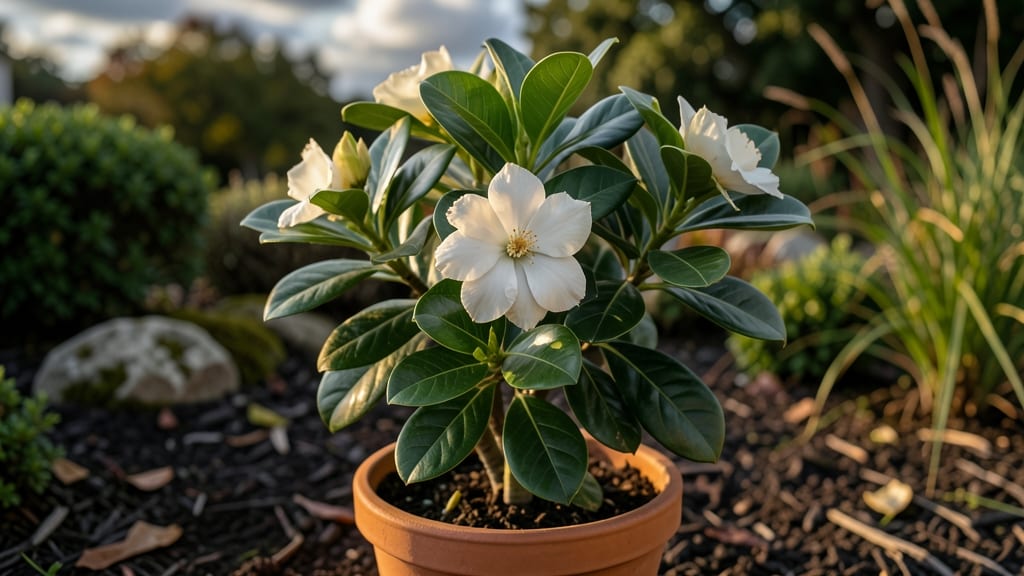
Gardenias flower in late spring to early summer 🌸, when the air hums with their signature sweet scent—but timing can shift wildly depending on where you live.
If you’ve ever wondered why your gardenia bushes sometimes bloom like clockwork—and other times disappoint with bare branches—timing is everything. These fragrant shrubs are finicky but reward patience with intoxicating blooms, and knowing their exact schedule can mean the difference between a lush, fragrant garden and a missed seasonal spectacle.
In cooler climates like Zone 6, gardenias typically burst into bloom around June, while warmer regions may see flowers as early as May or even stretch into September.
The key? A balance of sunlight, soil acidity, and consistent care—all of which we’ll break down to help you time your gardenia’s show perfectly.
Below, you’ll discover how to read your gardenia’s signals, adjust care for earlier or later blooms, and even extend the season so you’re smelling those creamy-white flowers for months. Let’s get started.
Gardenia flowering seasons by US hardiness zones: a month-by-month guide
Gardenias are famous for their creamy white, intoxicatingly fragrant blooms, but their flowering schedule varies dramatically depending on your USDA hardiness zone and local climate. In warmer zones (9-11), you might enjoy year-round blooms, while gardeners in cooler zones (7-8) typically see a concentrated spring-to-summer show.
Understanding these patterns helps you plan for the best fragrance-filled seasons in your garden.
For example, gardenias in Zone 11 (tropical climates) can flower year-round with proper care, while those in Zone 7 (northern limits) may only bloom for 6-8 weeks in late spring.
The key difference? Winter chilling requirements and summer heat tolerance play huge roles. Let’s break down what to expect month-by-month for each zone.
| USDA Zone | Peak Blooming Months | Secondary Blooms | Climate Notes | Care Adjustments |
|---|---|---|---|---|
| Zone 7 (Northern Limit) | May - June | Late July (if warm) | Cold winters; needs winter protection | Prune after frost; mulch heavily |
| Zone 8 | April - June | August - September | Mild winters; longer bloom season | Light pruning; acid fertilizer in spring |
| Zone 9 | March - May + October | July (if well-watered) | Hot summers; needs afternoon shade | Increase watering; shade cloth in summer |
| Zone 10 | February - April + September | June - August (light) | Year-round growth; minimal dormancy | Fertilize monthly; watch for pests |
| Zone 11 (Tropical) | Year-Round (Peaks: Spring/Fall) | None (continuous) | No winter dormancy; high humidity | Regular pruning; high humidity care |
In Zone 7, gardenias typically bloom from late May through June, with a possible second flush in late summer if temperatures stay mild. This is because gardenias need a period of cool winter dormancy to trigger spring blooms.
If you live in Atlanta, GA (Zone 7b), expect your gardenias to wake up in mid-April with buds forming by late April, followed by full blooms in May and June.
Moving south to Zone 8 (e.g., Orlando, FL), the flowering season stretches longer—from April through June—with a secondary bloom in late summer (August-September). The warmer climate allows for two distinct bloom cycles, provided you maintain consistent moisture and acid soil.
In Zone 9 (Houston, TX), gardenias can even bloom in March and October, with lighter showers in summer months.
For gardeners in Zones 10-11 (e.g., Miami, FL or Hawaii), gardenias are tropical plants with minimal dormancy. This means they can produce blooms year-round, though they often peak in spring and fall when days are cooler.
In these zones, the main challenge isn’t timing but rather preventing heat stress and fungal diseases during the hotter summer months.
One common misconception is that all gardenias bloom at the same time. In reality, cold-hardy varieties (like 'Kleim’s Hardy Gardenia') bloom later in the season compared to tropical varieties (like 'Radicans'), which may start as early as February in Zone 10.
If you’re in Zone 7 and want to extend your blooming season, consider planting a potted gardenia near a south-facing wall to capture extra warmth.
Climate plays a surprising role in bloom timing. For instance, unusually cold springs in Zone 8 can delay blooms by 2-3 weeks, while <
5 Key factors that determine your gardenia’s flowering timeline
Gardenias are famous for their intense fragrance and glossy dark green leaves, but their flowering schedule depends on more than just luck. As someone who’s nursed gardenias through missed blooms and overwhelming fragrance, I’ve learned that five key factors control when—and if—your gardenia will flower.
Understanding these can help you adjust care to get blooms exactly when you want them, whether that’s earlier spring or extended summer displays.
First, let’s address the biggest misconception: gardenias don’t bloom on a set calendar. Instead, their timeline shifts based on environmental cues and your care routine. For example, a gardenia in Zone 9 might flower in late winter, while one in Zone 7 waits until mid-spring.
The difference? It all comes down to how you manage these five factors.
🌱 Key Factors for Gardenia Blooming
- 1. Sunlight Exposure: 4-6 hours of morning sun + afternoon shade triggers blooming hormones. Too much direct afternoon sun can scorch buds.
- 2. Soil pH: Acidic soil (5.0-6.0) is non-negotiable. Test your soil—if it’s alkaline, blooms will fail to form.
- 3. Watering Habits: Deep watering every 3-5 days (daily in summer) prevents bud drop. Avoid wet foliage at night.
- 4. Pruning Cycles: Prune after blooming to encourage new wood, which holds next year’s buds. Never prune in fall or winter.
- 5. Winter Chilling: Most gardenias need 4-8 weeks of 50-60°F temps to reset their blooming cycle. Skip this, and you’ll get no flowers.
Let’s start with sunlight, the most overlooked factor. Gardenias thrive with bright indirect light, like an east-facing window or dappled shade under trees. I once had a gardenia that refused to bloom until I moved it from full afternoon sun to a spot with morning light only.
The difference was night and day—literally! Too much direct sun stresses the plant, causing buds to abort before opening.
Next, soil pH is where most gardeners trip up. Gardenias are acid-loving plants, and if your soil pH creeps above 6.5, your plant will stop producing flowers entirely. I’ve seen gardenias in alkaline soil grow leaves but zero blooms.
The fix? Amend your soil with peat moss or sulfur, and retest every 6 months. A pH meter is your best friend here.
Watering might seem simple, but consistency is key. Gardenias hate dry spells and waterlogged roots equally. I water mine with 1-2 gallons every 3-5 days, always in the morning to let foliage dry before evening.
One summer, I overwatered and noticed buds dropping like flies. The fix? Let the top 2 inches of soil dry between waterings and improve drainage.
Pruning is another game-changer for timing. If you prune at the wrong time, you’ll remove next year’s buds before they form. Always prune right after flowering to encourage new growth, which will hold next year’s blooms.
I prune mine in late summer, removing dead or crossing branches while leaving healthy stems intact. This simple step can shift blooming by weeks.
Finally, winter chilling is the secret sauce for reliable blooming. Most gardenias need cool weather to reset their cycle. If you live in a warm climate (like Zone 10+), your gardenia might bloom year-round but with fewer flowers.
To encourage heavier blooms, mimic winter by moving potted gardenias to a cooler spot (like a garage) for 4-6 weeks in fall. This trick worked wonders for a client in Southern California who wanted spring blooms.