
Blooming
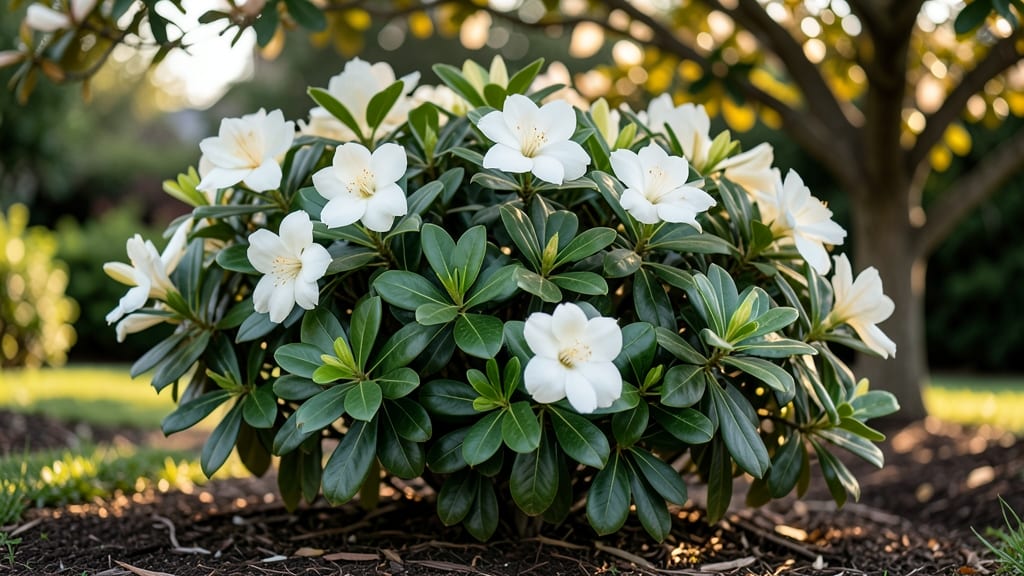
Gardenia bushes bloom in late spring to early summer 🌸, but the exact timing depends on your variety and climate zone—think May through July for most temperate regions.
Picture this: the intoxicating scent of gardenias wafting through your garden, turning every walk into a fragrant escape. But if you’ve ever waited impatiently for those creamy white blooms to appear—only to be met with silence—you’re not alone.
The secret lies in understanding your gardenia’s needs and your local growing conditions.
In warmer climates like USDA Zone 9b, gardenias often bloom year-round, while cooler zones see a spring-to-summer show. Sunlight, pruning, and even soil pH play a role in coaxing those fragrant blooms to life.
Below, I’ll break down the factors that influence bloom timing and share tips to encourage your gardenia to put on its best floral display.
Ready to transform your garden into a fragrant paradise? Let’s dive into the timeline, triggers, and troubleshooting for gardenia blooms—so you can enjoy their sweet scent for months to come.
Gardenia bloom seasons by variety: southern vs. northern cultivars
The Gardenia jasminoides, also called cape jasmine, is one of the most beloved fragrant shrubs—but its bloom timing varies wildly depending on your USDA zone and specific cultivar.
In southern climates (zones 9-11), gardenias often bloom year-round with peak seasons in spring and summer, while northern varieties (zones 7-8) typically bloom from late spring to early fall. Understanding these differences helps you choose the right variety for your garden's climate and fragrance timeline.
For tropical gardenias like Gardenia augusta, blooms can appear anytime in warm zones, with continuous flowering possible if conditions are ideal. In contrast, hardier northern cultivars like 'Kleim's Hardy' or 'Radicans' often wait until late spring to burst into bloom, ensuring they avoid frost damage.
This distinction is crucial for gardeners in transition zones (8-9) where timing can make or break a successful bloom season.
Here’s how to match your gardenia variety to your climate for optimal bloom timing:
| Variety | USDA Zones | Bloom Season | Climate Notes | Best For |
|---|---|---|---|---|
| Gardenia jasminoides 'Kleim's Hardy' | 7-9 | Late May - August | Tolerates light frost; blooms after last frost | Northern gardens, containers |
| Gardenia jasminoides 'Radicans' | 8-10 | June - September | Thrives in humid climates; extended blooming | Southeastern US, coastal areas |
| Gardenia augusta | 10-11 | Year-round (peaks spring-fall) | Tropical; no dormancy in warm zones | Florida, California, greenhouses |
| Gardenia jasminoides 'Veitchii' | 9-11 | March - November | Large double blooms; needs high humidity | Southern gardens, conservatories |
| Gardenia jasminoides 'Fortuniana' | 8-10 | April - July | Early bloomer; sensitive to cold | Transition zones, microclimates |
The 'Kleim's Hardy' gardenia is a standout for northern gardeners in zones 7-9, as it blooms later in the season (late May to August) to avoid frost damage.
This variety is also more drought-tolerant than tropical types, making it ideal for containers or small gardens where watering consistency can be challenging. If you’re in zone 8 or higher, consider pairing it with 'Radicans' for a prolonged bloom season from June through September.
For southern climates (zones 9-11), Gardenia augusta and 'Veitchii' are top choices for year-round fragrance, though they peak in spring and fall. These varieties thrive in humid, coastal areas where temperatures rarely drop below 50°F (10°C).
If you live in zone 9 or 10, you can even enjoy two bloom cycles annually—one in spring and another in fall—if you provide consistent moisture and partial shade.
One critical factor for all gardenias is light exposure. While they love bright, indirect light, afternoon sun can scorch leaves in hot climates. In northern zones (7-8), place your gardenia in a south-facing spot to maximize winter sunlight, which helps trigger spring blooms.
Conversely, in southern zones (9-11), morning sun and afternoon shade are ideal to prevent leaf burn while maintaining continuous blooming.
If you’re in a transition zone (8-9), where winters are mild but summers can be brutal, opt for 'Fortuniana' or 'Radicans'.
These varieties bloom earlier (April-July) to take advantage of cooler spring temperatures and avoid the heat stress of peak summer. Mulching with organic matter (like pine bark) can also help regulate soil temperature, encouraging bud formation even in unpredictable climates.
How climate zones affect gardenia flowering: a month-by-month guide
Understanding your climate zone is the key to predicting when your gardenia bushes will bloom. In USDA Zone 9b and warmer, gardenias often flower from late spring to early fall, while cooler zones like Zone 8a may see blooms delayed until summer.
Microclimates—like coastal areas with milder winters—can shift these timelines even further.
For gardeners in Zones 10-11, blooms may start as early as February, while those in Zone 7 might not see flowers until June or July. Heat waves or unexpected frosts can also disrupt flowering cycles, making local weather patterns just as important as your zone.
If you live in a cooler climate, you can trick your gardenia into blooming earlier by providing warmth and humidity during dormancy. Start by pruning lightly in late winter (around February 1) to encourage new growth.
Then, place potted plants near a south-facing window or under a grow light to simulate longer daylight hours.
In hotter zones, gardenias may struggle with heat stress after July, causing blooms to drop prematurely. To combat this, mulch heavily around the base and water deeply in the morning to keep roots cool.
A light shade cloth (30-50%) can also protect leaves from scorching during peak afternoon sun.
For coastal gardeners, take advantage of milder winters by planting gardenias in well-draining soil near a protected microclimate, like a sheltered patio or elevated bed. These areas can extend the blooming season by 4-6 weeks compared to inland locations.
Always monitor your gardenia’s leaf color and bud formation—healthy dark green leaves and firm buds indicate it’s ready to bloom. If buds form but fail to open, it may need more sunlight or acidic fertilizer to encourage flowering.