
Blooming
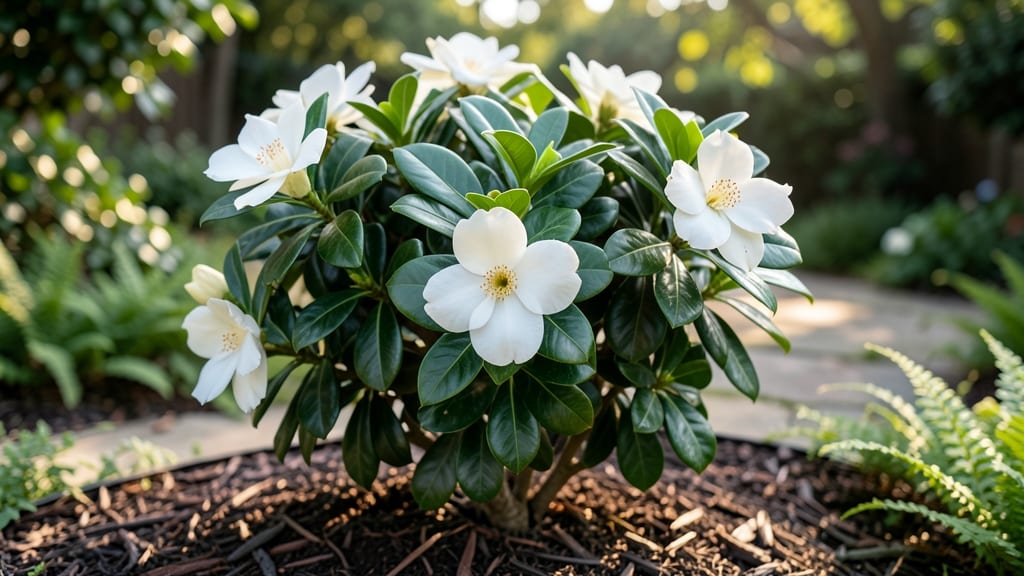
Gardenias bloom in Texas when temperatures rise and humidity climbs, typically between March and October — but the exact timing depends on whether you're in North, Central, or South Texas.
If you love the intoxicating scent of gardenias but live in Texas, timing your planting just right could mean year-round blooms — despite the state’s brutal summers and unpredictable winters. Here’s exactly when to expect those fragrant white flowers and how to extend their season.
Most gardenias 🌸 in Texas kick off their blooming cycle in early spring, with peak fragrance lasting through summer and tapering off as fall sets in.
Coastal areas like Houston and Corpus Christi often see longer bloom seasons thanks to milder winters, while North Texas gardenias may take a short break during heatwaves or early frosts.
Below, I’ll break down the heat-triggered timeline for your region, share pruning secrets to coax extra blooms, and address the biggest misconception: no, they don’t bloom year-round without some help from you.
Texas gardenia bloom seasons: heat vs. humidity timing explained
Gardenias in Texas thrive on a delicate balance between heat and humidity, but their bloom timing varies dramatically across the state's three distinct regions.
In North Texas, cooler winters and hotter summers create a spring bloom window from February to April, while South Texas gardenias often bloom later in the year, from September to November, thanks to the region's extended growing season.
Central Texas falls somewhere in between, with blooms typically appearing from March to May and again in fall.
The key difference lies in how gardenias respond to temperature triggers. In North Texas, blooms are often triggered by the first warm spells after winter, while in South Texas, the humidity spikes in late summer act as the primary catalyst.
Understanding these regional patterns helps you anticipate when to expect those iconic white blooms and how to adjust care for optimal flowering.
In North Texas, gardenias often experience a single primary bloom season because the summer heat becomes too intense for prolonged flowering. The 50-65% humidity range in this region supports blooming but isn't sufficient for extended seasons.
Meanwhile, Central Texas offers the best of both worlds with two bloom periods—spring and fall—thanks to its moderate climate and 60-75% humidity that triggers blooms during transitional seasons.
For South Texas gardeners, the story is different. The 70-85% humidity combined with consistent warmth creates ideal conditions for year-round blooming potential. Many gardeners in this region report continuous blooms from late summer through winter, with only brief pauses during extreme heat.
This makes South Texas the most forgiving region for gardenia enthusiasts seeking extended fragrance seasons.
The humidity trigger is particularly important in Texas. Gardenias are native to tropical and subtropical regions where high humidity (above 60%) is common.
In North Texas, where humidity often drops below this threshold in summer, you'll need to mimic these conditions with regular misting or grouped plantings to maintain blooms. In contrast, South Texas gardenias often thrive with minimal intervention because the natural environment already provides their preferred humidity levels.
Another critical factor is the temperature range that triggers blooming. Gardenias typically need consistent temperatures between 65°F and 85°F to set flower buds. In North Texas, this window opens in late winter and closes by early summer, explaining the February-April bloom window.
In South Texas, the ideal temperature range persists longer, allowing for extended blooming through fall and even into winter.
If you're in Central Texas, you might notice two distinct bloom periods: one in spring when temperatures rise and another in fall as humidity increases. This bimodal blooming pattern is common in transitional climates where neither extreme heat nor cold dominates.
To encourage fall blooms, focus on consistent watering and light feeding in late summer to prepare the plant for its second flowering cycle.
One common misconception is that gardenias bloom year-round in Texas. While South Texas comes closest to this ideal, even
How to force gardenias to bloom year-round in Texas heat
Texas summers can be brutal, but with the right techniques, your gardenias can reward you with year-round blooms. The key lies in understanding how these tropical beauties respond to heat stress and adjusting their care accordingly.
Unlike tropical climates, Texas offers unpredictable winters and intense summers, so we’ll focus on strategies to keep your gardenias thriving through both extremes.
Gardenias naturally bloom in spring and fall, but with strategic pruning, soil adjustments, and watering schedules, you can encourage continuous flowering. The secret? Mimicking their native tropical conditions while protecting them from Texas’s 100°F+ heat waves.
Let’s dive into the proven methods that have worked for Texas gardeners.
🌸 5 Proven Hacks to Extend Gardenia Blooms in Texas
- 1. Prune Strategically – Cut back 1/3 of old blooms right after flowering to encourage new growth. Use sterilized shears and prune in early spring (March) to avoid winter stress.
- 2. Acidify the Soil – Gardenias thrive in acidic soil (pH 5.0-6.5). Mix in peat moss or sulfur to maintain optimal pH. Test soil every 6 months in Texas’s alkaline soil.
- 3. Water Deeply in Mornings – 1-2 gallons per shrub before 10 AM prevents fungal issues. Mulch with 3 inches of pine bark to retain moisture and cool roots.
- 4. Provide Afternoon Shade – Use lightweight shade cloth (30-50%) or plant near east-facing structures to block 2 PM–6 PM sun, the hottest hours.
- 5. Fertilize with Acid-Loving Formula – Use 8-3-9 NPK fertilizer every 6-8 weeks during growing season (March–October). Avoid high nitrogen in summer to prevent leafy growth over blooms.
One common mistake Texas gardeners make is overwatering during summer downpours while neglecting consistent moisture in dry spells. Gardenias hate soggy roots but also drought stress. A drip irrigation system set to run for 20 minutes daily keeps soil evenly moist without wasting water.
For potted gardenias, container size matters. Use pots at least 18 inches wide with drainage holes and repot every 2-3 years with fresh acidic potting mix. Move containers to shaded patios during July–August to protect roots from black plastic heat absorption.
If your gardenias stop blooming, check for nutrient deficiencies (yellow leaves = nitrogen, brown edges = potassium). A foliar spray of fish emulsion can give a quick boost during bloom slumps. With these adjustments, you’ll enjoy fragrant white blooms from spring through fall—and sometimes even winter!