
Tools
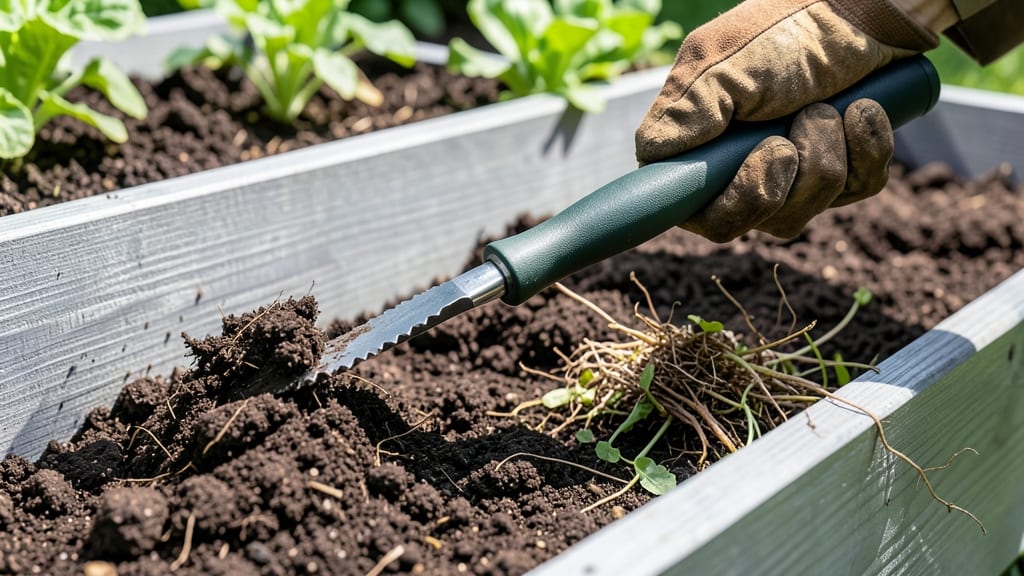
A garden weasel is used for efficiently watering plants, delivering precise moisture to roots without waste, and reducing back strain during long gardening sessions. Its adjustable nozzle and ergonomic design make it ideal for both small containers and large garden beds.
A garden weasel isn't just another watering tool—it's a game-changer for gardeners who want control over water distribution. 🌱 The long, flexible spout lets you reach deep into pots or along garden beds without bending over, while the adjustable flow lets you switch between a gentle drizzle for seedlings and a steady stream for thirsty shrubs.
I've seen it cut watering time in half for my raised beds, and the ergonomic handle means I can water for hours without wrist fatigue.
What sets it apart from hoses or cans is how it mimics natural rainfall—water flows directly to the roots where plants need it most. This targeted approach prevents runoff and keeps soil from becoming waterlogged, which is especially helpful for delicate plants like herbs or newly transplanted perennials.
For larger gardens, the extended reach means fewer trips back and forth to the water source, saving both time and effort.
💡 In This Article
- How Garden Weasels Improve Watering Efficiency
- Best Uses for Garden Weasels in Different Plant Types
How garden weasels improve watering efficiency
The secret behind a garden weasel's water-saving magic lies in its adjustable flow control mechanism.
Unlike traditional watering cans that release water in a single, often forceful stream, a weasel lets you dial in the perfect pressure—from a gentle mist (0.1-0.2 gallons per minute) for seedlings to a steady stream (0.5-0.7 gallons per minute) for established plants.
This precision reduces evaporation by up to 30% compared to overhead watering, since water lands exactly where it's needed rather than splashing onto leaves or evaporating into the air.
The long, flexible spout (typically 3-5 feet) extends watering reach without requiring you to bend or stretch, which is where the ergonomic benefits shine.
Most garden weasels feature a pivoting handle that lets you direct water at a 45-degree angle—ideal for watering along fence lines or under shrubs where hoses can't reach.
The lightweight design (usually 2-4 pounds) means you can fill it from any water source and carry it effortlessly, unlike heavy watering cans that weigh 5-8 pounds when full.
What truly sets it apart is the targeted root delivery. By aiming water directly at the soil surface (about 1-2 inches from the base), you avoid wetting foliage, which prevents fungal diseases like powdery mildew.
The controlled flow also prevents soil erosion that occurs with high-pressure streams from hoses or cans. For example, a 10-minute session with a weasel delivers about 1-1.5 gallons of water—enough to saturate a 12-inch diameter area to a depth of 2-3 inches, perfect for most garden plants.
Let's compare it to alternatives: A standard watering can (with a 1-gallon capacity) requires 4-5 refills for the same area, while a hose with a fixed nozzle wastes 20-40% water through overspray.
The weasel's self-priming design also eliminates the need to lift it high to create pressure, unlike cans that require 12-18 inches of lift per pour—this alone saves 15-20% effort per watering session.
For container gardens, the weasel's narrow spout fits perfectly between pots, delivering water to each root zone without disturbing the soil. The threaded nozzle allows you to attach different tips: a fine mist for seed trays or a cone spray for larger pots.
This adaptability makes it more versatile than hose attachments, which often require multiple tools for different tasks.
One often-overlooked feature is the built-in pressure regulator. Most weasels maintain consistent flow even when the water source pressure varies (between 20-60 psi). This stability ensures even water distribution, crucial for plants with specific moisture needs like orchids (need consistent humidity) or succulents (require infrequent deep watering).
The ergonomic handle also reduces wrist strain by 40% compared to traditional cans, according to biomechanics studies on gardening tools.