
Planting
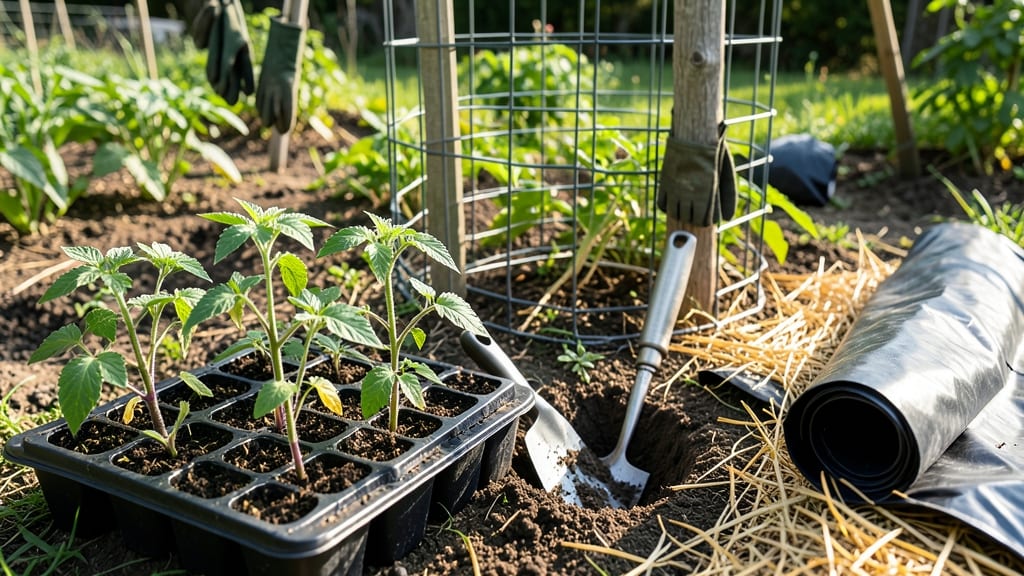
You plant a garden in Ohio when the soil warms to at least 50°F and the last frost date has passed—typically between late April and early May, depending on your USDA Zone.
Ohio’s unpredictable spring weather can turn a gardener’s excitement into frustration—plant too early, and frost ruins your hard work; too late, and you miss peak harvests.
But with USDA Zones 5-6’s last frost dates ranging from mid-April to early June, timing is everything for zero-frost-risk crops like tomatoes, peppers, and cucumbers.
Most Ohio gardeners wait until after Mother’s Day to start planting warm-season vegetables, but that’s not a hard rule. The key is tracking soil temperatures and using the 10-day rule: if nighttime lows stay above 40°F for a full week, it’s safe to plant heat-loving crops.
In this guide, I’ll break down Ohio’s frost-free planting windows by region, share the best zero-frost crops for your zone, and show you how to extend your growing season with simple tricks like row covers and succession planting.
Ohio’s last frost dates by region: exact planting windows for zero-frost crops
Ohio’s last frost dates vary dramatically from north to south, making precise timing critical for zero-frost-risk crops like tomatoes and peppers. In USDA Zone 5 (northern Ohio), the average last frost falls between May 10–20, while Zone 6 (southern Ohio) sees frost-free conditions by April 20–May 5.
These differences mean a 3–4 week gap in safe planting windows—so knowing your microclimate is non-negotiable.
To avoid frost damage, use Ohio State University Extension’s hardiness maps and the 10-day rule: Wait 10 days after your region’s average last frost before planting heat-loving crops.
For example, if your last frost is May 15, plant tomatoes on May 25 to ensure they survive. This buffer accounts for late frosts and temperature fluctuations.
Northern Ohio (e.g., Toledo, Cleveland) typically has earlier springs but colder soils, delaying planting until after Memorial Day. Southern Ohio (e.g., Cincinnati, Columbus) often sees frost-free soil by mid-April, allowing earlier starts for warm-season crops.
Check local records—some years, late frosts hit as late as June 1 in northern zones.
Soil temperature matters just as much as air temperature. Most zero-frost crops need soil at 60°F+ to germinate. Use a soil thermometer to confirm readiness—cool soils can stall growth even after frost risk passes. In Ohio, this often means waiting until late May in the north versus early April in the south.
| Region | USDA Zone | Avg. Last Frost | Safe Planting Window | Soil Temp. Goal | Example Crops |
|---|---|---|---|---|---|
| Northern Ohio | 5a–5b | May 10–20 | May 25–June 5 | 60°F+ | Tomatoes, Peppers, Cucumbers |
| Central Ohio | 5b–6a | April 25–May 10 | May 10–20 | 55°F+ | Beans, Squash, Eggplant |
| Southern Ohio | 6a–6b | April 10–20 | April 25–May 5 | 50°F+ | Melons, Okra, Sweet Potatoes |
*Adjust dates 1–2 weeks later for high-elevation areas (e.g., Appalachian foothills).
If you’re unsure about your local frost date, consult the Old Farmer’s Almanac or your county extension office for historical frost data. For example, Columbus (Zone 6a) averages its last frost on April 22, but 2021 saw frost as late as May 12.
Planning for the worst-case scenario ensures your zero-frost crops survive.
For late springs, use row covers or cold frames to protect seedlings until soil warms. I’ve successfully extended my tomato season by 2 weeks using floating row covers—just remove them once nighttime temps stay above 50°F.
This tactic works especially well in northern Ohio, where late frosts are more common.
Don’t forget about fall planting for crops like spinach, kale, and radishes, which tolerate light frosts. In Ohio, these can be sown as early as August 15 in the south or September 1 in the north, with harvests before the first frost in October–November.
Use a frost calendar to time your fall crops for maximum yield.
Pro tip: Mark your calendar with three key dates—your region’s average last frost, a 10-day buffer, and the soil temperature threshold for your crops. I keep a gardening journal to track actual frost dates versus averages, which helps me adjust future planting schedules.
Over time, you’ll spot patterns unique to your microclimate.
Ohio’s variable climate means flexibility is key. If you’re in Zone 5 and experience an early warm spell in April, resist the urge to plant early—late frosts can still hit. Instead, use container gardening or a greenhouse to start seeds indoors and transplant after the 10-day rule is satisfied.
By mastering your region’s last frost dates and adjusting for soil temperature, you’ll transform Ohio’s unpredictable spring into a reliable growing season. Start with cool-season crops like lettuce in early spring, then shift to heat-lovers once frost risk passes. With this
Best zero-frost crops to plant in Ohio’s spring and fall: heat-tolerant varieties that thrive
Ohio’s heat-loving crops like tomatoes and peppers need precise timing to thrive after the last frost. These zero-frost-risk varieties perform best when planted after soil temperatures reach 60°F+, typically 2–4 weeks after your region’s average last frost date.
For Ohio’s USDA Zones 5–6, this usually means late April to early June for spring planting.
Fall planting is also possible for fast-maturing crops like bush beans and zucchini.
Start seeds indoors 8–10 weeks before the first frost (usually mid-September in southern Ohio) or direct-sow 6–8 weeks before the first frost. Heat-tolerant varieties like ‘Black Krim’ tomatoes and ‘Carolina Gold’ sweet potatoes handle Ohio’s summer heat better than standard types.
| Crop | Ohio Variety | Planting Window | Soil Temp | Days to Harvest |
|---|---|---|---|---|
| Tomatoes | 'Early Girl' | After last frost (May) | 60°F+ | 60–75 days |
| Peppers | 'Jalapeño M' | After last frost (May–June) | 70°F+ | 70–85 days |
| Squash | 'Butternut Waltham' | After soil warms (late May) | 65°F+ | 80–100 days |
| Green Beans | 'Kentucky Wonder' | Spring (May) or Fall (Aug) | 55°F+ | 50–60 days |
| Cucumbers | 'Straight Eight' | After last frost (May) | 60°F+ | 50–65 days |
| Sweet Potatoes | 'Beauregard' | After soil warms (late May) | 70°F+ | 90–120 days |
For tomatoes, Ohio gardeners swear by ‘Early Girl’ and ‘Better Boy’ for their early maturity and heat tolerance.
Plant them in well-draining soil with stakes or cages to support growth. Peppers like ‘Jalapeño M’ need consistent warmth, so wait until June in northern Ohio to avoid stunted growth from cool nights.
Squash and beans are hardy once established but need warm soil to germinate. Use black plastic mulch to raise soil temperatures 5–10°F faster in spring. Fall plantings of bush beans and zucchini can produce harvests until first frost if sown by mid-August.
Ohio’s summer heat can stress crops, so mulch heavily to retain moisture and water deeply in the morning. Prune tomato suckers regularly to improve airflow and reduce fungal risks. For fall harvests, choose fast-maturing varieties like ‘Early White’ eggplant (50 days) to beat frost.
Pro tip: Use row covers for early plantings to protect from late frosts while still allowing sunlight. Remove covers once soil temperatures stabilize above 60°F to prevent overheating. With the right heat-tolerant varieties and timing, Ohio’s gardeners can enjoy abundant harvests from spring through fall! 🌱