
Shrubs
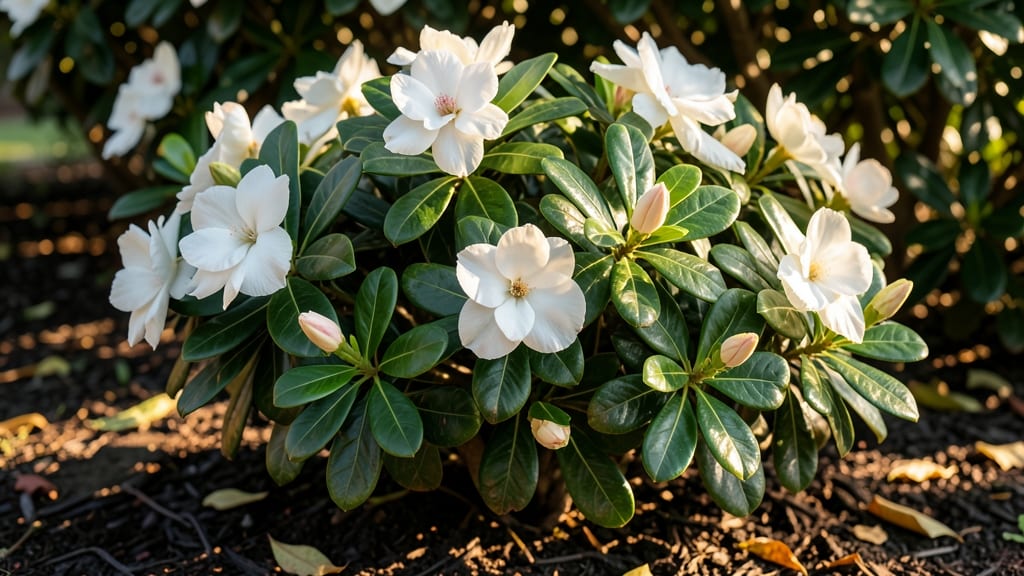
A full-grown gardenia bush 🌸 can reach 4-6 feet tall, filling your yard with intoxicating fragrance—but only if you care for it the right way.
Picture this: your gardenia blooms year after year, its creamy-white flowers standing out against lush green leaves. But without proper pruning and seasonal adjustments, it can become leggy, overgrown, or even stop flowering entirely. That’s why understanding its mature needs is the key to keeping it thriving.
From pruning techniques that encourage more blooms to soil and watering secrets that prevent common issues, this guide covers everything you need to maintain a healthy, fragrant gardenia. Whether you’re dealing with yellowing leaves or sparse flowers, we’ll help you troubleshoot and keep your bush looking its best.
Ready to unlock the full potential of your gardenia? Discover how to adjust care through the seasons, avoid costly mistakes, and enjoy that dreamy, fragrant garden all year long.
How to prune a full-grown gardenia bush for maximum blooms
A full-grown gardenia bush can reach heights of 4-6 feet and spread just as wide, making it a stunning centerpiece in any garden. But without proper pruning techniques, its growth can become unruly, and those fragrant blooms may dwindle.
The key is timing, tools, and knowing where to cut. Let’s dive into the step-by-step process to keep your gardenia lush, healthy, and bursting with flowers.
Pruning isn’t just about shaping your gardenia—it’s about stimulating new growth and encouraging more abundant blooms. Gardenias bloom on old wood, meaning the flowers develop on stems from the previous year. If you prune too aggressively, you risk reducing next year’s blooms.
The goal is to maintain shape, remove dead or diseased branches, and open up the center for better airflow. Let’s get started with the right approach.
Before you begin, gather your pruning tools. You’ll need a pair of sharp bypass pruners for smaller branches and a pruning saw for thicker stems. Don’t forget to sterilize your tools with rubbing alcohol to prevent the spread of bacterial infections.
Wear gloves too—gardenia leaves can be prickly! Timing is everything, so aim to prune your gardenia just after it finishes blooming, typically in late spring or early summer.
Step-by-Step Guide to Pruning Your Gardenia
-
1
Step 1: Remove Dead or Diseased Wood
Start by inspecting your gardenia for any dead, damaged, or diseased branches. Cut these back to healthy tissue at a 45-degree angle just above a leaf node. This opens up the plant and prevents the spread of disease. -
2
Step 2: Thin Out Crowded Branches
Look for crossing or rubbing branches and thin them out to improve airflow. Aim to remove about 20-30% of the oldest wood to encourage new growth. This also helps the plant focus energy on producing more fragrant blooms. -
3
Step 3: Shape the Bush
Use your pruners to trim back overgrown branches to maintain the desired shape. Aim for a rounded, bushy form rather than a flat-topped look. Cut just above a leaf node or bud to encourage outward growth. -
4
Step 4: Avoid Pruning New Growth
Never prune newly formed shoots or buds, as these will produce next year’s flowers. Focus only on old wood and overgrown branches. This ensures your gardenia continues to reward you with abundant blooms season after season. -
5
Step 5: Clean Up and Fertilize
After pruning, remove all clippings from the area to prevent pests or diseases from taking hold. Apply a balanced fertilizer with high phosphorus (like 8-3-9) to support new growth and blooming. Water thoroughly to help the plant recover.
One of the most common pruning mistakes is cutting too late in the season. If you prune your gardenia in late summer or fall, you risk reducing next year’s blooms because the plant won’t have time to form new buds.
Another mistake is using dull or dirty tools, which can tear the branches and introduce infections. Always make clean cuts at a 45-degree angle just above a leaf node or bud to promote healthy regrowth.
If your gardenia isn’t blooming as much as you’d like, it could be due to over-pruning or poor growing conditions. Gardenias thrive in acidic, well-draining soil with partial shade. If your plant isn’t getting enough sunlight or nutrients, it may focus energy on foliage instead of flowers.
After pruning, monitor your gardenia’s response and adjust its care routine as needed to encourage more blooms.
For container-grown gardenias, pruning is even more critical because they have limited space to grow. Prune more aggressively to keep the plant compact and prevent it from becoming root-bound.
Always water thoroughly after pruning to help the plant recover, especially in hot climates where water stress can be an issue. With the right approach, your gardenia will reward you with year-round fragrance and stunning blooms.
Finally, don’t forget that gardenias are evergreen shr
Optimal care routine for a fragrant, full-grown gardenia bush
A full-grown gardenia bush (4-6 feet tall) rewards you with year-round fragrance when given the right care. Unlike younger plants, mature gardenias need balanced sunlight, precise watering, and acidic soil to maintain their lush blooms and glossy leaves.
The key is consistency—over or underdoing any care step can trigger stress, leading to fewer flowers or yellowing foliage.
Your gardenia thrives in USDA Zones 6-10, but even in these zones, seasonal adjustments are critical. Spring and summer demand regular watering and monthly feeding, while fall and winter require reduced care to prepare the plant for dormancy.
Let’s break down the month-by-month routine to keep your gardenia fragrant and healthy.
Start with soil preparation—gardenias hate alkaline soil. Test your soil’s pH and amend with sulfur or peat moss to keep it between 5.0-6.0.
In spring, mix compost into the top 6 inches of soil to provide nutrients without overwhelming the plant. Mulch with pine bark to retain moisture and acidify the soil gradually over time.
Watering is an art for mature gardenias. Deep watering every 3-5 days in spring and daily in summer ensures roots grow deep, while shallow watering encourages weak, surface roots. Always water at soil level, not the leaves, to prevent fungal diseases like powdery mildew.
In winter, reduce watering to every 2 weeks unless your region experiences freezing temperatures below 20°F.
Your gardenia’s blooming cycle peaks in late spring and summer, so feed it high-phosphorus fertilizer (like 8-3-9) every 4-6 weeks during this time. In fall, switch to a slow-release fertilizer to support