
Planting
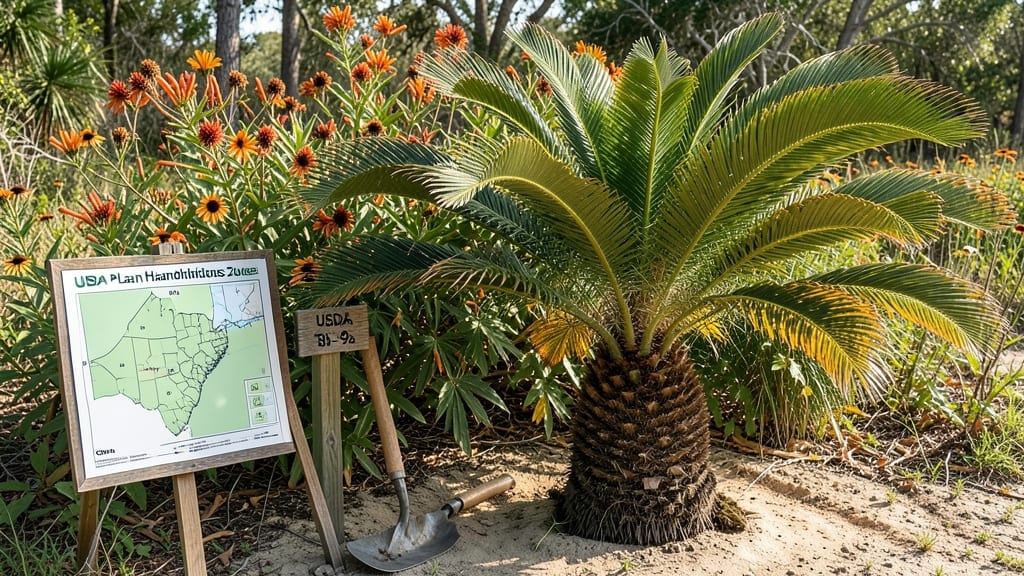
Central Florida’s gardening zone ranges from USDA Zones 8b to 9b, with coastal areas reaching Zone 10a, creating an ideal climate for warm-season plants that thrive year-round without heavy winter protection.
Understanding Central Florida’s gardening zones helps you choose plants that match your area’s average winter lows. 🌿 For example, Zone 8b (like Orlando) can handle brief dips to 15–20°F, while Zone 10a (near Tampa Bay) rarely drops below 30°F.
This range lets you grow everything from citrus trees to hibiscus bushes without worrying about frost damage. Microclimates—like urban heat islands or lakeside areas—can even shift your zone by a letter or two, so checking your exact location matters.
Many gardeners in this region love native Florida plants like coontie palms or firebush, which naturally thrive in these zones. 🌸 Even tropical favorites such as bougainvillea or plumeria do well here, as long as you avoid planting them in areas prone to rare cold snaps.
The key is knowing your zone’s boundaries and adjusting your plant choices accordingly.
💡 In This Article
- How USDA Zones Define Central Florida’s Climate
- Best Plants for Central Florida’s USDA Zones 8b–10a
How USDA zones define Central Florida’s climate
The USDA Plant Hardiness Zone Map divides Central Florida into distinct zones based on average annual minimum temperatures, which determine which plants can survive winter. For example, Zone 8b (like Orlando) has average winter lows of 15–20°F, while Zone 9b (near Ocala) sits at 25–30°F.
These temperature ranges reflect Central Florida’s subtropical climate, where frost is rare but can still occur in inland areas during cold snaps. The zone boundaries are drawn using 30-year climate data, ensuring they account for long-term trends rather than single-year anomalies.
Humidity plays a critical role too—Central Florida’s high moisture levels (often exceeding 70% relative humidity in summer) create a microclimate that extends the growing season.
Coastal areas near Tampa Bay (Zone 10a) experience even milder winters, with average lows of 30–35°F, allowing tropical plants like citrus trees or hibiscus to thrive without protection.
Meanwhile, inland regions like Kissimmee may dip slightly lower, pushing them into Zone 8b. This variation explains why a single county can span multiple zones.
Microclimates further complicate zone mapping. Urban areas with concrete and asphalt (like downtown Orlando) can be 2–5°F warmer than rural zones due to the "heat island" effect, while lakeside properties near Lake Eola might experience cooler nights.
These local variations mean gardeners should verify their exact zone using the USDA Interactive Zone Finder or a weather station for precision.
For instance, a backyard in Zone 9a might safely grow coontie palms, while a neighbor just 0.5 miles away in Zone 8b could risk damage during a 20°F freeze.
Frost-free periods also define plant suitability. Central Florida typically enjoys 250–300 frost-free days per year, with Zone 10a areas nearing 330 days.
This long growing season supports year-round gardening, but it also means heat-tolerant plants (like yucca or aloe) must handle summer highs of 90–100°F with minimal water.
The balance between mild winters and intense summers shapes which plants thrive—drought-resistant natives often outperform tropical imports that struggle with Florida’s 90% humidity and hurricane season.
What most gardeners overlook is how elevation changes can shift zones by 1–2 letters. Higher areas (like Mount Dora) may experience colder lows, while valleys near Lake Apopka stay warmer.
This is why a single county can host three different zones—understanding these nuances helps avoid costly plant losses. For example, a Mexican petunia might survive in Zone 9b but fail in Zone 8b without winter protection.
To put it simply: Central Florida’s zones reflect a delicate balance of warmth, humidity, and rare cold snaps.
The 10°F increment between zones (e.g., 20°F in 8b vs. 30°F in 9b) determines whether a plant like bougainvillea thrives or struggles. 🌡️ Knowing your zone isn’t just about picking pretty flowers—it’s about matching plants to your microclimate’s unique temperature story.