
Tools
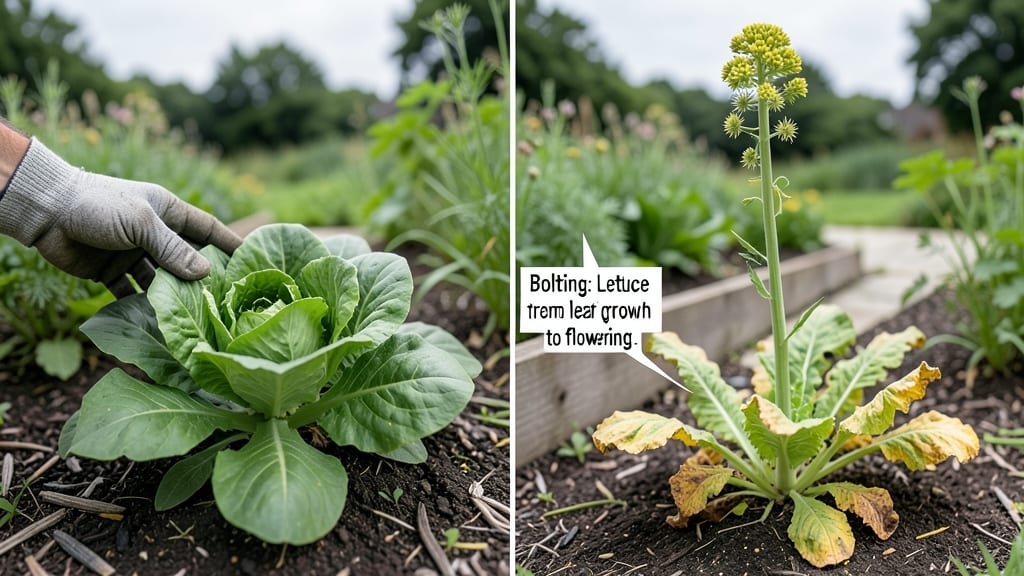
What does bolt mean in gardening? It describes leafy vegetables and herbs that suddenly grow a tall flowering stem, redirecting their energy from edible leaves to seed production—usually caused by heat, age, or stress.
This process happens because plants detect environmental signals like rising temperatures or longer daylight hours, triggering a hormonal shift that prioritizes reproduction over leaf growth. 🌱 For example, lettuce or spinach may bolt after just a few weeks of hot weather, turning bitter and inedible.
Understanding these triggers helps gardeners choose varieties suited to their climate or adjust growing conditions to extend harvests.
Bolting isn't always avoidable, but selecting heat-tolerant varieties or providing afternoon shade can delay it. Some gardeners even embrace the process for seed-saving purposes, letting certain plants bolt intentionally to collect seeds for next season's planting.
💡 In This Article
- Why Plants Bolt: Causes and Science Behind the Process
- Preventing Bolting in Vegetable Gardens
Why plants bolt: causes and science behind the process
When plants bolt, they're essentially following their biological imperative to reproduce. The process begins with a surge in the plant hormone ethylene, which signals the transition from vegetative growth to flowering.
This hormonal shift is often triggered by environmental cues like prolonged exposure to temperatures above 75°F or sudden heatwaves that stress the plant.
For example, lettuce varieties like romaine may bolt within 10-14 days of consistent afternoon temperatures above 80°F, while spinach can bolt even faster when nighttime temperatures exceed 60°F.
The plant's response isn't random—it's a carefully timed survival strategy. When bolting occurs, the plant redirects nutrients from leaf production to the developing flower stalk, which can grow 2-3 feet tall in just a few weeks.
This rapid growth is fueled by the plant's stored energy reserves, leaving the leaves smaller, tougher, and often bitter. The science behind this involves a complex interaction between florigen (a flowering hormone) and environmental signals like photoperiod (day length).
Short-day plants, like some basil varieties, bolt when day lengths shorten, while long-day plants, such as arugula, bolt in response to increasing daylight hours.
Age plays a critical role too—older plants are more prone to bolting because their internal clocks push them toward reproduction. For instance, a 60-day lettuce variety might bolt after 45 days if it reaches maturity, even in ideal conditions.
This is why seed packets often list both days to maturity and days to bolting—gardeners must time their plantings carefully to avoid missing the harvest window.
The bitterness that develops in bolting greens, like kale or Swiss chard, is a direct result of the plant producing glucosinolates, compounds that protect the plant but make it less palatable to humans.
Bolting isn't just about heat—drought stress, poor soil fertility, or even physical damage can trigger it. For example, if a tomato plant experiences a sudden water shortage, it may bolt to conserve energy, even if the weather is cool.
This is why consistent moisture and nutrient-rich soil are essential for preventing premature bolting. The plant's decision to bolt is a trade-off: it sacrifices current harvests to ensure the next generation survives, a strategy that makes perfect sense in the wild but can be frustrating for gardeners.
Interestingly, some plants bolt more aggressively than others due to genetic predispositions. For example, heat-tolerant basil varieties like 'Genovese' bolt more slowly than traditional types, while leaf lettuce bolts faster than head lettuce because its genetic makeup prioritizes quick reproduction.
This genetic variation is why gardeners often choose specific varieties based on their climate—knowing which plants are more resilient to bolting can mean the difference between a bountiful harvest and a disappointing one.
Understanding the science behind bolting helps gardeners make informed decisions. For instance, if you're growing arugula in a warm climate, you might opt for a quick-maturing variety and plan to harvest leaves before bolting occurs.
Alternatively, you could use shade cloth to reduce leaf temperatures by 10-15°F during peak afternoon heat, delaying the bolting process by 2-3 weeks.
The key is recognizing that bolting is a natural response to environmental stressors, and while it can't always be prevented, it can often be managed with the right strategies.