
How To
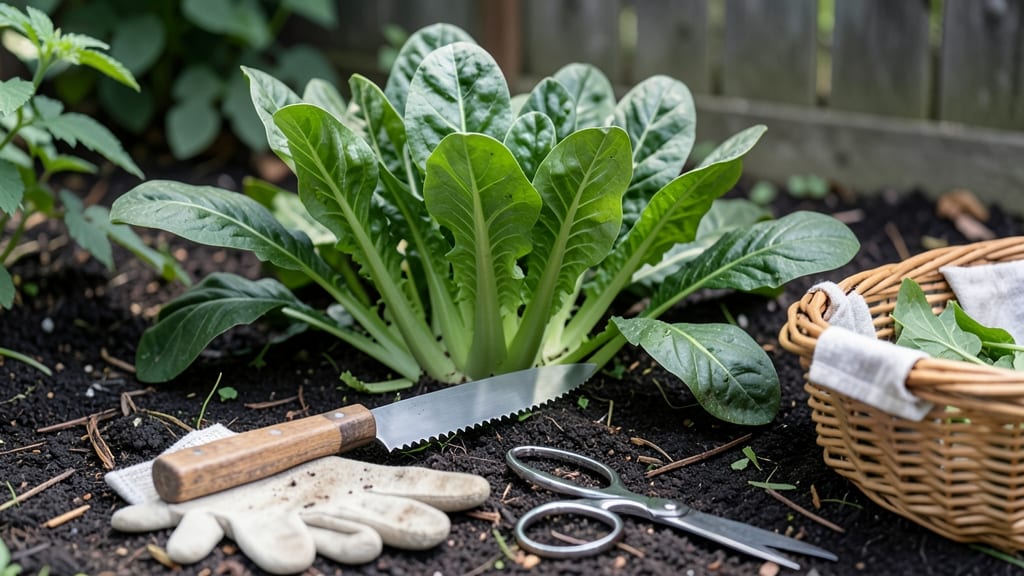
Harvesting romaine lettuce from your garden at the right time gives you crisp, flavorful leaves 🥬 that taste like they just came from a restaurant.
Romaine lettuce thrives in home gardens but loses its crisp texture and bold flavor if left unharvested at the right time—here’s the exact method to pull it for restaurant-quality stems every time.
Most gardeners wait until the leaves reach 6-8 inches, but timing matters even more. If you cut too early, the flavor is mild; too late, and the stems turn bitter. I’ll show you how to spot the perfect moment—when the leaves are deep green, firm, and still tender.
You’ll also discover the best way to cut stems without damaging the plant, how to store your harvest for up to a week, and whether to go for the full head or use the cut-and-come-again method for more harvests.


When to harvest romaine lettuce for maximum crispness and flavor
Timing is everything when harvesting romaine lettuce—wait too long, and you’ll end up with bitter, tough leaves instead of the crisp, flavorful stems you crave. The secret lies in watching for specific maturity cues that signal peak harvest readiness.
Unlike loose-leaf varieties, romaine forms a tight head, making it easier to spot when it’s time to harvest for that restaurant-quality crunch.
For optimal flavor and texture, aim to harvest romaine when the outer leaves reach 6-8 inches long and the entire head stands 12-18 inches tall. At this stage, the leaves should be deep green with a slight gloss, and the stems should feel firm when gently squeezed.
If you harvest too early, the stems may be woody, while waiting too long risks bolting—when the plant sends up a flower stalk, ruining its tenderness.
Seasonal timing matters too. In spring plantings, harvest romaine between 50-60 days after sowing, typically in late spring when temperatures stay below 75°F. For fall crops, harvest in early autumn before cooler nights trigger bolting. Always check the forecast—harvesting just before a heatwave can preserve crispness longer.
Here’s how to identify the perfect harvest window with visual cues and key details:
| Harvest Stage | Leaf Size | Plant Height | Stem Condition | Color | Temperature |
|---|---|---|---|---|---|
| Early Harvest | 4-6 inches | 8-12 inches | Slightly woody | Pale green | 50-65°F |
| Peak Harvest | 6-8 inches | 12-18 inches | Crisp, firm | Deep green | 55-70°F |
| Late Harvest | 8+ inches | 18+ inches | Bitter, tough | Yellowing | 75°F+ |
Pro tip: Harvest in the morning when temperatures are coolest. This preserves moisture and crispness, especially during hot summers. If your romaine starts to bolt (sending up a tall flower stalk), harvest immediately—even the leaves will be edible, though less tender.
For cut-and-come-again harvesting, snip the outer leaves when they reach 6 inches, leaving the inner core intact. This encourages regrowth and extends your harvest window by 2-3 weeks. Just avoid cutting more than one-third of the plant at once, or you’ll stress the remaining leaves.
Watch for pest damage like holes or yellowing edges—these are signs to harvest sooner rather than later. Aphids and slugs love romaine, and their damage can make leaves bitter or slimy. If you notice these issues, prioritize harvesting affected leaves immediately to prevent spread.
One common mistake is waiting until the entire head is fully mature before harvesting. By then, the bottom leaves may already be yellowing or bolting. Instead, focus on the outer leaves first, which mature faster.
This method gives you a steady supply of crisp romaine without sacrificing the plant’s productivity.
If you’re growing romaine in containers, harvest slightly earlier—compact growing spaces can accelerate maturity. Container-grown lettuce also bolts faster in heat, so monitor plants daily during summer months. A simple shade cloth can delay bolting by keeping soil temps cooler.
For the best flavor, harvest romaine just before using it. Stored heads lose crispness quickly, even in the fridge. If you must store, wrap the cut head in a damp paper towel and place it in a perforated plastic bag.
This mimics the humidity romaine loves and keeps it fresh for 5-7 days.
Romaine lettuce rewards patience and attention to detail. By harvesting at the right stage—when leaves are deep green, crisp, and firm—you’ll enjoy restaurant-quality stems packed with bold flavor. The key is consistency: check your plants every 2-3 days during peak growing season to catch that perfect harvest window.
Step-by-Step romaine lettuce harvesting technique to avoid bolting
Harvesting romaine lettuce at the right time ensures crisp stems and bold flavor, but improper techniques can trigger bolting—the dreaded flower stalk that ruins your crop. The key is cutting cleanly while preserving the plant's ability to regrow.
With the right tools and timing, you can extend your harvest by 30-50% without stressing the plant.
Bolting occurs when romaine senses stress—whether from heat, drought, or rough handling. By following this step-by-step method, you’ll avoid triggering that survival response while maximizing your yield. Start by gathering your tools: a sharp pruning shears, a clean cutting knife, and a bowl for loose leaves.
Work in the early morning when leaves are hydrated and crisp.
How to Harvest Romaine Lettuce From Garden
- 🌱 Step 1: Inspect the Plant
Check for deep green, crisp leaves (6-8 inches long) with thick stems. Avoid harvesting if leaves are yellowing or rubbery—signs of stress. - ✂️ Step 2: Choose Your Cut
For full heads, cut the entire plant 1 inch above the base using sharp shears. For cut-and-come-again, snip outer leaves at the base, leaving the inner core intact. - 💧 Step 3: Cut Cleanly
Use a 45-degree angle for full-head harvests to maximize surface area for regrowth. For loose leaves, pinch at the stem base to avoid tearing. Never yank—this damages the plant. - 🌿 Step 4: Handle Loose Leaves
Place harvested leaves in a shaded bowl to prevent wilting. Rinse only before eating—excess moisture speeds up spoilage. Pat dry with a clean towel if storing. - 🌡️ Step 5: Post-Harvest Care
Water the plant deeply after harvesting to reduce stress. Apply a light mulch (straw or grass clippings) to retain moisture and cool roots. Avoid fertilizing for 10-14 days to let the plant recover.
One common mistake is harvesting during hot afternoons, which causes leaves to wilt faster. Always work in the morning when temperatures are cooler. Another pitfall is cutting too close to the base—leave 1 inch of stem to prevent rot and encourage regrowth.
If your romaine starts bolting prematurely, it’s likely due to heat stress or over-maturity.
After harvesting, store romaine in the crisper drawer of your fridge wrapped in a damp paper towel to retain moisture. For regrowth, keep the soil consistently moist and provide partial shade if temperatures exceed 75°F.
With proper care, your romaine can produce 2-3 harvests per season, giving you a steady supply of fresh, crisp leaves.
Pro tip: If your plant bolts, don’t discard it! The flower stalks are edible and add a bitter, spicy flavor to salads or pestos. Just harvest the stalks early before they become tough. This technique ensures you minimize waste while maximizing your garden’s productivity.