
Tools
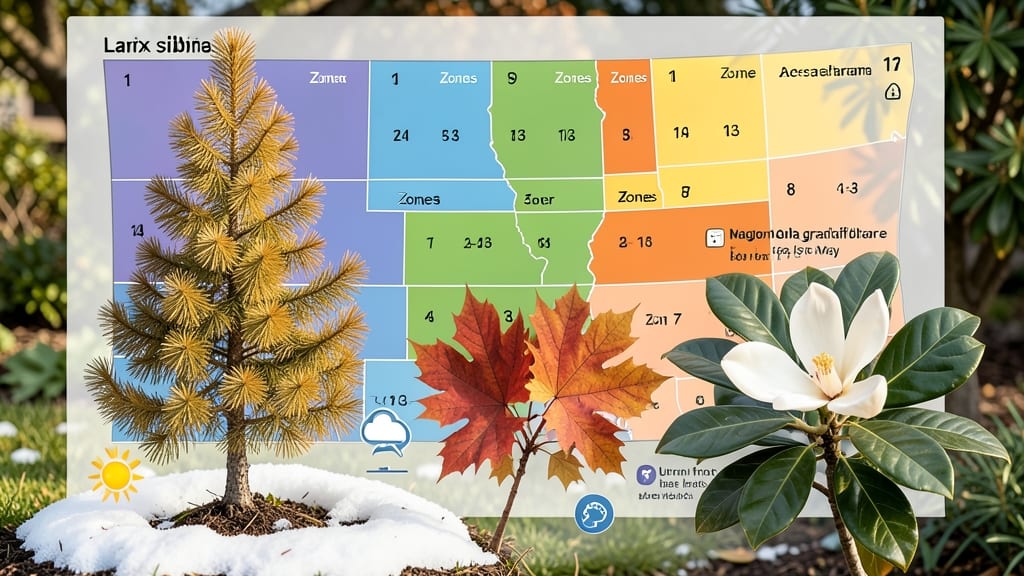
US climate zones for gardening classify regions by their coldest winter temperatures into numbered hardiness zones (1-13), which dictate which plants survive year-round, when to expect last frost dates, and the best seasonal planting windows for healthy growth.
Understanding these zones helps you choose plants that match your local climate, avoiding costly mistakes like frost damage or stunted growth. 🌱 For example, zone 5's average minimum temperature of -20°F means only cold-hardy crops like kale or potatoes will thrive, while zone 9's 20-30°F range allows year-round citrus and olive trees.
The USDA updates these zones every 10 years to reflect changing weather patterns, which means even longtime gardeners should check their zone periodically—especially if you've noticed earlier springs or later falls in recent years.
Beyond just temperature, these zones also influence soil conditions, rainfall patterns, and even pest cycles. That's why knowing your zone isn't just about picking plants—it's about timing everything from seed starting to harvest.
For instance, gardeners in zone 7 can plant tomatoes as early as March, while zone 3 gardeners might wait until late May when soil temperatures are more stable. The system even accounts for microclimates, so your backyard might actually be a half-zone warmer or colder than the official map suggests.
💡 In This Article
- How USDA Plant Hardiness Zones Determine Garden Success
- Seasonal Planting Calendar by US Climate Zone
How USDA plant hardiness zones determine garden success
The USDA Plant Hardiness Zone Map divides North America into 13 zones based on the average annual minimum winter temperatures, measured over a 30-year period. Each zone represents a 10°F difference, with zone 1 experiencing -60°F to -50°F and zone 13 staying above 60°F.
This classification system helps gardeners predict which plants can survive winter's coldest snaps, as most plants die when exposed to temperatures 10°F colder than their hardiness rating. For example, a zone 5 plant won't survive a -30°F night in zone 3, even if summers are similar.
The science behind these zones involves analyzing microclimates—local variations in temperature caused by factors like elevation, bodies of water, or urban heat islands. A south-facing slope might be a full zone warmer than the surrounding area, while a valley could be colder.
These microclimates explain why your neighbor's garden might thrive with plants that struggle in yours, even if you're only a few miles apart. The USDA updates the map every decade to reflect climate change—since 1990, zones have shifted northward by 1-2 zones in some regions due to warming trends.
Understanding your zone affects more than just winter survival. It determines your last frost date, which varies dramatically: zone 3's last frost might be May 15, while zone 10's could be March 1.
This timing dictates when to plant cool-season crops like lettuce versus warm-season ones like tomatoes. For instance, in zone 6 (-10°F to 0°F), gardeners often wait until after May 10 to plant tomatoes, while zone 8 (10°F to 20°F) gardeners can start them in March.
The system also explains why some plants, like citrus trees, only thrive in zones 9-11, where winters rarely drop below 20°F.
Plant adaptations further illustrate zone importance. Cold-hardy vegetables like kale and Brussels sprouts thrive in zones 3-7 because they can withstand -20°F temperatures, while heat-sensitive crops like okra and sweet potatoes prefer zones 8-11, where summers stay above 80°F for extended periods.
Even perennials like lavender (zone 5-9) and hydrangeas (zone 3-9) have specific temperature ranges where they'll bloom reliably. The zone system helps avoid costly mistakes—like planting peonies in zone 4 when they need zone 5's 20°F minimum to survive.
Climate change adds complexity, as zones shift faster than plants can adapt. Some gardeners in zone 6 now experience zone 7 conditions, allowing them to grow plants previously considered too tender. However, this also means traditional planting schedules may need adjustment—what worked 20 years ago might fail today.
For example, gardeners in the Pacific Northwest have noticed earlier springs by 2-3 weeks, requiring shifts in planting dates for crops like peas and spinach. The key is staying flexible and using tools like the USDA's interactive zone finder to track changes in your specific area.
Beyond temperature, hardiness zones indirectly influence other growing factors. Warmer zones (7-11) often have longer growing seasons and more humidity, favoring tropical plants like bananas or ginger. Cooler zones (3-5) typically have drier summers and shorter seasons, making drought-resistant plants like Russian sage or coneflowers better choices.
Even soil types vary—warmer zones often have heavier, moisture-retentive soils, while colder zones may have lighter, faster-draining soils. Understanding these interconnected factors helps create a garden that thrives year after year.