
Planting
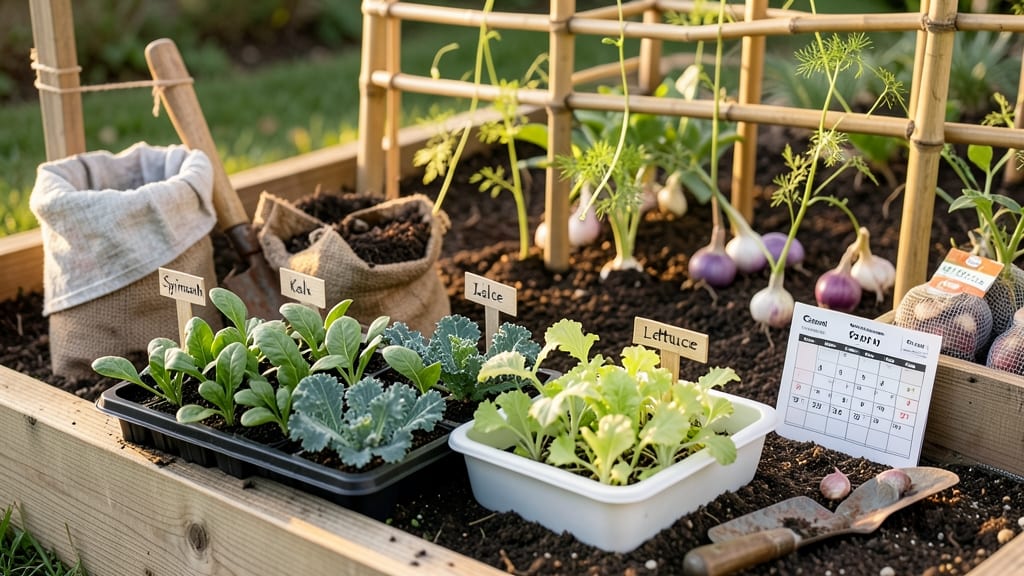
Planting a garden in Upstate NY at the right time means the difference between a thriving harvest and a sad pile of frost-bitten seedlings 🌱.
Upstate New York’s unpredictable spring frosts and short growing seasons can turn gardening into a high-stakes guessing game—but timing your plantings just right ensures a bountiful harvest instead of wasted seeds.
With hardiness zones 5B-6A, you’ve got about 150-180 frost-free days to work with, so every week counts.
Cool-season crops like lettuce and peas need to hit the soil 4-6 weeks before your last frost (usually mid-May), while warm-season favorites like tomatoes and peppers won’t tolerate cold soil—wait until after May 15 when temperatures stay above 60°F.
Below, I break down the exact planting windows for every crop type, how to adjust for microclimates, and the top 5 mistakes that sabotage Upstate NY gardens—so you can finally stop guessing and start growing with confidence.
Upstate NY planting calendar: exact dates by crop type for zones 5B/6A
Upstate New York’s short growing season and unpredictable frosts demand precision when planning your garden. With Zone 5B/6A conditions, knowing the exact planting windows for each crop type can mean the difference between a thriving harvest and lost investments.
I’ve broken down the month-by-month schedule for cool-season crops, warm-season crops, and perennials to help you maximize your garden’s potential.
First, mark your calendar for Upstate NY’s average last frost date, which typically falls around May 15 (with variations of ±10 days).
Warm-season crops like tomatoes and peppers need soil temperatures of at least 60°F to thrive, while cold-hardy crops such as kale and peas can handle early spring plantings as soon as the ground thaws. Below, I’ve organized the planting timeline by crop type to simplify your planning.
| Crop Type | Planting Window (Spring) | Planting Window (Fall) | Notes |
|---|---|---|---|
| Cool-Season Vegetables | Mid-April to May 15 | Late July to August 15 | Kale, spinach, lettuce, peas, broccoli |
| Warm-Season Vegetables | May 20 to June 15 (after frost) | N/A (unless using row covers) | Tomatoes, peppers, cucumbers, beans |
| Herbs | Early May to June 10 | Late July to August 10 | Basil, parsley, cilantro (avoid frost) |
| Flowers (Annuals) | Late April to June 1 | Late July to August 15 | Marigolds, zinnias, cosmos (heat-tolerant) |
| Perennials | Early May to June 10 | N/A (plant in spring) | Asparagus, rhubarb, lavender |
For cool-season crops, start planting as early as mid-April for hardy varieties like peas and spinach. These crops can handle light frosts and even thrive in cooler temperatures.
If you’re growing late varieties of cool-season crops, like broccoli or cabbage, you can extend your harvest into early fall by planting again in late July. This succession planting strategy ensures a continuous supply of fresh greens.
Warm-season crops, such as tomatoes and peppers, require warmer soil temperatures and should only be planted after the last frost date, typically around May 20. Use a soil thermometer to confirm the ground has reached at least 60°F before sowing seeds or transplanting seedlings.
If you’re eager to get a head start, begin these crops indoors in March and transplant them outdoors once the risk of frost has passed.
Herbs like basil and cilantro also have specific timing needs. Basil, for example, is a warm-season herb that won’t tolerate frost, so wait until late May to plant it outdoors.
Cilantro, on the other hand, prefers cooler weather and can be sown in early spring or late summer for a fall harvest. Always check the seed packet for specific recommendations, as some varieties are more cold-tolerant than others.
When it comes to flowers, timing depends on whether you’re planting annuals or perennials. Annuals like marigolds and zinnias can be sown directly into the garden as early as late April or started indoors in March for earlier blooms.
Perennials, such as lavender or coneflowers, should be planted in early spring to establish strong root systems before winter. Avoid planting perennials in the fall, as they may not have enough time to root before the first frost.
To extend your growing season in Upstate NY, consider using row covers or cold frames for early or late plantings. These tools can protect tender crops from unexpected frosts and allow you to plant 2-3 weeks earlier in spring or 3-4 weeks later in fall.
For example, you might use a row cover to plant spinach in early April or kale in late August for a prolonged harvest. Always remove covers during the day to allow for proper ventilation and pollination.
Finally, keep an eye on your local frost dates, which can vary slightly from year to year. Check resources like the National Weather Service or your local Cooperative Extension office for updates. By following this Upstate NY planting calendar
How to adjust planting times for Upstate NY’s microclimates and soil conditions
Upstate New York’s diverse microclimates and variable soil temperatures demand a flexible approach to planting. While your neighbor in Rochester might plant tomatoes in early May, a garden in the Adirondacks could face late frosts until June.
The key is understanding your local frost pockets and soil warmth—not just the air temperature.
Most planting guides focus on last frost dates, but what matters most is soil temperature. Warm-season crops like peppers and cucumbers won’t germinate until the soil reaches 60°F, even if the air is warm.
Use a soil thermometer ($10 at garden centers) to check depths of 2–4 inches before planting. In Upstate NY, this often means waiting until late May or early June for heat-lovers.
⚠️ callout-warning ⚠️
Cold soil delays germination by weeks. For example, planting tomatoes when air is 70°F but soil is 50°F can leave seeds rotting in the ground. Test soil temp for 3 consecutive days before planting warm-season crops.
🌱 Pro Tip: Use black plastic mulch or straw bales to warm soil 2–3 weeks faster in spring.
Extend your growing season with seasonal adjustments. In Zone 5B/6A, cool-season crops like spinach and peas can handle light frosts, but warm-season crops (tomatoes, peppers) need protection until soil warms.
Use row covers or cold frames to plant lettuce and kale 4–6 weeks before your average last frost date. For warm crops, start seeds indoors in March and transplant after Memorial Day.
Succession planting is your secret weapon against Upstate NY’s short season. Instead of planting all your bush beans at once, sow half in May and the rest 2 weeks later.
This ensures a steady harvest and reduces waste. For fast-growing crops like radishes or lettuce, make weekly plantings every 10–14 days from April through July.
Identify frost pockets in your yard—low areas, valleys, or north-facing slopes where cold air settles. These spots freeze 2–5 days later than sun-exposed beds. Move heat-sensitive plants like tomatoes and peppers to these areas after Memorial Day for a longer growing window.
Conversely, plant cold-hardy crops (kale, carrots) in frost pockets early for an earlier harvest.
Test your soil’s drainage and fertility before planting. Upstate NY’s clay-heavy soils retain moisture but can suffocate roots. Amend with compost or aged manure in fall or early spring.
For containers, use a lightweight mix of 60% potting soil and 40% perlite or coconut coir. pH matters too: most veggies thrive at 6.0–7.0—test with a kit or send a sample to your local Cooperative Extension office.