
Planting
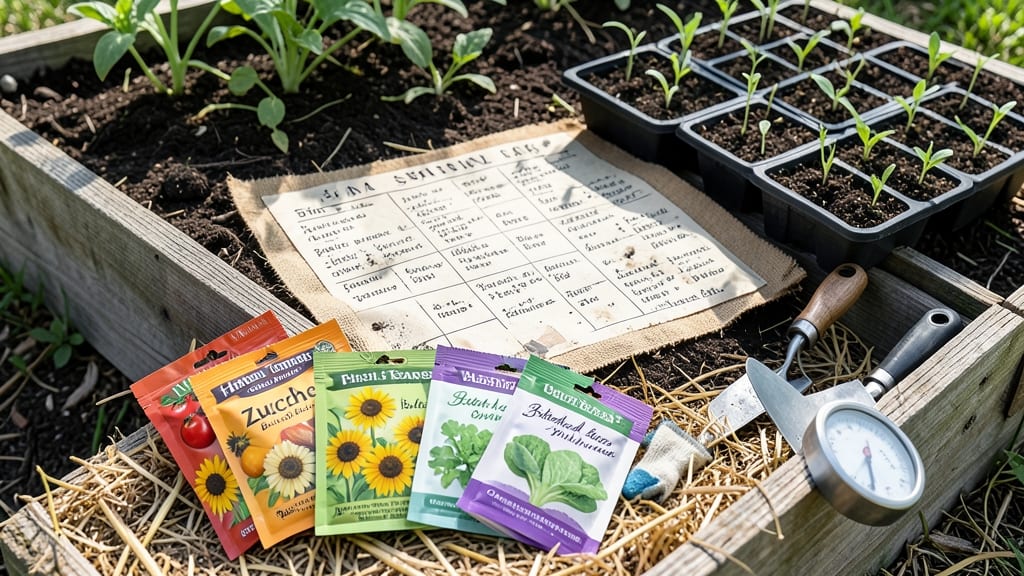
The best time to plant a garden in Tennessee is between March and May for spring crops and August to October for fall, aligning with the state’s frost-free windows in Zones 6b and 7a.
Picture this: You’ve prepped your soil, ordered seeds, and are ready to dive in—only to watch your tender seedlings crisp under an unexpected late frost. Tennessee’s mild climate tricks even seasoned gardeners into planting too early, and that’s how a promising garden turns into a sad memory.
Timing matters because Tennessee’s 6a-7b zones mean frost can linger into mid-March in the mountains while Nashville warms up faster. Cool-season crops like lettuce and peas need those frost-free dates, while tomatoes and peppers hate a chill.
Get it wrong, and you’re either waiting forever for harvests or scrambling to replant.
Here’s what you’ll discover: the exact planting calendar for your region, how to adjust for Tennessee’s unpredictable weather, and the top 5 mistakes even local gardeners make—plus how to avoid them. Let’s get those 🌱 growing!
Tennessee planting calendar: exact months for vegetables, flowers & herbs by Zone 6b & 7a
Timing your garden is everything in Tennessee, where Zone 6b and Zone 7a create unique microclimates. The difference between a bountiful harvest and wasted seeds often comes down to planting in the right window.
For example, Nashville's last frost typically hits around March 15, while Chattanooga may see frost lingering until March 20. These variations matter—especially for heat-loving tomatoes or frost-sensitive peppers.
Spring is your prime time for cool-season crops like lettuce and peas, while summer demands warm-season stars such as okra and sweet potatoes. Fall offers a second chance for greens and root vegetables before the first frost.
Perennials like lavender and rosemary thrive when planted in early spring or fall, avoiding summer stress. Let’s break down the exact months for each category, tailored to Tennessee’s climate.
For Zone 6b gardeners, focus on planting cool-season crops like lettuce and spinach between mid-March and April. These plants thrive in Tennessee’s mild spring temperatures and can handle light frosts. Use row covers if late frosts threaten—especially in higher elevations like the Cumberland Plateau.
Warm-season crops, such as tomatoes and peppers, should wait until late April or early May when soil temperatures consistently stay above 60°F.
In Zone 7a, you have a slightly longer window to plant. Start cool-season crops as early as mid-February in sheltered microclimates, but most gardeners wait until March 1 to avoid frost damage.
Warm-season crops can go in the ground by mid-April, giving you an extra 2-3 weeks of growing time. This zone’s longer frost-free period (around 210 days) also allows for fall planting of hearty vegetables like kale and carrots until early September.
Herbs like basil and cilantro are finicky—they need precise timing.
Basil won’t germinate in cold soil, so wait until late April in Zone 6b or early April in Zone 7a. Meanwhile, rosemary and thyme are more forgiving and can handle cooler temperatures, making them ideal for early spring or fall planting.
Perennials like lavender and coneflowers should be planted in early spring to establish roots before summer heat sets in.
Don’t overlook succession planting, a Tennessee gardener’s secret weapon. For example, sow bush beans every 2 weeks from May to July to ensure a continuous harvest. Similarly, radishes mature in just 30 days, making them perfect for quick fall plantings.
Even in Tennessee’s humid summers, proper spacing and mulching can extend the life of your garden beds, keeping soil temperatures stable and moisture levels ideal.
If you’re in a mountainous region like the Smoky Mountains, expect cooler temperatures and later frost dates. Adjust your planting schedule by 1-2 weeks later than the general Zone 6b guidelines. Conversely, areas like Memphis or Nashville’s urban heat islands may experience earlier last frosts—monitor local weather forecasts closely.
For container gardening, you can push warm-season crops like peppers 2-3 weeks earlier by using black plastic mulch to warm the soil faster.
Remember, Tennessee’s first frost
How to adjust planting times for Tennessee’s unpredictable weather patterns
Tennessee’s weather can throw a curveball—one week might feel like spring, while the next brings a surprise frost. If you’ve ever planted tomatoes too early only to watch them freeze, you know how frustrating this can be.
The key to success lies in flexible planting strategies that account for Tennessee’s Zone 6b and 7a variations, from Nashville’s urban heat islands to Chattanooga’s mountain valleys.
Regional differences matter: Chattanooga’s higher elevation means earlier last frosts (around March 20), while Memphis’ flatter terrain often warms up faster. Even within 50 miles, microclimates can shift planting windows by 1-2 weeks.
That’s why I rely on soil temperature checks and succession planting to keep my garden thriving year-round.
⚠️ callout warning
🌡️ Don’t Trust the Calendar—Trust the Soil!
Tennessee’s last frost dates can vary by 2+ weeks between regions. Instead of guessing, use a soil thermometer—most vegetables need soil temps of 60°F+ to germinate. For cool-season crops like broccoli, wait until soil hits 40°F+. Pro tip: Container gardens warm up faster than in-ground soil, giving you a 2-week head start in spring!
For late frosts (which hit hard in April), I prioritize heat-loving crops like peppers and eggplants in black plastic mulch. This raises soil temps by 5-10°F and protects seedlings.
In my Zone 7a garden, I’ve successfully planted basil in early May—3 weeks before the official last frost—thanks to this trick. For early fall plantings, I use row covers to extend harvests into November, even when nighttime temps dip.
Succession planting is my secret weapon against Tennessee’s unpredictable heatwaves. Instead of one big planting, I stagger seeds every 2 weeks for lettuce, radishes, and beans. This ensures a continuous harvest even if a sudden heatwave wipes out one batch.
For example, I’ll plant 3 rounds of bush beans in May, June, and July—guaranteeing fresh beans from July through September.
Container gardening offers the most flexibility. Potted plants can be moved to shade during heatwaves or protected from frost by bringing them indoors. My herb containers (basil, cilantro, parsley) live on a rolling cart—I wheel them under a porch overhang when temps hit 90°F+.
This lets me grow herbs 2 months longer than in-ground gardens.
Don’t overlook fall planting—it’s often more reliable than spring in Tennessee. By late August, soil temps drop enough for cool-season crops like kale and carrots. I’ve harvested sweet potatoes straight from October soil, and my spinach thrives when planted in September.
The trick? Test soil temps weekly after Labor Day—once they hit 50°F, it’s time to plant!
🌱 Remember: Tennessee’s weather is a puzzle, but with soil checks, succession planting, and container flexibility, you can turn unpredictability into a gardening advantage. Start small—try one new strategy this season, like mulch for heat or containers for mobility—and watch your harvests grow!