
Vegetables
Stan Hywet Hall and Gardens is a 100-room French Renaissance-style mansion with 65 acres of meticulously landscaped gardens, blending formal French design with native American plants. Built in 1915, it reflects the Gilded Age opulence of its founder, F.A. Seiberling, while preserving rare botanical collections and historical artifacts.
Stan Hywet Hall isn't just Ohio's grandest estate—it's a living museum where architecture and nature collide in stunning harmony. 🏰 The mansion's symmetrical design, inspired by French châteaux, features intricate stone carvings and towering ceilings that still leave visitors breathless today.
What's fascinating is how the gardens—spanning 65 acres—were carefully curated to showcase both imported French plants and native Ohio species, creating a unique botanical fusion. This blend of old-world elegance and American ingenuity makes it a must-visit for history buffs and garden enthusiasts alike.
Beyond its visual splendor, Stan Hywet offers a rare glimpse into the Gilded Age lifestyle of F.A. Seiberling, founder of Goodyear Tire. 💫 The estate's preservation team has uncovered hidden details like original blueprints and restoration techniques that reveal how this mansion was built to last over a century.
Whether you're admiring the grand staircase or wandering through the terraced gardens, every corner tells a story of craftsmanship and vision.
💡 In This Article
- Architectural Marvels of Stan Hywet’s French Renaissance Design
- Gardens at Stan Hywet: Rare Plants and Landscaping Secrets
Gardens at Stan Hywet: rare plants and landscaping secrets
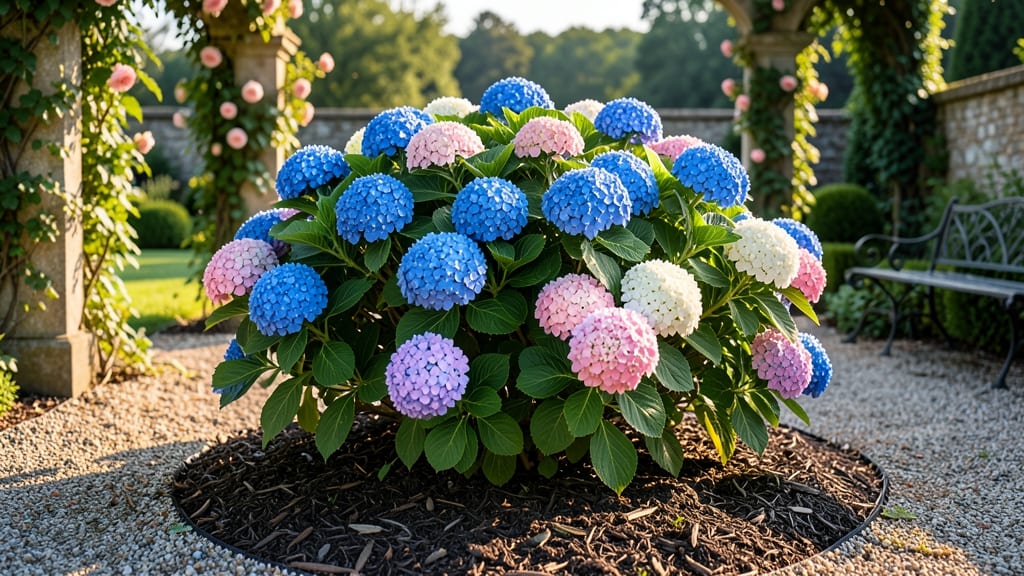
The estate's gardens are a masterpiece of horticultural fusion, where French formal gardens meet Ohio's native flora. 🌿 Over 65 acres, you'll find meticulously designed terraces, parterres, and water features that showcase 1,500+ plant varieties, including rare French imports like peonies and hydrangeas alongside hardy Ohio species such as trilliums and bloodroot.
The gardens weren't just decorative—they were carefully selected to thrive in the region's climate while preserving their European elegance.
One of the most striking features is the Sunken Garden, a terraced paradise designed to mimic French Renaissance gardens but adapted for the estate's topography. 🌸 The terraces are built with local limestone and Ohio sandstone, creating a durable foundation that's stood the test of time.
The garden's layout follows strict axial symmetry, a hallmark of French design, but incorporates native plants like Virginia bluebells and wild columbine to create a seamless blend of old-world aesthetics and local biodiversity.
Stan Hywet's horticultural team employs seasonal planting strategies that ensure year-round interest. In spring, you'll see 30+ varieties of tulips and daffodils, while summer brings 200+ roses in the Rose Garden.
The autumn display features Japanese maples with fiery foliage, and winter brings evergreens like blue Atlas cedars that maintain the garden's structure even when other plants are dormant. This careful planning creates a living tapestry that changes with each season.
What makes these gardens truly remarkable is their sustainable approach that predates modern eco-consciousness. The estate uses rainwater collection systems that date back to the 1920s, and the original composting methods from Seiberling's era are still employed today.
The gardens also incorporate native pollinator plants, creating a thriving ecosystem that supports local wildlife while maintaining the estate's historical integrity. 🐝
Visitors often overlook the hidden greenhouse complex, where rare plants are propagated year-round. This 2,500-square-foot facility maintains 150+ plant species that wouldn't survive Ohio's winters outdoors, including tropical water lilies and exotic orchids.
The greenhouse uses a combination of natural light and early 20th-century heating systems that have been carefully preserved and updated with modern energy-efficient technology.
For home gardeners, Stan Hywet offers practical lessons in layered planting and seasonal transitions. The estate's approach to combining structural plants (like boxwood hedges) with seasonal blooms creates depth and visual interest throughout the year.
You can replicate this technique by pairing evergreen shrubs with spring bulbs and summer annuals, ensuring your garden remains vibrant from January through December.
The gardens' most fascinating secret?
Many of the original planting plans from 1915 still exist, allowing modern horticulturists to restore plants to their original locations with remarkable accuracy. 🌺 This level of historical precision is what makes Stan Hywet's gardens not just beautiful, but a living archive of early 20th-century horticultural practices that continue to inspire gardeners worldwide.