
Fertilization
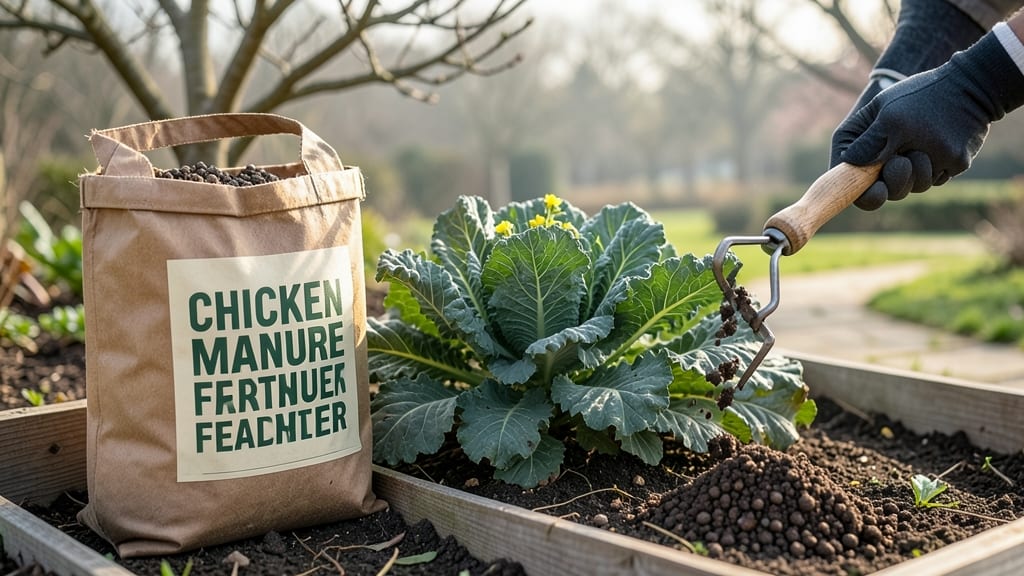
Using chicken fertilizer for gardens is one of the fastest ways to turn tired soil into a nutrient powerhouse 🐔🌱—especially when you know how to balance its high nitrogen content without burning your plants.
Picture this: You’ve spent hours tilling, planting, and watering, only to watch your greens wilt or your tomatoes bolt to seed. The missing piece? A boost of organic nitrogen that doesn’t break the bank. Chicken manure delivers that—if you use it right.
Here’s the game-changer: composting or aging raw manure for 3-6 months transforms it from a potent (but risky) fertilizer into a soil-enriching goldmine. We’ll walk you through the exact ratios, timing, and safety tips to keep your garden thriving without the stink or the stress.
From raised beds to container gardens, you’ll learn how to integrate chicken fertilizer with other organic amendments, troubleshoot over-application, and even brew your own compost tea for a lush, high-yield harvest—starting this spring.

How to use chicken manure fertilizer correctly for maximum garden growth
Chicken manure is one of the most powerful organic fertilizers you can add to your garden, but using it correctly makes all the difference between thriving plants and burned foliage. The key lies in proper aging, dilution ratios, and timing—especially for nitrogen-hungry vegetables and blooming flowers.
I’ve learned from years of trial and error that fresh manure can scorch roots, while composted versions release nutrients slowly for steady growth.
Whether you’re fertilizing a vegetable patch, flower beds, or even your lawn, the right approach ensures your plants absorb maximum benefits without harm. Let’s break down the step-by-step process to get the best results from this nutrient-packed amendment.
⚠️ CRITICAL NOTE: Always use aged or composted chicken manure—never apply fresh droppings directly to plants or soil. The high ammonia content can burn roots and kill beneficial microbes.
Store fresh chicken manure in a covered pile or compost bin for at least 3-6 months before use. This breaks down ammonia and pathogens, making it safe for gardens. For faster results, mix with straw or wood chips to balance moisture.
Chicken manure works best in slightly acidic to neutral soil (pH 6.0-7.0). Use a soil test kit to check levels. If your soil is too acidic (pH < 6.0), add lime before applying manure.
For vegetables: Work 1-2 inches of composted manure into soil 2-4 weeks before planting.
For flowers: Apply 1 pound per 10 sq ft in early spring or fall.
For lawns: Spread ½ pound per 100 sq ft in late summer or early fall.
For a liquid fertilizer, mix 1 part composted manure with 10 parts water. Strain through a fine mesh and apply to soil (not leaves) every 4-6 weeks during the growing season.
Always water the area deeply after applying to help nutrients penetrate the soil and prevent odor or runoff. Aim for 1 inch of water to activate microbial breakdown.
Watch for leaf yellowing (too much nitrogen) or stunted growth (too little). Adjust future applications based on plant health. Leafy greens like spinach love it, while root crops (carrots, beets) need less.
One of my favorite tricks is to mix composted chicken manure with worm castings for a balanced boost. The worms help break down nutrients even faster, giving your plants a steady supply. I’ve seen tomato plants produce 30% more fruit when fertilized this way compared to synthetic options.
For container gardens, reduce the amount to ½ pound per 5-gallon pot and mix it into the top 2-3 inches of soil. This prevents overloading roots in small spaces. Always label your containers if you’re experimenting with different fertilizers!
If you’re new to chicken manure, start with a small test patch in one corner of your garden. This lets you observe how your soil reacts without risking your entire plot. Over time, you’ll learn the perfect balance for your specific plants and climate.
Remember, the goal isn’t to drown your plants in nutrients—it’s about feeding the soil, not the plants directly. Healthy soil equals healthy plants, and chicken manure is one of the easiest ways to achieve that balance. Happy gardening!
Chicken manure vs. other organic fertilizers: nitrogen content compared
When it comes to feeding your garden, nitrogen is the superstar nutrient that fuels leafy growth and vibrant foliage. Chicken manure is one of the most potent organic sources, but it's not the only option.
Understanding how it compares to other fertilizers helps you choose the best fit for your plants' needs. Let me break down the nitrogen content, benefits, and ideal use cases for each.
Chicken manure stands out with an average nitrogen content of 1.5-2.5%, making it a powerhouse for heavy feeders like corn, tomatoes, and leafy greens. However, its high nitrogen comes with trade-offs—like potential odor and the need for composting to avoid burning plants.
Let’s compare it to other top organic fertilizers so you can make an informed choice for your garden.
| Fertilizer | Nitrogen (%) | Best For | Pros | Cons |
|---|---|---|---|---|
| Chicken Manure | 1.5-2.5% | Vegetables, Lawns, Heavy Feeders | High nitrogen, improves soil structure | Strong odor, requires composting |
| Compost | 0.5-1.5% | All plants, soil improvement | Balanced nutrients, improves soil health | Lower nitrogen, slower release |
| Worm Castings | 0.3-0.5% | Seedlings, potted plants, all gardens | Mild, improves microbial life | Low nitrogen, expensive |
| Blood Meal | 12-15% | Leafy greens, fast-growing plants | High nitrogen, quick results | Can burn plants if overused |
| Fish Emulsion | 2-5% | Flowering plants, vegetables | Quick absorption, balanced nutrients | Strong smell, attracts pests |
*Nitrogen percentages are approximate and can vary based on source and processing.
For leafy greens like spinach or kale, I recommend chicken manure or blood meal to give them the nitrogen boost they crave. However, if you're growing fruit-bearing plants like tomatoes or peppers, a balanced approach with compost or fish emulsion works better to avoid excess nitrogen, which can reduce fruiting.
If you're working with container gardens or delicate plants like herbs, worm castings are a safer bet—they provide gentle, long-lasting nutrients without the risk of burning. For lawns, composted chicken manure is ideal because it enriches the soil while promoting root growth without overwhelming the grass.
Pro tip: Mix chicken manure with compost to balance its high nitrogen with other essential nutrients. This creates a well-rounded fertilizer that supports both foliage and root development. Always compost manure for at least 3-6 months before applying it directly to your garden beds to avoid harming plants.
Experiment with these fertilizers to see what works best for your garden’s unique needs. Remember, the key to lush growth is not just nitrogen—it’s a balanced approach that keeps your soil healthy and your plants thriving! 🌱