
Watering
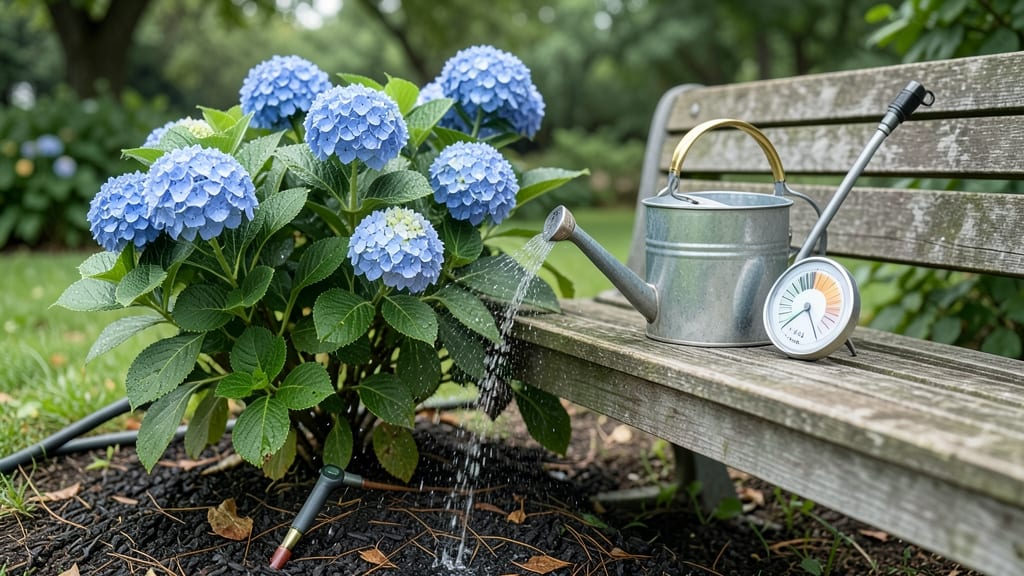
Watering your garden in the morning or evening makes a surprising difference in plant health, water efficiency, and even pest control—but most gardeners still guess wrong.
You might think timing doesn’t matter, but the wrong schedule can waste water, invite fungal diseases, or stress your plants. The science behind evaporation, humidity, and root activity reveals which method actually works best for your General Garden Plants 🌱 and your local climate.
Morning watering cuts down on evaporation and gives leaves time to dry, while evening sessions can lead to mildew in humid areas. I’ll break down the pros and cons, plus when to adjust based on your region and plant type.
Ready to stop wasting water and grow stronger, healthier plants? Here’s how to pick the perfect time for your garden’s needs.
Morning vs evening watering: how temperature and humidity affect plant growth
Choosing the right time to water your garden isn't just about convenience—it's a science-backed decision that affects root development, nutrient absorption, and even pest resistance. Most gardeners assume timing doesn't matter, but temperature shifts and humidity levels between morning and evening create dramatically different growing conditions.
Understanding these differences can double your water efficiency and reduce plant stress.
Morning watering (before 10 AM) allows water to penetrate deep into soil before the sun intensifies, while evening watering (after 4 PM) keeps foliage damp longer—creating ideal conditions for some plants but fungal risks for others.
The key lies in balancing evaporation rates, leaf moisture duration, and root activity cycles. Let's break down how these factors interact to determine the best watering schedule for your garden.
| Factor | Morning Watering (6-9 AM) | Evening Watering (5-8 PM) |
|---|---|---|
| Evaporation Rate | Low (cooler temps, less wind) | Moderate (warmer air, potential humidity) |
| Leaf Moisture Duration | Short (dries quickly in sunlight) | Long (higher humidity traps moisture) |
| Root Activity | Peak (cooler soil temps stimulate growth) | Moderate (roots still active but slower) |
| Nutrient Absorption | Optimal (roots absorb water efficiently) | Good (but may compete with evening transpiration) |
| Fungal Risk | Low (leaves dry quickly) | High (damp foliage overnight) |
| Water Efficiency | High (less wasted to evaporation) | Moderate (some loss to evening humidity) |
| Best For | Vegetables, herbs, drought-prone plants | Lawns, moisture-loving plants (with caution) |
The evaporation rate is the biggest differentiator between morning and evening watering. During morning hours, cooler temperatures and lower wind speeds mean water penetrates 60% deeper into soil compared to midday.
This deep watering encourages stronger root development, especially for vegetables like tomatoes and herbs like basil, which need consistent moisture at their root zones.
Evening watering, however, works better in humid climates where air remains moist longer. The trade-off? Damp foliage overnight creates perfect conditions for fungal diseases like powdery mildew and black spot.
If you live in a high-humidity zone, stick to morning watering or use drip irrigation to deliver water directly to soil—never overhead.
Root activity is another critical factor. Plants absorb 40% more water in the morning when soil temperatures are cooler. This peak absorption window (typically 6-9 AM) aligns with when roots are most active, giving your plants a nutrient boost to start their day.
Evening watering, while still beneficial, may not provide the same hydration efficiency because roots are winding down for the night.
For container gardens, morning watering is almost always the better choice. Pots dry out 3x faster than in-ground soil, and evening moisture can lead to root rot if containers don't drain well.
Pro tip: Water containers in the morning and place them in shaded areas during peak afternoon heat to reduce evaporation.
Climate plays a huge role in watering decisions. In arid regions, morning watering saves up to 30% more water by minimizing evaporation. But in coastal areas with frequent fog, evening watering can be effective—just avoid wetting leaves.
Always check your local weather patterns; if your area has high nighttime humidity, morning is safer.
Don't forget about seasonal adjustments. During summer, morning watering is non-negotiable to prevent leaf scorch from midday sun. In winter, you can water in the evening (when temps drop) to reduce frost damage, but always avoid over-saturating soil, which can lead to root suffocation in cold weather.
One common myth is that evening watering "keeps plants cool." In reality, wet leaves reflect sunlight, which can actually
Best watering schedule by plant type: when to water for maximum yield
Not all plants thrive on the same watering schedule, and timing matters just as much as how much you water. Vegetables like tomatoes and peppers need consistent moisture, while drought-tolerant succulents prefer infrequent deep waterings.
Even herbs and flowers have unique needs that change with seasons. Let’s break down the best watering times for each plant type to ensure your garden stays lush and productive.
Morning watering is ideal for most vegetables and herbs because it allows foliage to dry quickly, reducing fungal diseases like powdery mildew. Flowers also benefit from morning hydration, especially in hot climates where evening water can promote slug activity.
Meanwhile, lawns and grasses often fare better with deep evening waterings to combat daytime evaporation. Adjusting your routine based on plant type can make all the difference in yield and health.
🌱 Key Tip: Always water at the base of plants (not overhead) to minimize waste and disease risk. Use a soaker hose or drip irrigation for precision.
| Plant Type | Best Watering Time | Frequency | Seasonal Adjustments |
|---|---|---|---|
| Vegetables (Tomatoes, Peppers, Lettuce) | Morning (6-9 AM) | Daily (1-2 inches/week) | Increase in summer; reduce in winter |
| Herbs (Basil, Cilantro, Parsley) | Morning or Evening | Every 2-3 days | Reduce in humidity; avoid soggy soil |
| Flowers (Roses, Marigolds, Petunias) | Morning (early) | Every 2-4 days | Deep water in drought; less in rain |
| Lawns & Grasses | Evening (4-7 PM) | 2-3 times/week (deep soak) | Increase in heat; reduce in fall |
| Succulents & Cacti | Morning (infrequent) | Every 2-4 weeks | Skip in winter; soak thoroughly |
For vegetables, stick to morning watering to prevent fungal diseases like blight, which thrives in damp conditions. Tomatoes and peppers especially benefit from consistent moisture, but avoid waterlogging their roots. In contrast, herbs like basil and cilantro can handle evening watering, provided your climate isn’t overly humid.
Always check soil moisture with your finger—if the top inch is dry, it’s time to water.
Seasonal shifts demand flexibility. In summer, water more frequently but earlier in the day to combat evaporation.
In winter, reduce watering for most plants, except evergreens or container plants that dry out faster. Drought-tolerant plants like lavender or sedum can go weeks without water, while moisture-loving varieties like hostas need regular hydration. Adjust your schedule to match the season’s demands.
Pro tip: Use a rain gauge to track natural precipitation and avoid overwatering. Mulching around plants retains moisture and reduces evaporation, cutting down on your watering frequency by up to 30%. With the right schedule, your garden will thrive year-round—no guesswork required! 💧