
Watering
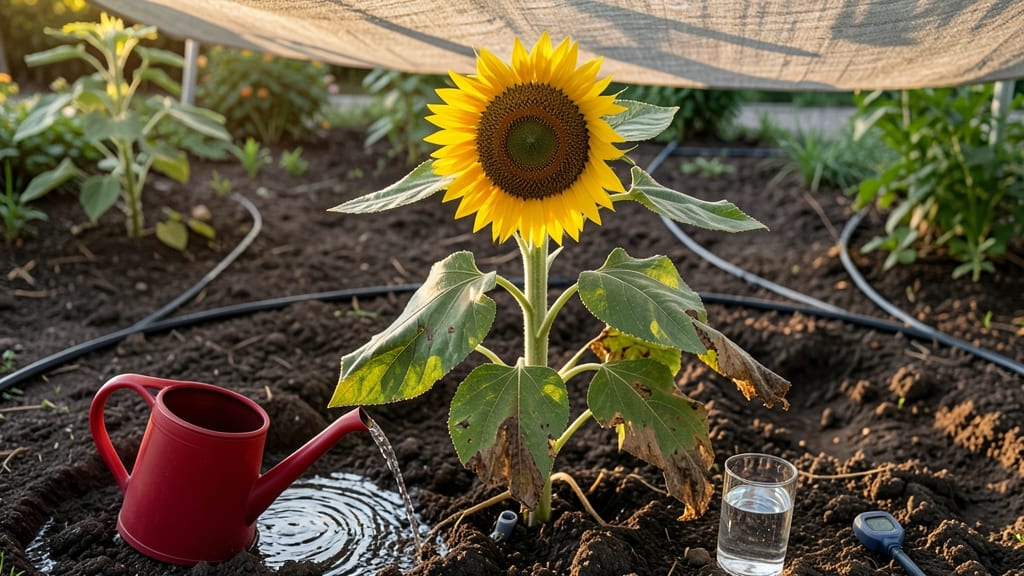
Watering your garden every day in hot weather can harm plants by causing root rot, fungal growth, and wasted water. Instead, water deeply 2-3 times per week, focusing on soil moisture and plant needs rather than frequency.
Daily watering in extreme heat actually stresses plants by preventing their roots from breathing properly. 🌱 When soil stays constantly damp, oxygen can't reach the roots, which suffocates them over time—this is why many plants wilt despite having "wet" soil.
The key is encouraging roots to grow deeper by giving them a thorough soaking less often, which builds resilience against drought.
Think about your garden's specific needs: leafy vegetables like lettuce need more frequent moisture, while perennials and shrubs can handle longer dry spells. I always check the top inch of soil—if it's dry, that's your cue to water.
Using soaker hoses or drip irrigation helps deliver water directly to roots without wasting precious resources on evaporation.
Timing matters too: watering in the early morning lets plants absorb moisture before the heat peaks, while evening watering can encourage fungal issues. For container plants, I've found they dry out faster and may need daily attention during heatwaves, but even then, a good soaking is better than light sprinkles.
💡 In This Article
- How Daily Watering Damages Plants in Heat
- Optimal Watering Schedule for Hot-Weather Gardens
How daily watering damages plants in heat
Daily watering in extreme heat creates a suffocating environment for plant roots. When soil stays perpetually damp, oxygen levels drop dramatically—roots need at least 10-20% air space to function properly. Without this, roots can't absorb nutrients efficiently, leading to yellowing leaves and stunted growth.
The worst part? This moisture also creates the perfect breeding ground for phytophthora fungi, which thrives in waterlogged conditions and can kill plants within weeks.
Shallow watering—like light sprinkles—only wets the top inch of soil, encouraging roots to stay near the surface where they dry out quickly.
This creates a cycle of stress where plants constantly seek moisture but never develop deep, drought-resistant root systems. 🌱 In contrast, deep watering 2-3 times per week pushes roots downward where soil stays cooler and moisture lasts longer.
Studies show plants with deep roots survive droughts 30-50% better than those with shallow root systems.
The damage doesn't stop at the roots—excessive moisture weakens plant cell walls, making stems more susceptible to breaking in wind or handling. I've noticed this most dramatically with tomatoes and peppers, where overwatering leads to blossom-end rot (caused by calcium deficiency) and cracked fruit skins.
The irony? Plants often wilt despite "wet" soil because their roots can't function properly in anaerobic conditions.
Another hidden consequence is nutrient leaching. Heavy watering flushes essential minerals like nitrogen and potassium out of the root zone, forcing plants to work harder to recover. This is why many gardeners see a temporary boost from daily watering—followed by a crash when roots can't keep up.
The solution? Test your soil's moisture level with a simple soil moisture meter or stick your finger 2-3 inches deep—if it's dry, that's your signal to water deeply.
Pests also take advantage of overwatered gardens. Slugs, snails, and fungal gnats thrive in damp conditions, turning your garden into a buffet.
I once had a basil patch completely devoured by slugs after switching to daily watering—until I switched to morning watering with 1 inch per week and saw the pests disappear within days. The lesson? Less frequent, deeper watering creates a healthier ecosystem where plants and beneficial insects can coexist.