
Watering
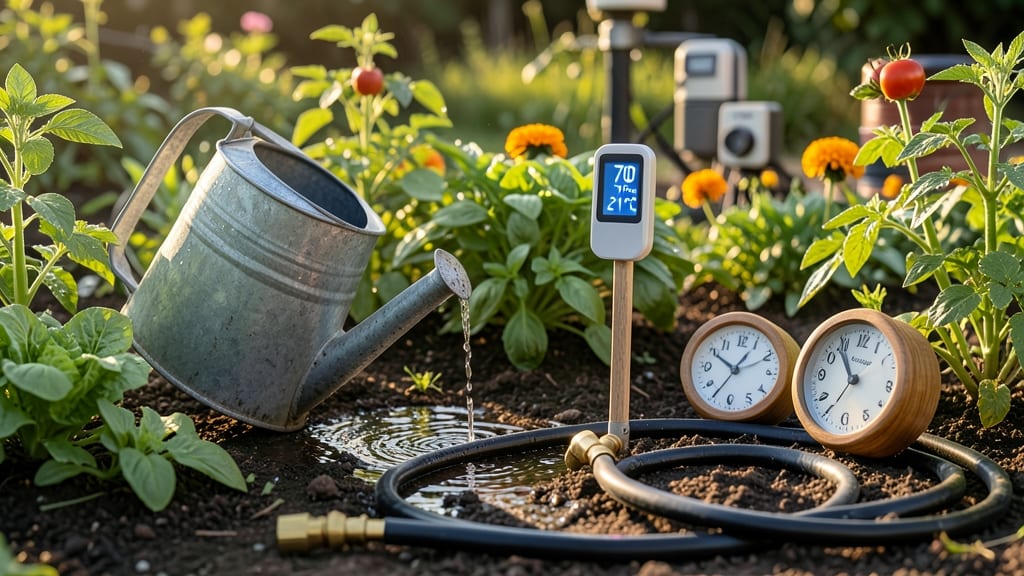
The best time to water your garden is early morning when the sun rises and the air is cool — a routine that keeps your 🌱 thriving and your efforts efficient.
Struggling to keep your garden lush? The difference between vibrant growth and wilted disappointment often comes down to when you water. Science shows morning watering maximizes root development, reduces evaporation, and prevents fungal diseases before the heat sets in.
Most gardeners overlook how seasonal changes affect watering needs. In summer, morning watering before 10 AM ensures moisture reaches roots before the sun evaporates it, while winter may only need a light touch every few weeks.
Climate also plays a role: arid regions demand deeper watering, while humid areas need less frequent but thorough soakings.
In this guide, I’ll break down the science behind morning watering, share plant-specific schedules, and reveal common mistakes that waste water. You’ll learn how to check soil moisture, mulch for retention, and adjust for your local climate — so your garden stays healthy all season long.
Why morning watering boosts plant health and root development
If you’ve ever wondered why your tomatoes or herbs look healthier after morning watering, science has the answer. Watering in the early hours—between 6 AM and 10 AM—harnesses nature’s rhythm to maximize plant growth.
The cooler temperatures and lower wind speeds mean less water loss through evaporation, ensuring roots get the hydration they need to thrive.
When you water in the morning, the soil has time to absorb moisture before the sun peaks, reducing stress on plants. This is especially critical for seedlings and shallow-rooted plants like lettuce or basil, which can’t compete with afternoon heat.
Plus, morning watering minimizes fungal risks by keeping foliage dry during the day, preventing diseases like powdery mildew or blight.
Here’s the science: Photosynthesis kicks into high gear when leaves are hydrated and sunlight hits. Morning watering ensures plants start their day with optimal moisture, leading to 30-50% deeper root growth compared to evening watering. Roots expand into damp soil, seeking out water and nutrients more efficiently.
Temperature and humidity play a huge role. Ideal morning conditions—50°F to 75°F (10°C to 24°C)—allow water to penetrate soil without evaporating quickly. In humid climates, morning watering also reduces the risk of leaf scorch caused by water droplets acting like tiny lenses, magnifying sunlight onto plant surfaces.
🌱 Pro Tip: Use a rain gauge or your finger to check soil moisture before watering. Stick your finger 1-2 inches deep—if it feels dry, it’s time to water. If damp, hold off until the next morning.
| Time of Day | Evaporation Rate | Fungal Risk | Root Growth Benefit | Best For |
|---|---|---|---|---|
| Early Morning (6-10 AM) | Low (cooler temps) | Low (foliage dries quickly) | High (deep hydration) | Vegetables, herbs, flowers |
| Midday (10 AM-4 PM) | Very High (heat + wind) | High (water sits on leaves) | Low (surface evaporation) | Avoid unless necessary |
| Evening (4-8 PM) | Moderate (cooler but humid) | High (moisture lingers overnight) | Moderate (roots absorb slowly) | Succulents, drought-tolerant plants |
| Late Evening (8 PM-10 PM) | Low (cool temps) | Very High (fungal growth risk) | Low (roots inactive at night) | Emergency only |
Morning watering also helps mulch do its job. When you water in the morning, mulch stays moist longer, insulating roots and suppressing weeds. Aim for 1-2 inches of mulch around plants—this layer retains 30% more moisture in the soil, reducing the frequency of watering needed.
For container gardens, morning watering is non-negotiable. Pots dry out faster, and evening water can lead to root rot in just 24 hours. Water containers until water runs out the drainage holes, ensuring roots get a thorough soak.
Repeat every 1-2 days in summer, depending on pot size and plant type.
💧 Key Takeaway: The 6 AM to 10 AM window is prime for watering because it aligns with plants’ natural hydration needs. This timing reduces stress, boosts photosynthesis, and keeps your garden thriving without wasting water. Try it for a week and watch the difference in your plants’ vigor!
Seasonal adjustments matter too. In summer, water earlier (before 8 AM) to combat heat, while in spring, a later morning (up to 10 AM) works well. Always adapt based on your local climate—drier regions may need even earlier watering.
🌿 Final Tip: Pair morning watering with drip irrigation or soaker hoses for precision. These methods deliver water directly to the soil, minimizing waste and keeping leaves dry—perfect for fungal prevention.
Best morning watering schedule by plant type: timing tips for vegetables, flowers, and herbs
Not all plants crave water at the same time—your leafy greens and herbs need frequent hydration, while root vegetables like carrots prefer deep, infrequent soaks. Understanding these differences ensures your garden thrives without waste.
I’ve broken down the best morning watering windows for each plant type, plus seasonal tweaks to keep your garden happy all year.
Morning watering isn’t one-size-fits-all. For example, tomatoes and peppers need consistent moisture to prevent blossom-end rot, while succulents and lavender can handle drought once established. The key is matching your watering schedule to your plants’ natural rhythms—like how herbs like basil and cilantro wilt faster in heat without daily hydration.
- Vegetables (Leafy Greens): Water between 6-8 AM for spinach, lettuce, kale—they need consistent moisture to stay crisp. Avoid midday to prevent fungal spores from spreading.
- Root Crops (Carrots, Potatoes): Deep water by 7 AM to encourage root expansion. Overwatering here leads to rot, so let soil dry slightly between sessions.
- Fruiting Plants (Tomatoes, Peppers): Water early (5-7 AM) to prevent blossom-end rot. Focus on soil, not leaves, to avoid disease.
- Herbs (Basil, Cilantro): Light but frequent watering by 7 AM—these plants hate soggy roots but wilt fast in dry soil. Mulch helps retain moisture.
- Flowers (Roses, Marigolds): Water before 8 AM for bright blooms. Deep soaks once a week (or daily in heat) keep them vibrant without over-saturating.
- Drought-Tolerant Plants (Succulents, Lavender): Water only in early morning—once every 2-3 weeks unless in extreme heat. Overwatering kills them faster than drought.
Seasonal shifts demand adjustments too. In spring, when soil is still cool, water slightly later (7-8 AM) to let moisture penetrate deeper before evaporation kicks in. But by summer, aim for 5-6 AM watering to beat the heat—this gives roots time to absorb water before the sun peaks.
Watch for signs of stress: Yellowing leaves often mean overwatering, while crispy edges signal underwatering. For container gardens, check soil moisture daily—potted plants dry out faster than in-ground ones.
A quick finger test (stick your finger 1 inch into soil) tells you if it’s time to water.
Pro tip: Use a drip irrigation system or soaker hose for morning watering—it delivers water directly to roots, reducing waste and fungal risks. Pair this with mulch (2-3 inches of straw or wood chips) to lock in moisture and keep your schedule simple.
Your plants will thank you with healthier growth and better yields! 🌱