
Pests
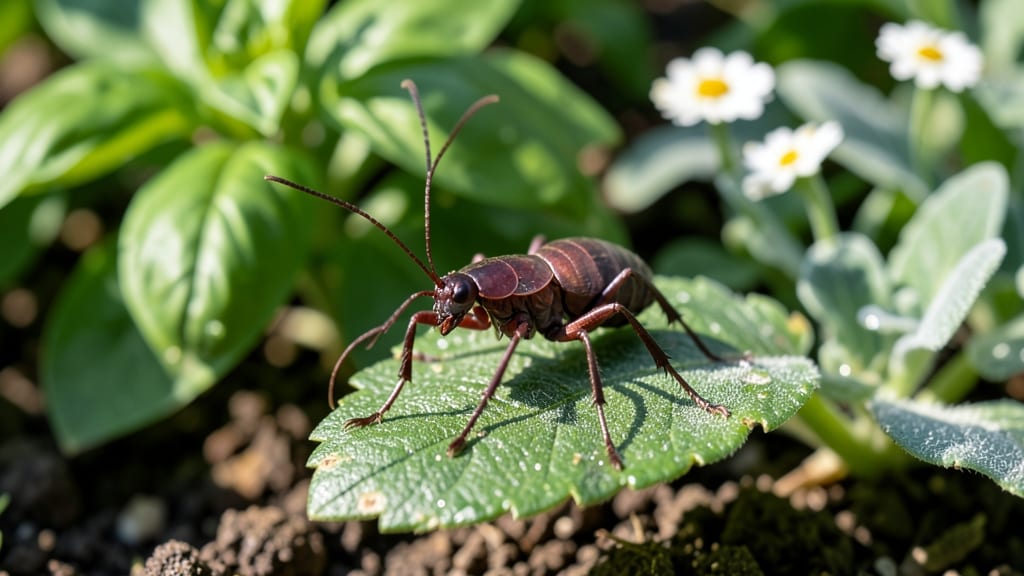
Common garden insects by visual identification and damage patterns
Identifying garden pests quickly can save your plants from irreversible damage. Many insects leave behind distinctive signs—whether it's skeletonized leaves, sticky residue, or visible webbing.
I've organized the most destructive garden insects by their physical traits and the damage patterns they create, so you can spot them before they spread. This guide covers the most common culprits you'll encounter in your garden.
Visual identification starts with understanding body shape, coloration, and movement patterns. For example, aphids are tiny green or black insects clustered on new growth, while Japanese beetles have copper-colored wings and chew notches into leaf edges.
Below, I've created a quick-reference table to help you match what you see in your garden to the right insect—and the damage it causes.
| Insect Name | Visual Traits | Damage Signs | Season Active | |||||||||||||||||||||||
|---|---|---|---|---|---|---|---|---|---|---|---|---|---|---|---|---|---|---|---|---|---|---|---|---|---|---|
| Aphids | Green, black, or yellow; pear-shaped bodies | Sticky honeydew, curled leaves, black sooty mold | Spring-Summer | |||||||||||||||||||||||
| Cucumber Beetles | Yellow with black stripes, 1/4" long | Chewed holes in leaves, scalloped edges | Summer-Fall | |||||||||||||||||||||||
| Japanese Beetles | Metallic green head, copper wings, 1/2" long | Notched leaf edges, skeletonized foliage | June-August | |||||||||||||||||||||||
| Tomato Hornworms | Green caterpillars with white stripes, up to 4" | Large chewed holes in leaves, stripped stems | Summer | |||||||||||||||||||||||
| Spider Mites | Red or yellow, tiny (barely visible) | Fine webbing, speckled leaves, yellowing | Summer-Drought | |||||||||||||||||||||||
| Whiteflies | White, fly-like when disturbed, 1/16" long | Sticky residue, yellowing leaves, curling | Summer-Fall | |||||||||||||||||||||||
| Cutworms | Brown or green caterpillars, looping when disturbed | Severed stems at soil line, missing seedlings | Nighttime (all seasons) | |||||||||||||||||||||||
| Grubs (White Grubs) | C-shaped, white or tan, up to 1" | Wilted grass, uneven lawn, chewed roots | Spring-Fall | |||||||||||||||||||||||
| Leafhoppers | Small, wedge-shaped, often green or brown | Speckled leaves, yellowing, h
How to use damage clues to identify garden pests without a magnifying glassWhen your plants start showing unusual markings or chewed edges, the first step is to examine the damage patterns closely. Each insect leaves behind a distinct signature, whether it's tiny holes, sticky residue, or skeletonized leaves. By focusing on these visual clues, you can often narrow down the culprit without ever seeing the insect itself. Start by inspecting leaf surfaces for specific bite marks. For example, aphids leave behind curled or sticky leaves, while caterpillars create large, irregular holes. Even the shape of the damage can reveal a lot—straight edges might signal beetles, while serrated edges could point to moth larvae. Pay attention to new growth first, as pests often target tender leaves. Next, check the undersides of leaves and stem junctions for hidden signs. Many insects, like thrips or mites, prefer to hide in these areas. Look for tiny webs, eggs clusters, or frass (insect droppings). If you spot silver streaks on leaves, it’s often a sign of leaf miners, while yellowing between veins suggests aphid infestations.
Don’t forget to examine stems and roots, as some pests target these areas first. Sawdust-like frass at the base of a plant often indicates borers, while chewed stems could mean cutworms are active. If you notice unusual growths like galls or swollen buds, these are often signs of wasps or midges laying eggs. Finally, time your inspection to match the pest’s active periods. Many insects are most visible in the early morning or late afternoon. If you’re still unsure, shake plants gently over a white tray—you might spot the culprit in action. Remember, beneficial insects like ladybugs or lacewings also leave clues, such as lace-like patterns or tiny eggs on leaves. By mastering these damage clues, you’ll become a garden detective, able to identify pests quickly and take targeted action before your plants suffer. The key is to observe regularly and act fast—your garden’s health depends on it! 🌱🔍 |