
Picking
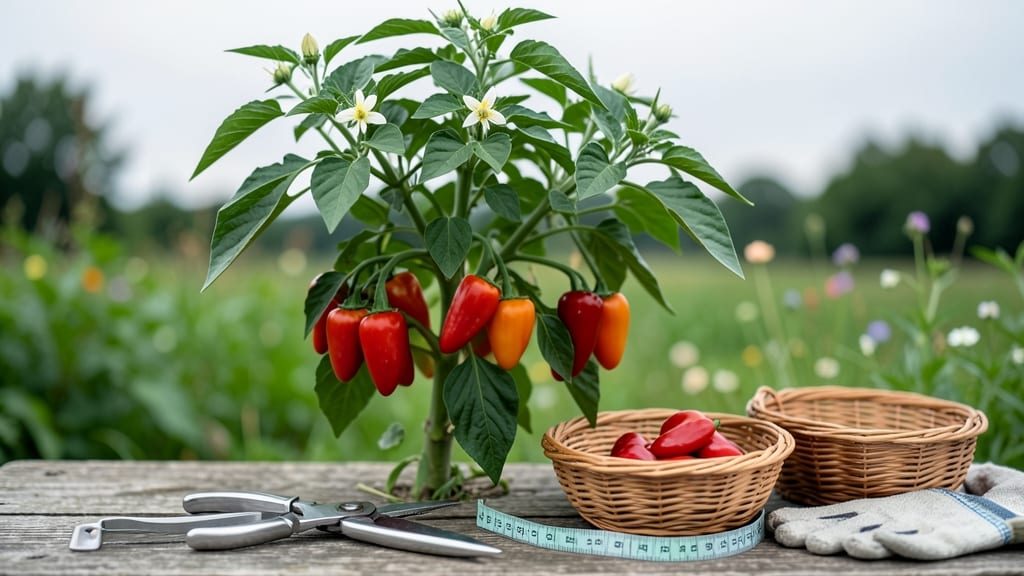
Picking garden salsa peppers at the right time ensures fiery, flavorful harvests perfect for your favorite dishes.
Timing is everything when harvesting salsa peppers—pick too early, and you’ll sacrifice heat and flavor; too late, and they turn bitter or mealy. Mastering the color-changing cues ensures fiery, vibrant peppers perfect for salsa every time.
From bright green to deep red, yellow, or orange, each color stage signals a different heat level and texture. Learn to read your peppers like a pro to avoid overripe or underripe mistakes that ruin your salsa.
Below, I’ll break down the exact ripeness indicators—color, size, and firmness—plus the best harvesting practices to keep your peppers tasting fresh for weeks.


Salsa pepper ripening stages by color: when to harvest for maximum heat
Harvesting salsa peppers at the right color stage transforms your garden bounty from bland to fiery deliciousness. The journey from green to red/yellow/orange isn't just about aesthetics—it's a heat and flavor evolution that determines whether your salsa packs a punch or falls flat.
Each color shift signals changing capsaicin levels (the compound responsible for heat) and sugar content, which directly impact your salsa's final character.
For example, green peppers are harvested early and pack mild heat with a crisp, tangy flavor, while red or orange peppers develop deeper sweetness and intensified heat as they ripen. Understanding these stages helps you decide whether to harvest for bright acidity (green) or rich complexity (mature colors).
The key is observing your plants daily—colors change rapidly in late summer heat, especially in USDA Zones 7-10.
🌶️ Pro Tip: Some varieties like Jalapeño or Serrano turn red when fully ripe, while others like Poblano mature to deep green or Shishito stay light green. Always check your seed packet for variety-specific cues.
| Color Stage | Heat Level (Scoville) | Flavor Profile | Best For | Harvest Window |
|---|---|---|---|---|
| Green | 500-2,500 SHU | Crisp, tangy, mild heat | Raw salsas, pickling | 60-75 days |
| Yellow/Orange | 2,500-8,000 SHU | Sweet, fruity, balanced heat | Roasted salsas, fresh eating | 75-90 days |
| Red | 5,000-15,000+ SHU | Deep, smoky, intense heat | Classic salsas, drying | 90+ days |
| Purple/Black | 3,000-10,000 SHU | Earthy, complex, medium heat | Grilled salsas, fermented | 80-100 days |
The green stage is where most home gardeners harvest jalapeños or serranos for their signature bright acidity. These peppers are firm and glossy, with thin walls and a crisp bite perfect for raw salsas.
However, if you wait for them to turn red or orange, the sugar content doubles, and the heat becomes 30-50% more intense. For example, a jalapeño at 2,500 SHU green can jump to 8,000 SHU when red—enough to make your salsa legitimately spicy.
Watch for color consistency across the pepper—uneven hues mean it’s not fully ripe. Red peppers, in particular, develop a deep, glossy finish that’s impossible to miss.
If you’re growing habaneros or ghost peppers, these will turn bright orange or red and may even wrinkle slightly at the stem, signaling peak ripeness. The texture shifts too: walls thicken, and the flesh becomes softer and more aromatic, ideal for slow-cooked salsas.
Climate plays a huge role in ripening speed. In hot, dry climates like Zone 10, peppers ripen in 60-70 days, while cooler Zones 5-6 may need 90+ days.
If your summer is short, harvest green for fresh use or yellow for storage. Overripe peppers (wrinkled, dull colors) lose heat and develop bitter, mealy interiors, ru
How to test pepper ripeness beyond color: tactile and taste indicators
Color alone isn’t always the best indicator of ripeness for salsa peppers. Some varieties change hues unevenly, while others stay green until fully mature. That’s why I rely on three tactile tests to confirm doneness: firmness, seed development, and stem separation.
These methods help me avoid underripe peppers that lack heat or overripe ones that turn mealy—both of which ruin salsa texture.
First, check the skin firmness by gently pressing a pepper. A ripe pepper should feel slightly springy but not soft or wrinkled. If it dents easily, it’s overripe. For jalapeños or serranos, the skin should also have a glossy sheen, indicating peak moisture and flavor.
This test works best in the morning when peppers are cool and firmest.
Next, examine the seeds and inner membrane. Cut a pepper lengthwise and look for fully developed, dry seeds and a white or slightly yellow membrane. If the seeds are still green or translucent, the pepper needs more time.
For salsa use, I prefer peppers where the seeds are dry but the flesh remains crisp—this balance ensures heat without bitterness.
Finally, test the stem separation. Gently twist the pepper at its base; it should detach cleanly without tearing. If the stem resists or pulls away with the pepper, it’s not fully ripe.
This method is especially useful for pepper varieties like habaneros, which can stay green until they’re ready to harvest. Always use clean, sharp pruning shears to avoid damaging the plant.
⚠️ callout warning ⚠️
🚨 Warning: Overripe Peppers Ruin Salsa!
Overripe peppers develop a wrinkled skin and soft flesh, turning bitter and mealy—ideal for compost, not salsa. If you spot dark spots or mushy texture, harvest immediately or remove them to save the rest. For jalapeños, harvest within 2-3 days of full color to lock in heat and crispness.
Pro Tip: Taste-test a small piece! A ripe pepper should have a bold, crisp flavor with no lingering bitterness. If it tastes bland, it’s underripe; if it’s overly sharp, it’s past its prime.
For green salsa peppers like poblano or serrano, I also rely on size consistency. Fully ripe peppers reach their expected variety size—typically 2-4 inches long—and feel heavy for their size.
If a pepper is large but hollow-sounding when tapped, it’s overripe. Always harvest in the morning when temperatures are cooler, as peppers soften in heat.
Lastly, trust your taste buds. Cut a small slice and let it sit for 30 seconds to develop its heat. A ripe pepper should deliver immediate, balanced heat without numbing your mouth.
If it’s too mild, it’s underripe; if the heat lingers uncomfortably, it’s overdone. For salsa peppers, this taste test is the final judge of ripeness—no color chart or firmness test beats it!