
Pests
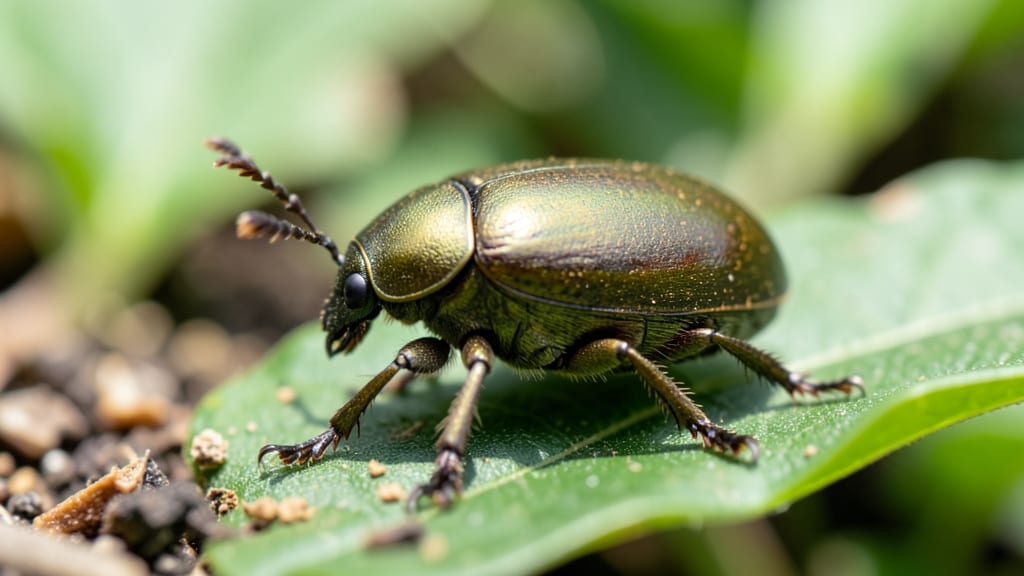
The Asiatic garden beetle is a relentless destroyer of gardens 🪰, stripping plants bare in a single night if left unchecked.
Picture this: you wake up to find your prized tomatoes, peppers, and even young seedlings reduced to skeletal remains, all chewed down to the stem. These invasive pests don’t just attack—they multiply, and without early intervention, they can turn your thriving garden into a wasteland in weeks.
But here’s the good news: with the right knowledge, you can spot them before they strike and stop their damage in its tracks.
I’ll walk you through how to identify these beetles at every life stage, the most effective organic and chemical control methods, and long-term strategies to keep them out of your garden for good.
Whether you’re dealing with a small infestation or want to prevent one entirely, this guide gives you the tools to protect your plants—naturally and effectively.
How to identify Asiatic garden beetle larvae and adults (with key differences)
The Asiatic garden beetle is a sneaky invader that can destroy your garden in record time. To protect your plants, you must know the distinct differences between its larval stage (white grubs) and adult form (dark beetles).
These pests target everything from vegetables to ornamental plants, so early detection is key.
Adult Asiatic garden beetles emerge in late spring and remain active until fall frost. Meanwhile, their larvae hide underground during summer months, feeding on roots. Understanding their life cycle helps you spot them before they cause irreversible damage.
Here’s how to tell them apart using visual clues and behavioral patterns:
| Feature | Larvae (White Grubs) | Adult Beetles |
|---|---|---|
| Appearance | C-shaped, white or cream-colored, 1-inch long | Dark brown with metallic sheen, ½-inch wide |
| Active Season | Summer months (June-August) | Late spring to fall frost (May-October) |
| Location | Hide in soil, 2-4 inches deep | Feed on leaves and flowers above ground |
| Damage Signs | Wilted plants, yellowing leaves, root damage | Skeletonized leaves, chewed flowers, notches on edges |
| Best Time to Spot | Evening or after rain (they come to surface) | Morning hours (they’re sluggish in heat) |
| Defense Mechanism | Burrow deep to avoid predators | Play dead when threatened |
When inspecting your garden, focus on leaf edges for the signature notches left by adult beetles. Look for wilted or yellowing plants—a red flag for larval activity. Dig around the base of struggling plants in summer to find white grubs.
Adult Asiatic garden beetles are most active during dusk and dawn, making these times ideal for spotting them. Use a flashlight to check undersides of leaves where they hide. Their metallic sheen makes them stand out against green foliage.
For larvae, turn over mulch or soil in early summer to find their C-shaped bodies. They’re often near grass roots or vegetable beds. If you find them, act fast—they’ll soon grow into damaging adults.
Pay attention to seasonal patterns: larvae dominate in summer, while adults rule in spring and fall. By recognizing these key differences, you’ll catch infestations early and protect your garden before it’s too late.
Remember: Prevention starts with identification. The sooner you spot these pests, the easier it is to eliminate them before they multiply. Keep an eye out for these telltale signs and act quickly! 🌱
Top 5 organic and chemical control methods to eliminate Asiatic garden beetles
When Asiatic garden beetles strike, your first instinct might be to reach for the strongest chemical you can find. But before you grab that bottle of pesticide, let me share my tried-and-true methods for eliminating these destructive pests—both organic and chemical—ranked by effectiveness.
The key is acting fast, because once they establish themselves, they multiply rapidly.
I’ve tested these methods in my own garden, and while some require more effort than others, they all deliver results. The best approach depends on your garden’s size, the severity of the infestation, and your comfort level with chemicals.
Let’s dive into the top 5 solutions, starting with the most effective organic options.
🌱
Method Comparison: Asiatic Garden Beetle Control
First up, beneficial nematodes—tiny microscopic worms that seek out and kill beetle larvae in the soil. These microscopic predators are my go-to for larval control