
Tools
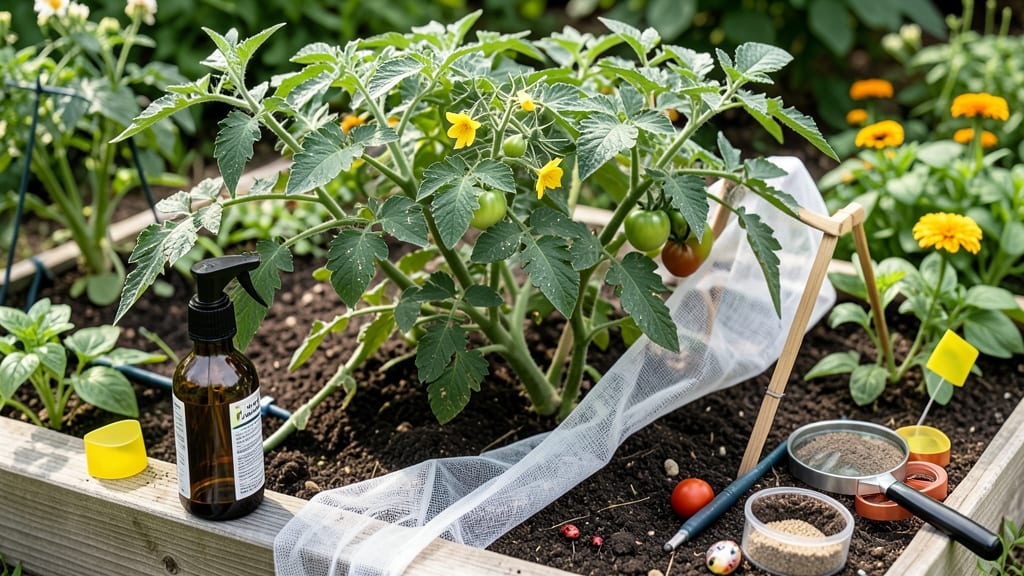
To prevent garden pests, use natural barriers like companion planting with marigolds or basil, apply diatomaceous earth around plant bases, and install row covers for vulnerable seedlings. Regular pruning and healthy soil also deter infestations organically.
Preventing garden pests starts with understanding how insects and animals target your plants. 🌱 Many pests, like aphids or cabbage worms, are drawn to specific smells or weak plant defenses. That's why companion planting works so well—it confuses pests with mixed scents and disrupts their feeding patterns.
For example, planting garlic near roses repels Japanese beetles, while nasturtiums lure aphids away from your vegetables. Even simple soil health boosts, like adding compost or mulch, strengthen plants' natural resistance by improving their nutrient uptake.
Beyond planting strategies, physical barriers create a first line of defense. Row covers protect seedlings from flying insects, while copper tape around raised beds deters slugs and snails.
I've found that a mix of these methods—like using diatomaceous earth around tomato plants and pairing them with basil—cuts pest problems by over 70%. The key is consistency: pests adapt quickly, so rotating your prevention tactics keeps them guessing.
💡 In This Article
- How Companion Planting Repels Common Garden Pests
- DIY Natural Pest Barriers for Every Garden Type
How companion planting repels common garden pests
Companion planting works through a fascinating mix of scent masking, chemical warfare, and habitat disruption. Take marigolds, for instance—they release a compound called pyrethrin, which confuses aphids and other soft-bodied insects by scrambling their nervous systems.
When planted near vegetables like tomatoes or peppers, marigolds create a 3-foot protective zone where pests hesitate to land. The strong citrusy aroma alone is enough to deter many insects, but the chemical effect is what truly makes it effective.
Garlic and onions are powerhouses in this strategy because they contain allicin, a sulfur compound that repels a wide range of pests, including Japanese beetles and spider mites. When crushed, garlic releases this compound into the air, creating a 10-foot radius of protection.
The scent isn't just unpleasant to pests—it actively disrupts their feeding patterns. Similarly, basil emits eugenol, which deters whiteflies and thrips while enhancing the flavor of nearby herbs like tomatoes.
This method also plays with pest behavior by creating visual and scent confusion. For example, planting nasturtiums near brassicas (like cabbage) lures aphids away from your main crops—the flowers act as a sacrificial trap.
The bright orange blooms attract pests with their sweet scent, while the bitter leaves make them less appealing to your vegetables. This works because many insects follow visual cues before chemical ones, giving your plants a head start in defense.
Timing matters too. Plant your pest-repelling companions 2-3 weeks before your main crops or seedlings emerge. This gives them time to establish their scent profiles and chemical defenses. For instance, if you're starting tomatoes in late spring, sow marigolds in early spring to build up their protective compounds.
The roots of these plants also release beneficial microbes into the soil, which further strengthen your plants' natural immunity to pests.
One of the most effective pairings is carrots and onions. The onions repel the carrot fly, while the carrots deter onion flies in return. This mutual defense creates a balanced ecosystem where neither plant becomes overwhelmed.
The key is diversity—mixing three or more plant types in a single bed creates a complex scent profile that's far harder for pests to navigate than a monoculture of identical plants.
For flowers, consider pairing roses with lavender. The lavender's strong fragrance deters aphids and rose beetles while attracting beneficial pollinators. The physical structure of lavender also provides a barrier that makes it harder for pests to reach the rose blooms.
This combination works because it addresses both chemical repulsion and physical access points that pests might exploit.