
Watering
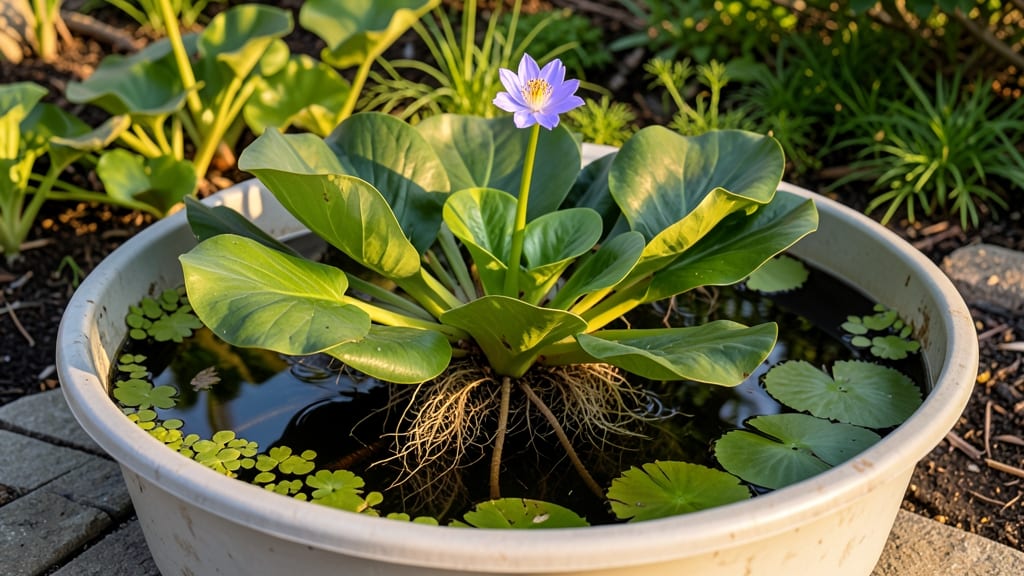
Growing container water garden plants brings the soothing beauty of a pond to even the tiniest balcony or patio—no backyard required.
Picture this: a serene mini-oasis that hums with life, where dragonflies sip from lotus blooms and your morning coffee feels even more peaceful. The best part? These plants don’t demand a full-time job—they just need the right container, a little sunlight, and consistent watering.
Whether you’re drawn to floating water lilies, hardy marginals, or tropical picks, I’ll walk you through the easiest varieties for small spaces, how to pick the perfect container, and the simple tricks to keep your water garden thriving all season long.
By the end, you’ll know exactly which plants suit your climate, how to set them up for success, and the low-maintenance routine that keeps them stunning with minimal effort.
Top 7 low-maintenance container water plants for beginners
Creating a container water garden doesn’t require a backyard pond—just a few hardy aquatic plants and a small container. These low-maintenance varieties bring stunning blooms, lush foliage, and calming water features to balconies, patios, or even windowsills.
Whether you love floating plants, marginal plants, or water lilies, these options thrive with minimal effort while attracting pollinators and adding serenity to your space.
For beginners, the key is selecting plants that tolerate partial shade, variable water levels, and small containers. Many of these container water garden plants are cold-hardy, meaning they’ll survive winter in USDA Zones 5-9 with proper care.
Below, I’ve curated the top 7 easiest aquatic plants to grow in containers, including their care needs, space requirements, and best companions for a balanced ecosystem.
⚠️ PRO TIP: Always use aquatic soil or a 50/50 mix of potting soil and perlite to prevent compaction. Avoid garden soil, which can clog drainage and harm roots. Most containers need drainage holes to prevent root rot, though some floating plants can thrive in decorative bowls without drainage.
| Plant | Type | Sun Needs | Water Depth | Container Size | Maintenance |
|---|---|---|---|---|---|
| Water Lily (Nymphaea) | Submerged | Full sun (6+ hrs) | 12-24 inches | 15-20 gallon | Trim dead foliage; divide tubers every 3 years |
| Dwarf Water Lotus (Nelumbo nucifera) | Floating | Full sun | 6-12 inches | 10-15 gallon | Remove spent blooms; winterize in cold climates |
| Pickerelweed (Pontederia cordata) | Marginal | Partial shade | 1-3 inches | 5-10 gallon | Cut back in fall; divide clumps every 2 years |
| Water Hyacinth (Eichhornia crassipes) | Floating | Full sun to partial shade | 0 inches (floats) | 5-10 gallon (wide bowl) | Remove excess plants; invasive in warm climates |
| Sweet Flag (Acorus calamus) | Marginal | Partial shade | 1-2 inches | 3-5 gallon | Prune in early spring; drought-tolerant |
| Dwarf Cattail (Typha minima) | Marginal | Full sun | 1-2 inches | 5-10 gallon | Trim brown seed heads; cold-hardy to Zone 4 |
| Frogbit (Limnobium spongia) |