
Tools
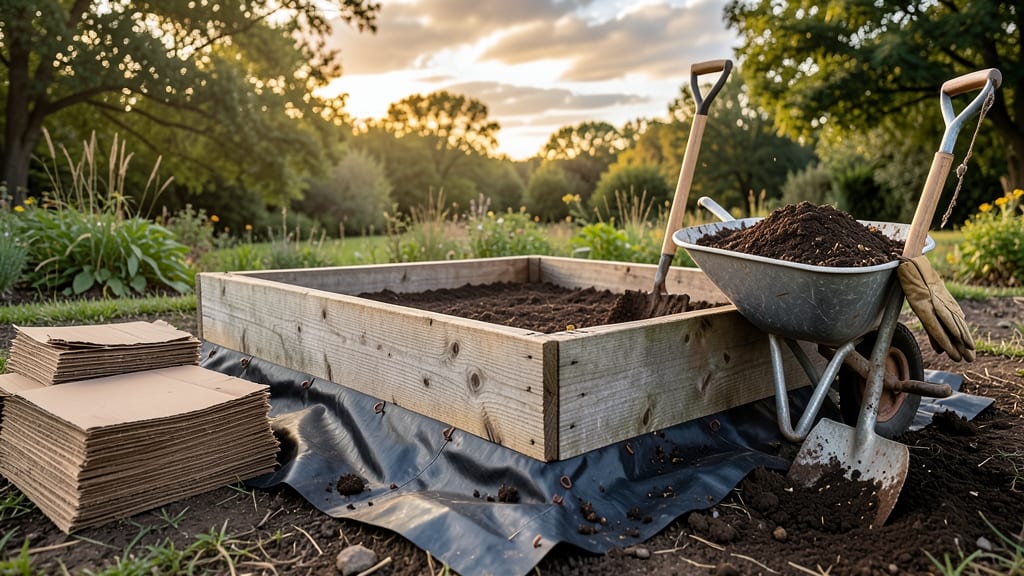
To make a garden bed, mark the area, remove grass or weeds, loosen soil with a shovel or tiller, and layer compost or aged manure for drainage and nutrient-rich soil. Keep edges defined with mulch or edging material for a neat finish.
Creating a garden bed isn't just about digging—it's about building a foundation for healthy plant growth. 🌱 The key is balancing organic matter with your existing soil to improve aeration and moisture retention.
I've found that adding a 2-3 inch layer of compost on top of loosened soil works wonders for root development, while mulch helps retain moisture and suppress weeds. For best results, choose a location with at least 6 hours of sunlight and well-draining soil to prevent waterlogging.
Don't underestimate the importance of preparation—removing weeds and grass first prevents competition for nutrients. Using a rototiller or broadfork makes this process faster, especially in larger areas. And if you're working with clay soil, adding sand or perlite can further enhance drainage for root health.
💡 In This Article
- Best Layering Techniques for Healthy Garden Soil
- Choosing the Right Location and Materials for Garden Beds
Best layering techniques for healthy garden soil
Soil layering isn't just about piling materials—it's about creating a balanced ecosystem where roots can thrive. The foundation starts with a 4-6 inch layer of loose native soil at the bottom, which provides the structural base.
Above this, add a 2-3 inch layer of coarse organic matter like wood chips or straw to improve drainage while preventing compaction. This mimics natural forest floors where fallen leaves decompose slowly, releasing nutrients over time.
The magic happens in the middle layer where you blend equal parts compost and topsoil. Compost introduces beneficial microbes that break down organic material, releasing nutrients plants need, while topsoil provides the mineral structure roots anchor to.
For example, a 12-inch deep bed might have 4 inches of topsoil, 4 inches of compost-topsoil mix, and 4 inches of coarse organic matter. This gradient prevents waterlogging while ensuring roots have access to both oxygen and moisture.
What most people overlook is the top dressing—always finish with 1-2 inches of mulch. Organic mulches like shredded bark or straw regulate soil temperature by insulating roots during heatwaves and protecting them from freezing.
In my vegetable beds, I've seen mulch reduce watering needs by 30-50% while keeping soil pH stable. The key is to keep mulch 2-3 inches away from plant stems to prevent rot.
For heavy clay soils, incorporate 20-30% perlite or coarse sand into your compost layer. This creates air pockets that improve aeration, which is crucial since clay soils can become waterlogged after rain.
I've transformed stubborn clay patches by adding 1 gallon of perlite per 10 square feet—the difference in root growth is dramatic. Conversely, sandy soils benefit from extra compost to improve water retention.
Timing matters too. The best time to layer is in early spring or fall when soil temperatures are moderate. In hot climates, layering in summer can cause compost to heat up too quickly, potentially burning plant roots.
For container gardens, use the same principles but scale down: 60% potting mix, 30% compost, and 10% perlite by volume works exceptionally well for herbs and small vegetables.
Remember that soil is a living system—each layer plays a specific role in the nutrient cycle. The compost layer acts like a slow-release fertilizer, while the mulch protects the entire ecosystem from erosion and temperature extremes.
By understanding these interactions, you're not just creating a garden bed—you're building a self-sustaining environment where plants can flourish with minimal intervention. 🌿