
Planting
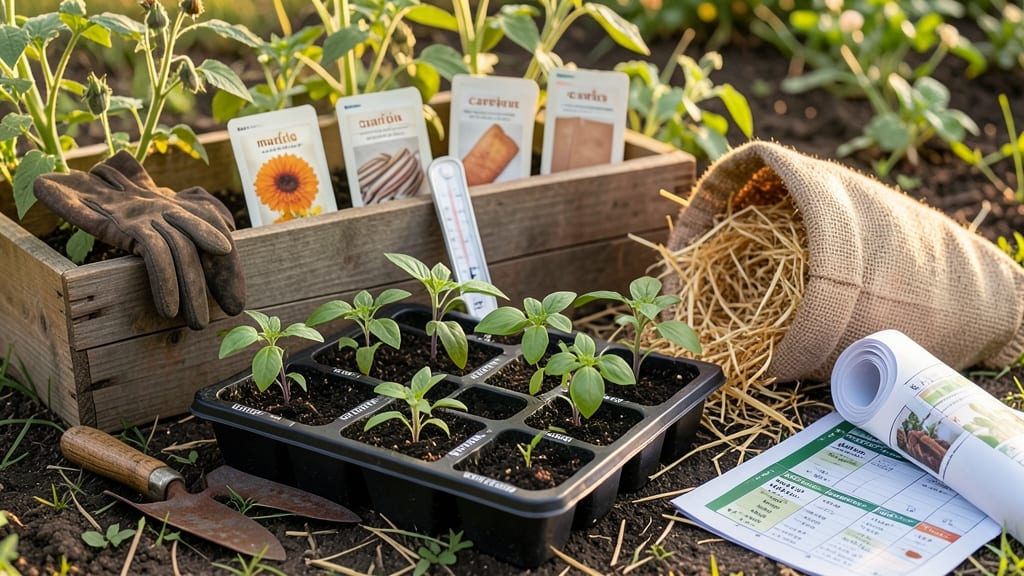
To plant a garden in Pennsylvania, timing depends on soil temperatures—wait until the ground warms to at least 50°F for cool-season crops and 60°F+ for warm-season favorites like tomatoes.
Pennsylvania’s unpredictable spring weather can turn your gardening dreams into a gamble—unless you know the exact soil temperature secrets that separate thriving gardens from failed plantings.
One year, my peas emerged in April only to crisp under a late frost, while last summer’s zucchini bolted before I could harvest a single fruit.
This isn’t just about avoiding frost—it’s about giving your plants the perfect start by aligning their needs with your local microclimate. Whether you’re in the cooler Zone 5 of the Poconos or the milder Zone 7 near Philadelphia, the right soil temp makes all the difference.
Here’s how to pinpoint your planting window, test soil readiness without fancy tools, and avoid the three biggest mistakes that waste weeks of gardening time—so you can finally grow that bountiful harvest you’ve been dreaming of.
Pennsylvania planting zones & ideal soil temperatures by region
Pennsylvania spans USDA Zones 5-7, meaning your planting schedule should shift from northwest mountains to southeastern plains. The key to success? Soil temperature—not just air temperature—which can vary by 10-15°F between regions.
Cool-season crops like spinach and peas thrive at 50°F+, while warm-season favorites such as tomatoes and peppers need 60°F+ to germinate.
Your microclimate matters more than your ZIP code. A sunny south-facing slope warms up faster than a shady valley, so test your soil's readiness before planting. Use a simple soil thermometer (or DIY tricks we'll cover later) to avoid the heartbreak of frost-damaged seedlings or slow-growing transplants.
Here’s how Pennsylvania’s zones break down—and what soil temps mean for your garden’s success:
If you’re in Zone 5 (like Erie or Scranton), wait until May 15 for warm-season crops—even if your neighbor in Zone 7 (like Philadelphia) starts in April.
The 10-day rule applies here: If nighttime temps dip below 50°F, protect tender plants with frost cloth or move them to containers you can relocate.
For cool-season crops, start seeds indoors 6-8 weeks before your last frost date. In Zone 6, that means March 1 for lettuce and kale, while Zone 7 gardeners can wait until February 15.
The goal? Seedlings should be 3-4 inches tall with 2-3 true leaves before transplanting.
Don’t rely on calendar dates alone—check your soil’s readiness. Stick a soil thermometer 2 inches deep in the morning (before sun warms it). If it’s below 50°F for cool-season crops or below 60°F for warm-season crops, wait. Cold soil stunts growth and invites fungal diseases like damping-off.
Microclimates create localized hotspots. A black plastic mulch can raise soil temps by 10°F, while a shady spot might stay 10°F cooler than the rest of your yard. Test multiple areas—especially if you’re growing heat-loving plants like okra or sweet potatoes, which need 70°F+ soil
The 2024 Pennsylvania planting calendar: month-by-month schedule for zero failures
Pennsylvania’s spring frost dates can shift by weeks, but timing your vegetable garden correctly means the difference between a bountiful harvest and wasted seeds. My zero-failure strategy starts with knowing when to plant each crop—whether you’re growing cool-season spinach or heat-loving tomatoes.
The key? Adjusting for late frosts using the 10-day rule for hardy transplants.
For example, peas and lettuce thrive when soil hits 40°F, while tomatoes and peppers need 60°F+ to avoid stunted growth. I’ll walk you through each month’s planting window, plus how to use row covers or cold frames to extend your season.
Skip the guesswork—this schedule is tailored to PA’s USDA Zones 5-7.
- March: Start cool-season crops indoors (spinach, peas). Direct-sow hardy greens when soil reaches 40°F.
- April: Transplant broccoli, cabbage after last frost (use 10-day rule for late zones). Plant potatoes as soon as soil is workable.
- May: Warm-season tomatoes, peppers go in after soil hits 60°F. Direct-sow beans, cucumbers when nights stay above 50°F.
- June: Last chance for late tomatoes (use black plastic mulch to warm soil). Plant fall squash for harvest before frost.
- July-August: Sow cool-season crops (kale, radishes) for fall harvest. Transplant perennials (asparagus, rhubarb) in well-drained soil.
- September: Direct-sow garlic, onions for next year. Harvest warm-season crops before first frost (avg. Oct 15).
- October-November: Plant winter rye as cover crop. Mulch perennials for winter protection.
Here’s my pro tip: If your last frost date is later than average (like in Zone 6), wait until May 10 to plant tomatoes—even if neighbors start earlier.
Use the 10-day rule: If your area has a history of late frosts, delay transplants by 10 days to avoid damage. For example, if your average last frost is April 15, hold off until May 5.
Don’t overlook perennial planting, either. Asparagus crowns and rhubarb roots should go in early spring (March-April) or fall (September) when soil is cool but workable. I’ve seen gardeners rush this step and end up with poor root establishment—so take your time.
Amend soil with compost and well-rotted manure to give them a head start.
Heatwaves can also throw off your planting timeline. If a 90°F+ stretch hits in June, slow down transplanting peppers and eggplants until evening or use shade cloth.
I once lost a batch of basil because I planted it during a heatwave—now I wait until temps drop below 85°F during the day. Pay attention to your local weather forecasts and adjust accordingly.
Finally, mark your calendar for fall planting. Garlic and onions need 6-8 weeks of cool weather to form bulbs, so plant them by October 1 in most of PA.
And don’t forget cover crops like clover or winter rye—they protect your soil and add nitrogen for next year’s garden. With this schedule, you’ll avoid the common mistakes that leave gardens empty by summer.