
How To
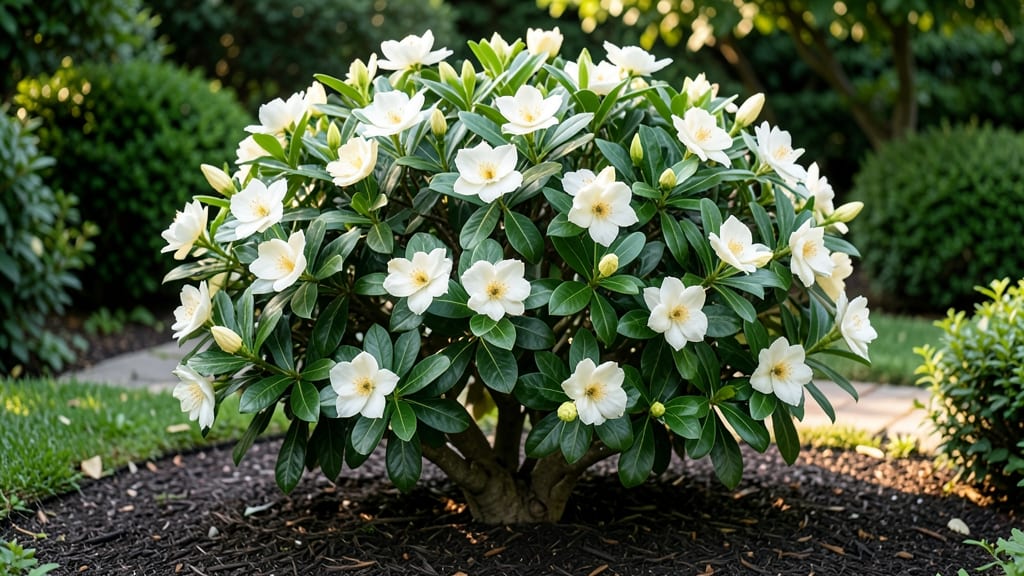
Gardenias can grow anywhere from 2 feet to over 6 feet tall, depending on the variety and care you provide 🌸 — and knowing their potential height is the first step to planning your dream garden.
If you’re dreaming of fragrant, glossy gardenias but wondering whether they’ll fit in your garden—or climb to the ceiling—you’re not alone. These beauties aren’t one-size-fits-all; some stay compact enough for containers, while others stretch toward the sky like small trees.
The key to controlling their height lies in pruning, sunlight, and soil—three factors that can turn a 6-foot giant into a 3-foot patio-friendly shrub with just a few strategic cuts.
Whether you’re working with a dwarf variety or a standard gardenia, understanding these basics will help you shape your plant’s growth to match your space.
In this guide, I’ll break down the height ranges of popular gardenia types, share pruning secrets to keep them in check, and recommend the best varieties for small yards versus sprawling landscapes. Let’s get your gardenia growing exactly how you want it!

Gardenias height by variety: from dwarf to giant gardenia sizes
Choosing the right gardenia variety depends on your space—whether it’s a cozy patio or a sprawling backyard. Some gardenias stay compact, perfect for containers, while others grow tall enough to rival small trees. Understanding these height variations helps you pick the ideal plant for your landscape design and maintenance style.
Gardenias thrive in USDA Zones 7-10, but their mature height can vary dramatically. Dwarf varieties rarely exceed 3 feet and are ideal for small gardens or balcony planters, while standard types can reach 6 feet or taller, making them statement plants in foundation plantings or near fences.
Here’s a quick reference to help you visualize each variety’s potential size and where it fits best in your garden:
If you’re working with limited space, Radicans or Fortuniana are excellent choices for containers or small gardens. Their compact stature (under 4 feet) makes them perfect for patios or balcony gardens where you want that signature gardenia fragrance without sacrificing floor space.
For larger gardens or as focal points, varieties like Veitchii or August Beauty will add drama. These taller gardenias (5–6 feet) can create natural privacy screens or anchor a mixed border. Just ensure they have enough room to spread—most gardenias grow wider than they do tall.
One of my favorite space-saving tricks is training gardenias as espaliered shrubs along fences or trellises. This technique works especially well with semi-dwarf varieties like Fortuniana, allowing you to control height while maximizing vertical space in small yards.
Remember, gardenias grow best in acidic, well-draining soil with partial shade. Overcrowding or poor soil conditions can stunt growth, so always amend your soil with peat moss or compost before planting. If you’re unsure about your garden’s pH, test it—gardenias thrive in 5.0–6.5 pH.
For those in cooler climates, Kleim’s Hardy is a game-changer. This hybrid tolerates USDA Zone 6 and grows to 3–5 feet, making it ideal for northern gardens where traditional gardenias struggle. Its cold resistance means fewer surprises when winter rolls around.
Whether you’re dreaming of a fra
How pruning affects gardenias growth height: techniques for controlling size
Pruning isn’t just about shaping your gardenia—it’s a powerful tool to control its growth height and encourage lush blooms. Without proper pruning, even dwarf varieties can grow unruly, while standard gardenias may outgrow their space.
The key is timing, technique, and knowing which cuts to make to maintain your desired height and form. Let’s explore how to keep your gardenia at the perfect size without sacrificing its beauty.
Gardenias naturally grow between 3 to 6 feet tall, depending on the variety, but aggressive pruning can reduce this by up to 50%. The goal is to prune just enough to control height while preserving the plant’s ability to produce those iconic fragrant white flowers.
Over-pruning can stress the plant, leading to fewer blooms, while under-pruning may result in leggy, unruly growth that overshadows your landscape design.
⚠️ callout-warning
- Pruning too late in the season can stunt new growth before winter.
- Cutting into old wood (brown or woody stems) reduces flowering potential.
- Using dull shears crushes stems, inviting disease.
✂️ Pro Tip: Always prune just above a leaf node where new growth can sprout.
Start pruning your gardenia in early spring, right after the last frost but before new growth begins. This timing ensures you’re shaping the plant’s structure while it’s still dormant, allowing it to recover quickly.
Focus on removing overly long branches that disrupt the plant’s natural shape, cutting back to a healthy leaf node or lateral branch. Avoid heavy pruning in fall or winter, as this can leave the plant vulnerable to cold damage and reduce next year’s blooms.
For compact gardenias, aim to keep the height between 2 to 3 feet by trimming back 1/3 of the new growth each spring. Use sharp, clean shears to make 45-degree cuts just above a leaf node. This encourages bushier growth and more blooms.
If your gardenia is already too tall, you can perform a gradual height reduction over 2-3 years by pruning back 1/2 of the height in the first year, then adjusting in subsequent years.
Never prune flowering branches unless absolutely necessary, as this removes the plant’s current blooms and future buds. Instead, prioritize structural branches that are growing outward or upward. If you notice dead or diseased wood, remove it immediately to prevent the issue from spreading.
Always sterilize your shears with rubbing alcohol between cuts to keep your gardenia healthy.
With consistent pruning, you can maintain your gardenia at your desired height while ensuring it remains a fragrant, blooming centerpiece in your garden. Remember, the goal is balance—prune enough to control growth but not so much that you sacrifice the plant’s natural beauty and flowering potential. Happy pruning! 🌸