
Container Gardens
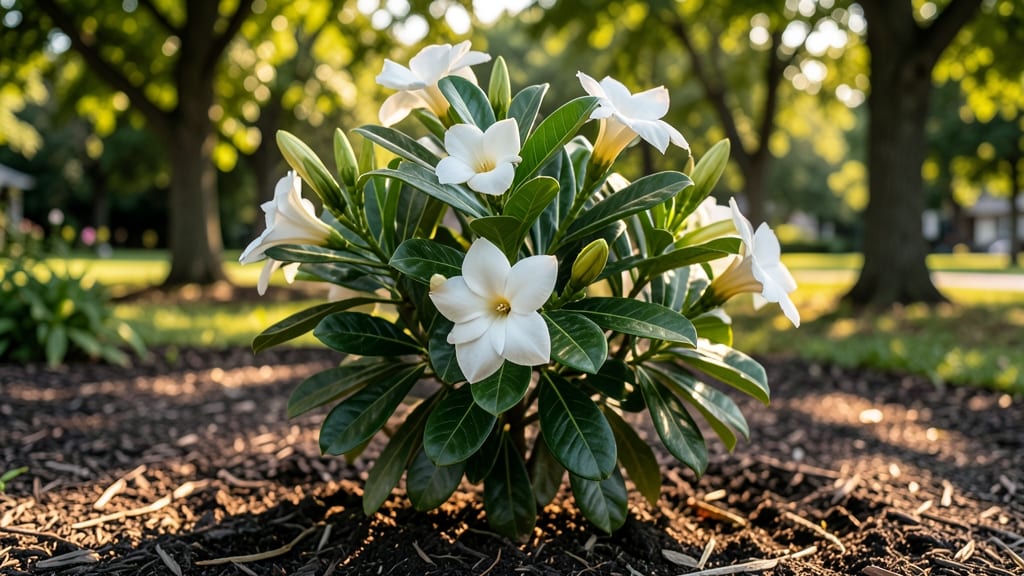
Growing gardenias in the right USDA zone is the key to those fragrant blooms you’ve been dreaming of 🌸 — and it all starts with understanding where they’ll thrive.
Struggling to grow gardenias that burst with intoxicating fragrance? The secret starts with planting them in the right USDA growing zone—where temperature, humidity, and sunlight align perfectly for their tropical roots.
These shrubs love warmth and struggle in frost, so zones 7 through 11 are their sweet spot. But don’t worry if you’re outside that range—with the right tricks, you can still grow them in cooler or hotter climates.
Below, I’ll break down the exact zones that work, how to protect them in marginal areas, and the simple tweaks that make all the difference for year-round blooms.
USDA growing zones for gardenias: where to plant for maximum blooms
Gardenias thrive in USDA zones 7-11, where warm temperatures and high humidity mimic their tropical origins. These zones provide the ideal climate for gardenias to produce their signature fragrant blooms year after year.
In cooler zones like 6 or 12, gardeners can still grow them with extra care and protection.
Native to Southeast Asia, gardenias prefer humidity levels above 50% and temperatures that rarely drop below 30°F (-1°C). Without protection, frost will damage or kill these tender shrubs. Understanding your zone helps you choose the right planting location and cultivation methods for success.
The summary-table below breaks down the key factors for each USDA zone, including temperature ranges, humidity needs, and seasonal adjustments to ensure your gardenias flourish.
In USDA zones 7-9, gardenias can be planted outdoors year-round in well-draining, acidic soil with morning sun and afternoon shade. These zones offer the perfect balance of warmth and humidity, allowing gardenias to bloom abundantly from spring through fall.
For example, gardeners in Zone 8 (like parts of Georgia or North Carolina) should choose Kleim’s Hardy or Augusta varieties, which tolerate brief cold snaps better than others.
For gardeners in Zone 10 and 11, gardenias grow with minimal care, especially in humid coastal areas like Florida or Hawaii. Here, these shrubs can reach their full 3–6 ft height and produce large, fragrant blooms year-round.
The key is ensuring consistent moisture and partial shade to prevent leaf scorch. In these zones, gardenias thrive in containers or in-ground beds, making them versatile for patios, borders, or foundation plantings.
If you're in Zone 6 or cooler, don’t give up! Gardenias can still succeed with container growing or indoor overwintering. Move potted gardenias indoors before **temperatures drop below
How to grow gardenias outside their native zones: winter protection tips
Gardenias thrive in USDA zones 7-11, where warm, humid climates mimic their tropical origins. But if you live in zones 5-6 or even zone 12, don’t give up! With the right winter protection strategies, you can still enjoy their intoxicating fragrance and lush foliage.
The key is understanding how to shield them from frost damage in cold zones or intense heat in desert climates like zone 12.
For gardeners in zones 5-6, the challenge is protecting gardenias from temperatures below 20°F, which can kill these tropical shrubs. Meanwhile, those in zone 12 must shield plants from scorching afternoon sun and dry winds that can stress them.
Let’s dive into the best methods to keep your gardenias thriving year-round, no matter where you live.
⚠️ Critical Warning: Gardenias Hate Cold Snaps!
Gardenias die when exposed to temperatures below 20°F for more than a few hours. Even a light frost (28-32°F) can cause leaf browning and bud drop. In zones 5-6, overwintering indoors or using heated containers is often the only way to guarantee survival. For zone 12, afternoon shade and daily watering are non-negotiable to prevent heat stress.
Start with mulching, the first line of defense for gardenias in cold zones. Apply a 4-6 inch layer of organic mulch (like pine bark or shredded leaves) around the base of the plant. This insulates the roots and keeps the soil 5-10°F warmer than ambient air temperatures.
For extra protection, top the mulch with a thick layer of straw or leaves once temperatures drop below 30°F. This method works best for gardenias planted in ground beds but requires adjustments for container-grown plants.
If you’re growing gardenias in containers, move them to a protected location before the first frost. Choose a spot like a garage, sunroom, or insulated porch where temperatures stay above 40°F. Wrap the pots in bubble wrap or frost blankets to add an extra layer of insulation.
For zone 12 gardeners, use lightweight shade cloth (30-50%) to filter harsh sunlight and place containers on elevated trays filled with pebbles to improve airflow and prevent root rot from overheating.
Frost blankets are a game-changer for gardeners in zones 5-6. Drape a frost blanket or row cover over the plant and secure it with bricks or stakes to create a mini greenhouse effect.
Remove the blanket during the day to allow sunlight and air circulation, then reapply at dusk when temperatures drop. For added warmth, place a Christmas light string under the blanket—just ensure the lights are outdoor-rated and won’t overheat the plant.
This method can raise soil temperatures by 5-10°F, making a huge difference in survival rates.
For gardeners who want to take overwintering to the next level, consider indoor overwintering. Dig up the plant in late fall, trim back any dead or damaged branches, and repot it in a slightly larger container with fresh acidic potting mix.
Place the pot in a bright, cool room (50-60°F), like a basement or garage with a window. Reduce watering to every 2-3 weeks and avoid fertilizing until spring. When temperatures rise in late spring, acclimate the plant to outdoor conditions gradually to prevent transplant shock.
With these strategies, you can successfully grow gardenias even in non-native zones. Whether you’re using mulch, frost blankets, or indoor overwintering, the key is proactive protection. Your reward? Fragrant blooms that’ll make your garden the envy of the neighborhood—no matter where you live! 🌸