
Light Requirements
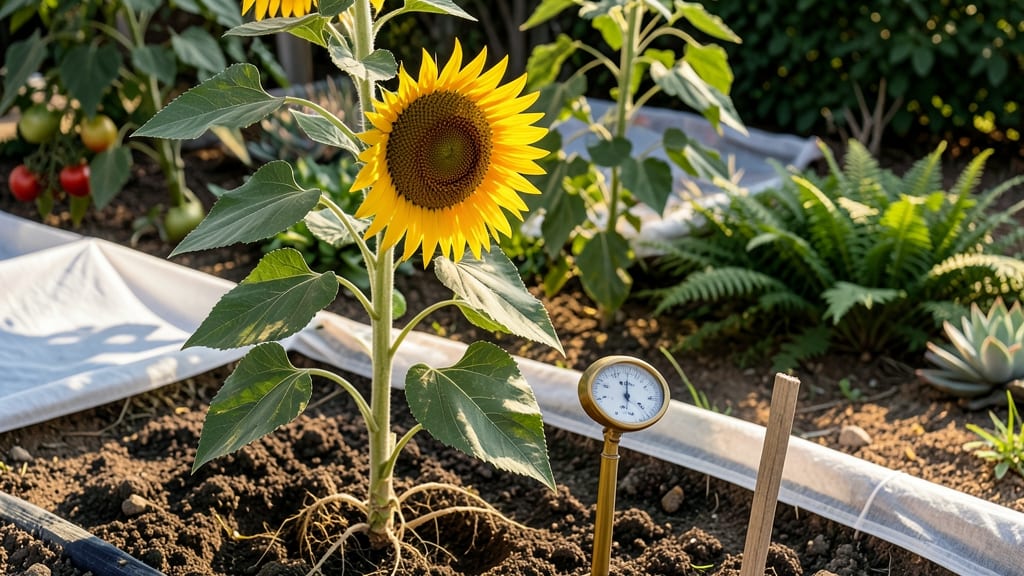
A garden needs between 6 to 10 hours of sunlight daily, depending on plant types: full-sun plants (6+ hours), partial shade (3-6 hours), and shade-loving plants (under 3 hours). Match sunlight exposure to species for optimal growth and flowering.
Understanding your garden's sunlight exposure is the foundation of healthy plant growth. 🌞 Different species thrive at varying light levels—vegetables like tomatoes and peppers demand full sun, while herbs such as parsley or cilantro can handle partial shade.
The key is observing your yard's natural light patterns throughout the day, especially during peak summer months when shadows shift dramatically. Many gardeners mistakenly assume all plants need equal sun, but over-exposure can scorch leaves while too little light stunts flowering and fruiting.
Seasonal adjustments are crucial too. A plant that gets 6 hours of sun in summer might receive only 3 hours in winter due to lower sun angles.
I recommend mapping your garden in early spring to track sunlight patterns—this simple step prevents costly mistakes like placing shade-loving ferns where they'll bake in afternoon rays.
💡 In This Article
- Sunlight Requirements by Plant Categories
- Adjusting Garden Layout for Sunlight Efficiency
Sunlight requirements by plant categories
Sunlight drives photosynthesis—the process where plants convert light energy into sugars for growth. Full-sun plants, like tomatoes or marigolds, need 6+ hours of direct sunlight daily to produce abundant flowers and fruit. Their leaves contain more chlorophyll, allowing them to efficiently capture light energy.
In contrast, partial-shade plants (such as impatiens or hostas) thrive with 3-6 hours of sun and often grow in filtered light conditions where morning sun dominates. Shade-loving plants, like ferns or caladiums, survive with under 3 hours of sun and prefer dappled light or deep shade to prevent leaf burn.
The intensity of sunlight matters just as much as duration. Direct midday sun (especially between 10 AM and 2 PM) delivers the highest UV and heat, which can scorch delicate leaves.
That’s why many partial-shade plants perform best in morning sun or afternoon shade—think of how hostas flourish under tall trees that block harsh afternoon rays. 🌿 Meanwhile, full-sun vegetables like peppers and eggplants require those peak hours to develop their signature flavors and vibrant colors.
Without enough light, they’ll produce fewer fruits and stretch unnaturally toward any available sun.
Seasonal variations complicate things further. In summer, gardens in temperate zones might receive 14+ hours of daylight, but winter days shrink to 8-10 hours. A plant getting 6 hours of sun in July could see that drop to 3 hours in December due to lower sun angles.
This is why gardeners in colder climates often choose shade-tolerant perennials or use row covers to extend growing seasons. The key is observing your yard’s light patterns for at least a month—note where shadows fall at different times of day and how they change with seasons.
Climate also plays a role. Plants in hot, dry regions (like desert gardens) often need more water and shade to prevent dehydration, while coastal gardens may handle more sun due to cooler temperatures.
For example, a succulent in Arizona might thrive with 8 hours of sun, but the same plant in Florida’s humidity could scorch after just 4 hours. Always consider your local microclimate when selecting plants—what works in one yard may fail in another just a few miles away.
Here’s a quick reference for common garden categories:
- Full-sun plants: Tomatoes, peppers, sunflowers, lavender (6+ hours)
- Partial-shade plants: Coleus, impatiens, astilbe (3-6 hours)
- Shade-loving plants: Ferns, caladiums, hellebores (under 3 hours)
Mistaking a plant’s light needs can lead to stunted growth or disease. For instance, overwatering shade plants exposed to too much sun causes root rot, while full-sun plants deprived of light become leggy and weak. 🌱 The solution?
Start with your yard’s natural light map, then group plants with similar needs together for a thriving, low-maintenance garden.