
Planting
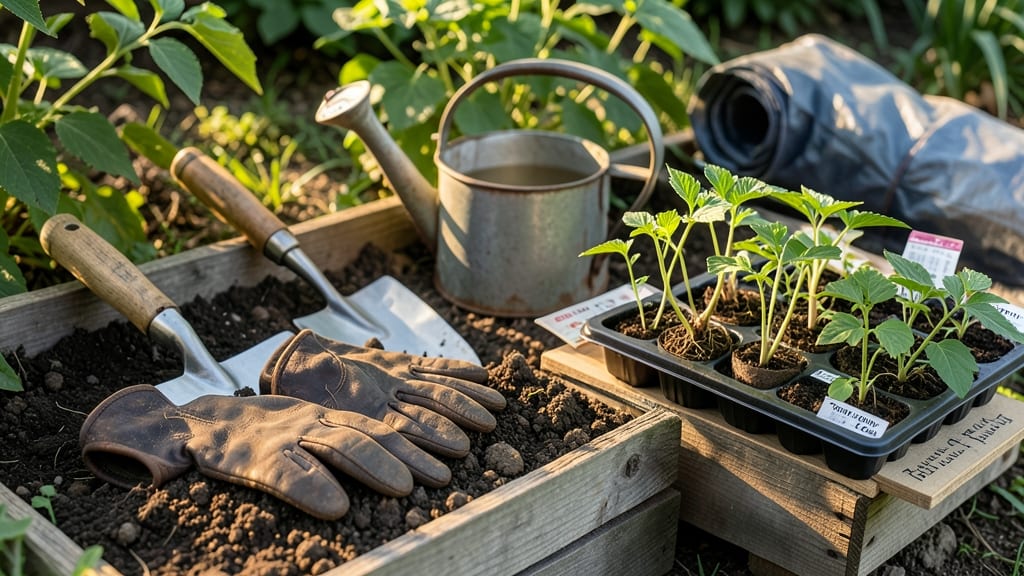
Planting your garden in Arkansas at the right time means the difference between a bountiful harvest and a season of disappointment 🌱 — and the exact months depend on what you're growing.
Arkansas gardeners know timing is everything—plant too early and frost wipes out your hard work, too late and summer heat stunts growth. Whether you're sowing tomatoes in the 7a hills or okra in 8a heat, getting the schedule right is the key to success.
This guide breaks down the ideal planting windows by crop type, including when to start seeds indoors, transplant tender seedlings, and direct-sow heat lovers like peppers and beans. We’ll also cover Arkansas’ three distinct frost zones and how microclimates can shift your schedule by weeks.
By the end, you’ll know exactly when to plant each crop for maximum yield—plus how to adjust for raised beds, containers, and Arkansas’ unpredictable spring weather patterns.
Arkansas planting calendar by month: frost dates and best times for vegetables
Arkansas' three distinct growing zones create unique planting windows, with last frost dates ranging from February 15 in the south to March 15 in the north. Understanding these frost-free periods helps you align your planting schedule with optimal soil temperatures and weather conditions.
Whether you're growing heat-loving tomatoes or cool-season greens, timing makes all the difference in Arkansas' humid subtropical climate.
For Northern Arkansas (USDA Zone 7a), where frosts linger until March 15, focus on early spring crops like peas and spinach in February, while Southern Arkansas (Zone 8a) can start warm-season vegetables like peppers and okra as early as February 20.
Central Arkansas (Zone 7b) falls right in between, offering a balanced planting window for a wider variety of crops. Let’s break down the best planting times for 12 essential vegetables to help you plan your garden like a pro.
⚠️ IMPORTANT: Always check your local extended weather forecasts and use frost cloth for extra protection if planting near the last frost date. Arkansas' unpredictable spring weather can bring late frosts even after the average date.
| Month | Crop | Planting Time | Notes |
|---|---|---|---|
| February | Peas, Spinach, Lettuce | Direct sow 4-6 weeks before last frost (South: Feb 15, North: Feb 20) | Cool-season crops; use row covers for frost protection |
| March | Onions, Carrots, Broccoli | Direct sow after last frost (March 1-March 15) | Soil temp should be at least 50°F for best germination |
| March-April | Tomatoes, Peppers, Eggplant | Start indoors 6-8 weeks before last frost; transplant after soil reaches 60°F | Warm-season crops; use black plastic mulch to warm soil faster |
| April | Beans, Corn, Cucumbers | Direct sow after last frost (April 1-April 15) | Wait until night temps stay above 50°F to avoid frost damage |
| May | Okra, Sweet Potatoes, Southern Peas | Direct sow after soil reaches 70°F (May 1-May 15) | Heat-loving crops; ideal for Southern Arkansas |
| August-September | Kale, Radishes, Turnips | Direct sow 6-8 weeks before first frost (Aug 15-Sept 15) | Fall crops thrive in cooler temps; harvest before frost |
| September | Broccoli, Cabbage, Brussels Sprouts | Transplant 8-10 weeks before first frost (Sept 1-Sept 15) | Cool-season crops; protect from late summer heat |
| October | Garlic, Onion Sets | Plant 4-6 weeks before first frost (Oct 1-Oct 15) | Overwinter for spring harvest; mulch heavily |
In March, focus on cool-season vegetables like broccoli and carrots, which thrive in 50-60°F soil temperatures. These crops can handle light frosts and even improve in flavor after a light freeze.
For Southern Arkansas gardeners, this is also the time to start warm-season crops indoors, like tomatoes and peppers, to give them a head start before transplanting after the last frost date.
By April, most of Arkansas is frost-free, making it the perfect time to direct-sow beans, corn, and cucumbers. These warm-season vegetables need consistent warmth to germinate, so avoid planting until nighttime temperatures stay above 50°F.
In Northern Arkansas, where frosts can linger, consider using row covers or cold frames to extend your growing season for early plantings.
May is all about heat-loving crops like okra, sweet potatoes, and southern peas. These plants thrive in Arkansas' summer heat and need well-draining soil to prevent root rot. If you're in Central or Southern Arkansas, you can even start planting <
How Arkansas' microclimates affect your planting schedule (Zone-specific tips)
Arkansas spans three USDA hardiness zones—7a/7b in the north and 8a in the south—which means your planting schedule should shift based on where you live. Northern Arkansas experiences colder winters and later last frost dates, while Southern Arkansas enjoys earlier springs and longer growing seasons.
Even within these zones, urban areas with concrete and asphalt can create microclimates that affect soil temperature and moisture.
If you're in Zone 7a/7b, you'll need to wait longer before planting heat-loving crops like tomatoes and peppers, while Zone 8a gardeners can start earlier.
Urban gardeners in cities like Little Rock or Fayetteville might face shorter growing seasons due to heat islands, making container gardening a smart solution. Understanding these differences helps you avoid frost damage or heat stress in your plants.
| Zone | Last Frost Date | Best Planting Window | Heat-Tolerant Varieties | Urban Solution |
|---|---|---|---|---|
| 7a/7b (North) | March 15-April 1 | April 15-May 15 | Okra, Sweet Potatoes, Black-Eyed Peas | Raised Beds with Black Plastic Mulch |
| 8a (South) | February 15-March 1 | March 1-April 15 | Peppers, Eggplant, Southern Peas | Container Gardening with Heat-Reflective Paint |
| Urban Areas | March 1-April 1 | April 1-May 1 (Containers) | Dwarf Tomatoes, Bush Beans | Self-Watering Containers |
For Northern Arkansas gardeners in Zone 7a/7b, focus on cool-season crops like lettuce and broccoli in early spring, then transition to heat-tolerant varieties like okra and sweet potatoes by mid-May. Use row covers to extend your growing season into late fall.
If you're in Zone 8a, you can plant warm-season crops like tomatoes and peppers as early as March, but be mindful of humidity, which can encourage fungal diseases.
Urban gardeners often deal with limited space and higher soil temperatures, making container gardening ideal. Choose compact varieties of vegetables like bush beans and dwarf tomatoes, and use self-watering containers to maintain consistent moisture.
If your urban area has concrete surfaces, opt for containers with heat-resistant materials like ceramic or insulated fabric.
One critical adjustment for all Arkansas gardeners is monitoring soil temperature. Warm-season crops like peppers need soil temps of at least 60°F, while cool-season crops like spinach thrive in 50-60°F soil.
Use a soil thermometer to check before planting, especially in urban microclimates where pavement can raise ground temperatures significantly. For Southern Arkansas, prioritize drought-resistant plants like native wildflowers or succulents to conserve water during hot summers.
Don’t forget about fall planting, which can be just as productive as spring in Arkansas. In Zone 8a, you can plant cool-season crops like kale and carrots as late as September 15, while Zone 7a/7b gardeners should aim for August 15 to avoid early frost.
Use mulch to protect young plants and extend your harvest into late fall.
By tailoring your planting schedule to Arkansas' microclimates, you’ll avoid common pitfalls like frost damage or heat stress and enjoy a bountiful harvest year-round.
Whether you're in the cool north, warm south, or an urban heat island, these zone-specific tips will help you garden smarter—not harder! 🌱