
How To
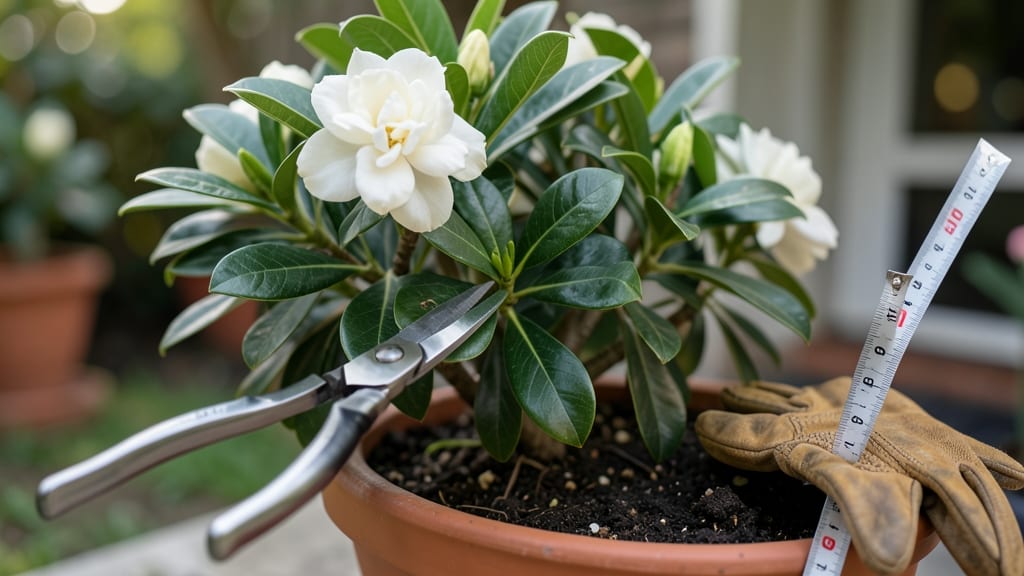
You can safely cut back gardenias by up to one-third of their height each year—without sacrificing blooms or stunting growth.
Struggling to keep your gardenias blooming beautifully? Over-pruning can stunt growth while under-pruning leads to leggy, sparse flowers—so how far can you safely trim these fragrant shrubs? The answer lies in seasonal timing, proper technique, and knowing where to stop.
Gardenias 🌸 thrive when pruned correctly, but cutting too far back risks removing next year’s flower buds hidden in the old wood. In this guide, I’ll show you exactly how much to trim in spring and fall, which tools to use, and how to encourage lush regrowth without overdoing it.
You’ll also learn the third-bud rule for preserving blooms, how to spot over-pruning mistakes, and when to skip pruning entirely for healthier plants. Let’s get started!
Safe pruning limits for gardenias: how far back you can trim without harming the plant
Pruning gardenias correctly keeps them lush and blooming, but cutting too far back stresses the plant and reduces flowers. The golden rule is to never remove more than one-third of the foliage in a single pruning session.
This preserves the plant's energy reserves while encouraging healthy regrowth. For mature gardenias, this typically means trimming back 10-20% of the plant's height per year, depending on the season.
Gardenias bloom on new wood, so aggressive pruning can eliminate next year's flowers. Always identify old wood (woody stems) versus new growth (green, flexible stems) before cutting.
Old wood rarely produces flowers, while new wood is where blooms form. I recommend marking your cuts with a pencil or plant tie to avoid accidental over-pruning.
Here’s a quick visual guide to help you determine safe pruning zones for your gardenia:
Spring is the best time to prune gardenias because it stimulates new growth before the blooming season. Aim to trim in late February to early April, right after the last frost but before buds swell.
This gives the plant time to recover and produce flowers by summer. I always prune just after a light rain to reduce stress on the plant.
Fall pruning is more delicate—only trim to shape the plant and remove dead branches. Avoid heavy cuts in late fall, as gardenias need time to harden off before winter. If you must prune in fall, do so by mid-October to allow at least 6 weeks of recovery before frost.
Never prune in winter, as the plant is dormant and vulnerable to disease.
To identify safe cut zones, look for the third bud from the top of a stem. This is where new growth will sprout. Cutting just above this bud ensures healthy regrowth while preserving the plant’s structure.
For example, if a branch is too long, trim it back to a point where you leave 3-4 buds remaining. This method works for both spring and fall pruning.
Over-pruning gardenias can lead to yellowing leaves, sparse blooms, or even plant death. If you accidentally cut too far back, don’t panic—gardenias are resilient. Focus on watering deeply and fertilizing with an acid-loving plant food to encourage recovery.
In severe cases, you may need to prune less aggressively in the following year to rebuild the plant’s strength.
Use sharp, sterilized pruners to make clean cuts at a 45-degree angle, about 1/4 inch above a bud or branch collar. Disinfect your tools with rubbing alcohol between cuts to prevent spreading disease. I also recommend wearing gloves, as gardenias can irritate sensitive skin with their resinous sap.
After pruning, apply a 2-3 inch layer of mulch around the base of the plant to retain moisture and regulate soil temperature. This helps reduce stress and encourages root growth.
Avoid piling mulch against the stem, as it can trap moisture and cause rot. Water thoroughly after pruning to help the plant recover faster.
Remember, gardenias reward patience and gentle care. By following these safe pruning limits and seasonal guidelines, your gardenia will thrive with abundant blooms and lush foliage for years to come. Happy pruning! 🌸✂️
Seasonal pruning rules: when and how much to cut gardenias for maximum blooms
Timing and technique are everything when pruning gardenias. These fragrant shrubs bloom on new wood, so strategic cuts encourage vibrant flowers while maintaining health. I’ve found that seasonal adjustments—like cutting back 20% in spring versus just 10% in fall—make all the difference in bloom volume.
Let’s break down the exact percentages and cues to follow each season.
Start by identifying old wood (last year’s growth) versus new wood (current year’s stems). Old wood rarely produces flowers, so focus cuts on shaping rather than removing it.
For example, I always look for thick, woody stems—these are your clues to avoid cutting into them. Instead, target semi-woody or green stems where blooms will emerge.
⚠️ WARNING: Cutting Back Gardenias Too Far Never remove more than one-third of the foliage in a single season, or you risk shocking the plant. For mature gardenias, aim for 10-20% reduction per year.
Over-pruning weakens roots and reduces next year’s blooms. If you’ve already cut too much, stop immediately and focus on watering deeply and fertilizing lightly to recover. 🌿
Spring is the best time to prune gardenias—right after the last frost but before new growth starts. This is when you can be most aggressive with cuts, up to 20% of the plant’s height.
I like to trim just above a leaf bud or growth node, as this encourages new shoots where flowers will form. Use clean, sharp bypass pruners to avoid tearing stems.
In summer, limit pruning to deadheading spent blooms or shaping minor branches. Avoid heavy cuts now, as summer growth fuels next year’s flowers. I’ve seen gardeners accidentally stunt blooms by pruning too late in the season.
If you must shape, keep cuts to 5-10% of the plant and focus on removing only crossing or leggy branches.
Fall pruning is minimal—just 10% or less—to avoid stimulating new growth before winter. I typically remove any dead or diseased branches and lightly shape the shrub.
This keeps the plant tidy without stressing it before dormancy. Never cut into old wood in fall, as it won’t regrow in time for spring blooms.
Winter is the worst time to prune gardenias, as cold stress can harm the plant. If you must act, wait until late winter (just before buds swell) for minimal cuts.
Focus on removing any frozen or damaged branches and avoid heavy shaping. Patience in winter ensures a stronger spring recovery and more abundant blooms. ✂️