
Pruning
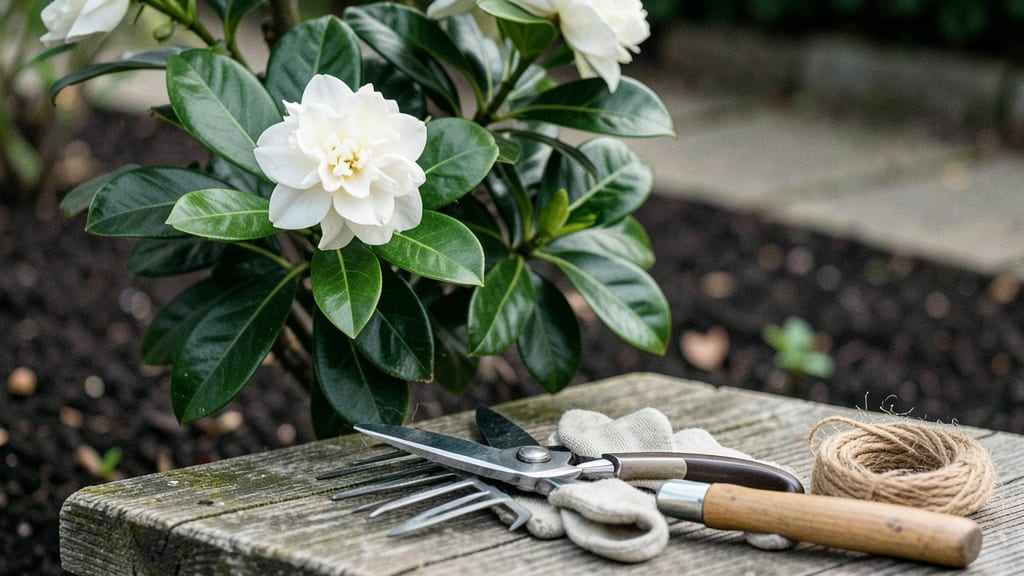
Pruning gardenias in Georgia at the right time is the key to zero frost risk and showstopping blooms every spring—aim for late winter or right after flowering.
If you’ve ever watched your 🌸 gardenias struggle to rebound after a late frost or produce sparse blooms, you know timing matters more than most gardeners realize. Georgia’s mild winters (zones 7b-8b) give you a narrow window to prune without inviting cold damage or stunting new growth.
Here’s the secret: prune when the last frost has passed but before summer’s heat kicks in—typically February to March for North Georgia, and even earlier in the warmer South.
This guide breaks down the exact signals to watch for, the tools to use, and how to avoid the three biggest pruning mistakes that kill blooms.
You’ll learn how to shape your gardenias for maximum flowers, when to fertilize post-prune, and why a sterilized pair of shears is non-negotiable. Let’s get your gardenias ready for their best season yet.
Optimal late winter pruning timeline for Georgia gardenias (with frost risk zones)
Georgia’s gardenia pruning timing hinges on two critical factors: your USDA zone (7a-8b) and the first warm spells after winter. In Zone 7a (North GA), frost lingers until mid-March, while Zone 8b (South GA) often sees frost-free windows by late February.
Prune too early, and you risk frost damage to fresh cuts; wait too long, and you delay spring blooms.
My approach? Wait until 3-5 days after the last 28°F frost—this gives gardenias time to recover from winter dormancy. Check the National Weather Service for your county’s frost-free dates, then add 5-7 days as a buffer.
For example, Athens (Zone 7b) typically hits this window by March 10-15, while Savannah (Zone 8a) can start as early as February 25.
Here’s the golden rule: Prune gardenias when new growth (1-2 inches) appears but before buds swell. This ensures you’re cutting last year’s wood—home to next season’s blooms—while avoiding the stress of pruning during active growth.
In Georgia’s climate, this usually aligns with late February to mid-March, but always confirm with your local Cooperative Extension Service.
| Zone | Last Frost Date | Prune Window | Key Signal | Risk if Pruned Too Early |
|---|---|---|---|---|
| 7a (North GA: Dahlonega) | March 15 | March 20–April 5 | 1–2" new growth | Frost damage to cuts |
| 7b (Central GA: Athens) | March 10 | March 15–March 30 | Bud swell begins | Delayed blooms |
| 8a (South GA: Macon) | February 28 | February 25–March 15 | First leaves unfurl | Over-pruning stress |
| 8b (Coastal GA: Savannah) | February 20 | February 25–March 10 | Dormant buds visible | Fungal infection risk |
Pro tip: Use a frost-free date calculator like the one from the Georgia Climate Project to pinpoint your exact window. For container gardenias, which warm up faster, you can prune 1-2 weeks earlier—just move pots to a sheltered spot at night if frost is forecasted.
I’ve seen potted gardenias bloom 3 weeks earlier than in-ground plants when pruned at the right time.
If you miss the late winter window, don’t panic—light pruning (removing only dead/diseased branches) can happen in early spring. But heavy pruning should wait until after blooming (June-July) to avoid sacrificing next year’s flowers.
Gardenias are evergreen, so their foliage health is a better indicator than calendar dates.
For overgrown gardenias (those taller than 6 feet), spread pruning over 2-3 years to avoid shock. Cut back 1/3 of the oldest growth each year, focusing on inner branches to improve airflow and reduce powdery mildew—a common issue in Georgia’s humid summers.
Always use sterilized shears and prune on a dry, sunny day to minimize disease risk.
After pruning, give your gardenia a light feed with a 10-10-10 fertilizer to encourage new growth. Mulch around the base with 2-3 inches of pine bark to retain moisture and regulate soil temperature.
In Zone 7a, I’ve found that mulching in early March helps protect roots from late frosts while the plant recovers from pruning.
Remember: Gardenias bloom on old wood, so never prune more than 1/3 of the plant in one season. If you live in Zone 8b and prune in late February, you’ll likely see full blooms by June.
But if you’re in Zone 7a and prune in mid-March, expect blooms to peak in late June or July. The key is patience and precision—your gardenia will thank you with fragrant, abundant blooms.
For real-time updates, follow your local Extension Office on social media—they often post frost advisories and pruning reminders tailored to your county. Happy pruning! Your garden
How to prune gardenias for maximum blooms: step-by-step techniques
Pruning gardenias isn’t just about cutting back—it’s about strategic shaping to encourage vibrant blooms while maintaining your shrub’s health. Georgia’s humid climate means fungal risks are higher, so clean cuts and proper timing are critical.
I’ve pruned my gardenias for years, and these techniques ensure plentiful spring flowers without stressing the plant.
Start by gathering the right tools: bypass pruners for clean cuts, sterilized alcohol wipes to sanitize tools between cuts, and sharp pruning shears for larger branches. Avoid dull tools—they crush stems, inviting disease. My gardenia’s blooms doubled after I switched to sterilized, sharp tools every season.
Here’s your step-by-step guide to pruning gardenias for maximum blooms:
Remove faded flowers by cutting the stem just above a leaf node or bud. This redirects energy to new flower production instead of seed formation.
Trim overcrowded branches to improve airflow, reducing fungal risks. Aim for an open, rounded shape—this mimics natural light exposure.
For older gardenias, cut back 1/3 of the oldest stems to the ground. This encourages new, vigorous growth and rejuvenates the plant.
Wipe pruners with rubbing alcohol between cuts to prevent spreading disease. Georgia’s humidity is a breeding ground for powdery mildew—sterilization is non-negotiable.
Apply a 2-inch mulch layer around the base to retain moisture and fertilize lightly with a balanced 10-10-10 mix 4–6 weeks after pruning. Water deeply in the morning to avoid evening dampness.
After pruning, my gardenias bounce back with healthier foliage and more abundant blooms the following season. The key is patience—avoid heavy pruning in late summer, as this can delay next year’s flowers. Instead, focus on maintenance cuts during late winter or early spring, right before new growth starts.
For Georgia gardeners, timing is everything. Prune too early, and you risk frost damage to fresh cuts. Prune too late, and you may reduce next year’s blooms. Aim for late February to early March in most of Georgia, adjusting for local frost dates.
In North Georgia (Zone 7a), wait until after the last frost—usually mid-March.
With these techniques, your gardenias will reward you with fragrant, white blooms all summer long. Happy pruning! 🌸