
Tools
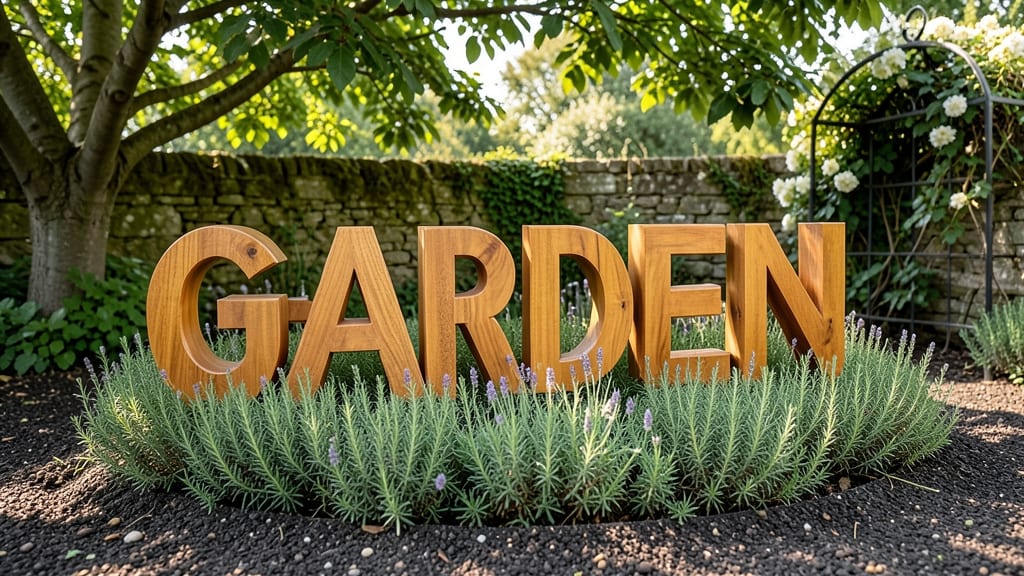
To spell 'garden' correctly, write it as g-a-r-d-e-n, a six-letter word referring to a cultivated plot for growing plants or flowers. Many people mistakenly add an extra 'n' or rearrange the letters.
This spelling follows the classic 'a' before 'e' rule, though exceptions exist in English. 🌱 The word traces back to Old English 'gard,' meaning an enclosed area, and its modern form reflects centuries of language evolution.
Unlike words like 'weigh,' 'garden' never takes an 'e' before 'i'—this distinction helps avoid common errors. Memorizing its origin can reinforce the correct pattern for similar words.
For visual learners, imagine the word as a garden path—the letters flow naturally in that order. This mental trick works especially well for those who frequently type the word or work with gardening-related content. The key is recognizing that 'garden' follows a predictable pattern rather than an arbitrary rule.
💡 In This Article
- Why 'Garden' Follows the 'A' Before 'E' Rule
- Common Misspellings of 'Garden' and How to Avoid Them
Why 'garden' follows the 'a' before 'e' rule
The spelling of "garden" traces back to its Old English ancestor, gard, meaning an enclosed area or yard. As English evolved, the word absorbed the suffix -en to form "garden," preserving its original pronunciation while adopting a more modern structure.
This follows the classic "a before e" rule, which applies when the vowel sound is long (as in "garden") rather than short (like in "weigh"). 🌱
The rule isn't absolute—English has countless exceptions—but "garden" adheres strictly because its pronunciation (with a long "a" sound) aligns perfectly. Linguists note that the "a" in "garden" mirrors words like "cake" or "make," where the vowel sound dictates the spelling.
What’s fascinating is how the word resists the "e before i" pattern seen in words like "believe" or "field," proving that pronunciation, not just tradition, shapes spelling.
For those learning English, this distinction matters because many words follow similar patterns. For example, "garden" shares its vowel structure with "bake" or "page," reinforcing the "a before e" convention.
The key is recognizing that the rule applies when the vowel sound is long and unstressed, as in "garden," not when it’s short or stressed, like in "weird." This clarity helps avoid common errors where learners might default to "e before i" by habit.
Historically, the spelling stabilized during the Middle English period (1100–1500 AD), when scribes standardized words based on pronunciation and Latin influences. The "a" in "garden" wasn’t arbitrary—it reflected how the word was spoken in regions like Kent and Sussex, where Old English dialects preserved this vowel sound.
Today, the spelling remains consistent across dialects, from British to American English, making it a reliable example of the rule’s application.
What’s often overlooked is how the word’s meaning ties to its spelling. The suffix -en in "garden" suggests a place for cultivation, much like "wooden" or "stony." This suffix, derived from Proto-Germanic -inaz, reinforces the "a" sound, further anchoring the spelling.
For gardeners, this connection can serve as a mnemonic: think of "garden" as a place where "a" (as in "area") comes before "e" (as in "enclosure"). 🌿
To test your understanding, compare "garden" to its near-homophones like "gardener" or "gardening." Notice how the root "garden" remains consistent across these words, proving the spelling’s stability. This consistency is why "garden" rarely appears in spelling quizzes—it’s a textbook example of the "a before e" rule in action.
For advanced learners, delve into etymology: the word’s Latin cousin, hortus, shares the same meaning but spells it with an "o." This contrast highlights how English spelling often diverges from its linguistic relatives, making "garden" a fascinating case study in language evolution. 📜