
Tools
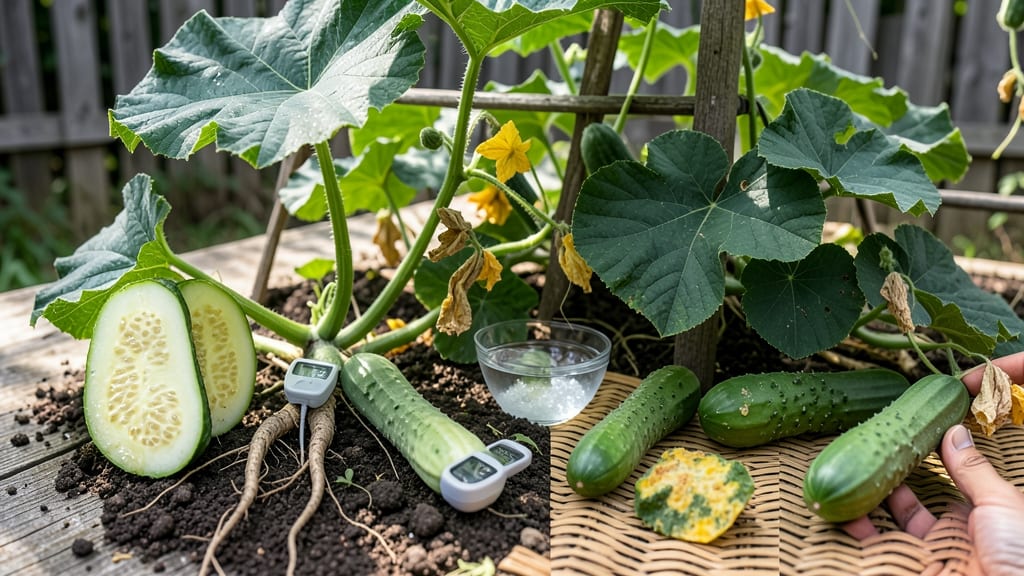
Your garden cucumbers taste bitter when they’re overripe, underpollinated, or stressed by heat or poor soil nutrients — and the fix is often simpler than you think.
There’s nothing worse than slicing into a cucumber 🥒 you’ve nurtured all season, only to find it’s bitter enough to ruin your salad. The good news? Most cases boil down to three fixable issues, and addressing them fast can turn your harvest around before the next picking.
Overripe cucumbers develop bitterness as they convert sugars into starches, while heat stress or too much nitrogen in the soil can trigger the same chemical reaction. Even a lack of pollination—like bees skipping your patch—leads to uneven fruit development and that unpleasant taste.
In this guide, I’ll walk you through three fast solutions to restore sweetness, plus pro tips to prevent bitterness in your next batch. No more wasted harvests—just crisp, fresh cucumbers straight from your garden.
3 Main reasons your garden cucumbers taste bitter (and how to fix them)
There's nothing worse than biting into a cucumber you grew yourself, only to be hit with an unpleasant bitter taste. This common issue frustrates even experienced gardeners, but the good news is that bitter cucumbers usually signal fixable problems in your growing conditions.
The three most frequent culprits are over-maturity, heat stress, and poor pollination. Each of these issues triggers the plant to produce cucurbitacin, a natural compound that creates bitterness as a defense mechanism.
Understanding these causes isn't just about salvaging your current harvest—it's about preventing future disappointments. For example, I once grew a beautiful cucumber patch that turned bitter overnight because of a sudden heatwave.
Learning how to spot these warning signs early can mean the difference between composting your crop and enjoying sweet, crisp cucumbers straight from your garden. Let's break down each cause and explore practical solutions to restore that delicious flavor.
Over-Maturity
Cucumbers left on the vine too long develop bitter compounds as they convert sugars into protective chemicals. Harvest when they reach 6-8 inches and have deep color.
Heat Stress
Temperatures above 90°F (32°C) cause cucumbers to produce cucurbitacin. Use shade cloth (30-50%) during peak afternoon heat to protect plants.
Poor Pollination
Insufficient pollination leads to deformed, bitter fruit. Hand-pollinate by transferring pollen with a soft brush or attract bees with companion plants like marigolds.
Let's start with the most common issue: over-maturity. Cucumbers are fast-growing plants that reach maturity in just 50-70 days, depending on the variety. When left on the vine beyond their prime, they begin converting stored sugars into bitter compounds like cucurbitacin as a natural defense.
This is especially true for varieties like Lemon Cucumber or Bush Champion, which are prone to bitterness if not harvested promptly. My trick? Set a reminder to check your plants every 2-3 days during peak growing season.
If you're growing cucumbers in hot climates, heat stress is likely the culprit behind that bitter taste. Cucumbers are cool-season crops that thrive in temperatures between 65-75°F (18-24°C). When daytime temperatures exceed 90°F (32°C), the plant shifts its energy toward producing protective compounds instead of sweet fruit.
I've found that using lightweight shade cloth (30-50% shade) during the hottest afternoon hours can make a dramatic difference. For containers, move them to a shadier spot or provide afternoon shade with a breathable fabric.
Another surprising cause of bitterness is poor pollination, which leads to deformed, underdeveloped fruit. Cucumbers are monoecious plants, meaning they produce separate male and female flowers.
If pollination fails—whether due to lack of bees, wind conditions, or extreme heat—the fruit may develop abnormally and taste bitter. To fix this, I recommend hand-pollinating by gently transferring pollen from male to female flowers using a soft paintbrush or cotton swab.
Planting bee-friendly companions like marigolds, nasturtiums, or borage can also attract pollinators naturally.
For over-mature cucumbers, the solution is simple: harvest more frequently. Aim to pick cucumbers when they're 6-8 inches long and have reached their full color.
If you've already missed the window, don't despair—these cucumbers can still be used for pickling or cooking, where bitterness is less noticeable. To encourage continuous production, I prune yellowing leaves and side shoots to redirect the plant's energy toward new fruit.
When heat stress is the issue, focus on cooling your plants and improving soil moisture. Water deeply in the early morning to keep roots cool and provide mulch (like straw or grass clippings) to retain moisture.
If your garden gets intense afternoon sun, consider installing a drip irrigation system to deliver water slowly and evenly. For container-grown cucumbers, move them to a shadier location during peak heat and avoid fertilizing, as this can stress the plant further.
To address poor pollination, start by identifying your cucumber plant's female flowers—they have a small cucumber at the base. Use a soft brush to transfer pollen from male flowers (long stems, no cucumber) to female flowers in the morning hours when humidity is lower.
If you notice dropped flowers or small, deformed fruit, this is a clear sign of pollination issues. Planting companion flowers like sunflowers or cosmos can also attract more bees to your garden.
Preventing bitter cucumbers starts with proactive care. For example, I always test my soil pH (ideal range: 6.0-6.8) and add compost
How to prevent bitter cucumbers before they ripen: pro tips from gardeners
Bitter cucumbers often start with poor growing conditions, not just overripe fruit. By adjusting your approach early, you can avoid this common frustration. The key lies in consistent moisture, proper sunlight, and smart companion planting—all of which I’ve perfected in my own garden over the years.
Cucumbers develop bitterness when stressed, whether from heat waves, irregular watering, or nutrient imbalances. The good news? These issues are preventable with simple, proactive steps. Let’s dive into the top 3 strategies that’ll keep your cucumbers sweet from vine to table.
⚠️ Why Are My Garden Cucumbers Bitter?
Bitter cucumbers are often a sign of cucurbitacin buildup, a natural compound that spikes under stress. Common triggers include:
- Heat stress (temperatures above 90°F)
- Inconsistent watering (drought followed by sudden soaking)
- Over-maturity (waiting too long to harvest)
- Poor soil drainage (root stress from waterlogged conditions)
🌱 Fix it fast: Harvest smaller cucumbers, provide afternoon shade, and water deeply every 2-3 days.
Start with a consistent watering schedule. Cucumbers need 1-2 inches of water weekly, delivered at the base to avoid wetting leaves (which promotes disease). I use drip irrigation in my garden to maintain steady moisture without stressing the plants.
If your summers are scorching, provide afternoon shade using lightweight row covers or shade cloth. This simple trick can drop vine temperatures by 10-15°F, reducing bitterness. I’ve seen dramatic improvements in my slicing cucumbers after adding shade during peak heat.
Companion planting works wonders for cucumbers. Pair them with bush beans, radishes, or marigolds to deter pests and improve soil health. Avoid planting near potatoes or squash, as they compete for nutrients and attract similar pests.
Finally, harvest frequently—every 2-3 days—to prevent over-maturity. Use a sharp knife to cut stems cleanly, and always pick before cucumbers reach 8 inches in length. This encourages more fruit production and keeps flavors sweet.
With these proactive strategies, you’ll enjoy crisp, sweet cucumbers all season long. The secret? Monitor conditions closely and adjust as needed—your taste buds (and plants) will thank you! 🥒