Planting
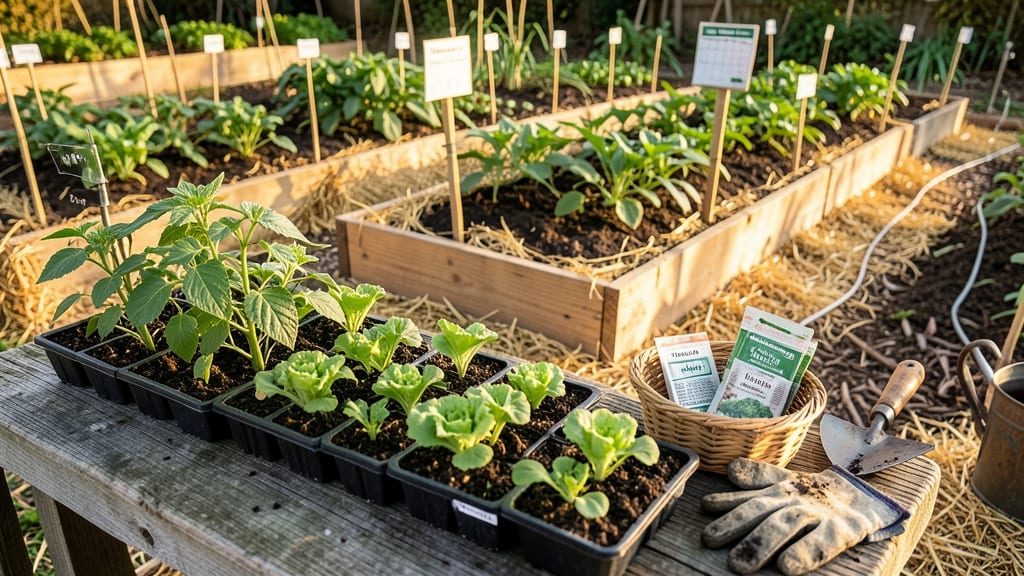
Planting a vegetable garden in California at the right time means the difference between a bountiful harvest and wasted seeds—especially when coastal fog clashes with inland heat.
California’s diverse climates—from the chilly coastal zones to the scorching Central Valley—make timing everything. Plant too early, and your 🌱 seedlings could fry in a heatwave. Too late, and you miss the sweet spot for frost-sensitive crops like tomatoes or peppers.
Whether you’re in Zone 7 coastal areas or the 100-degree summers of the San Joaquin Valley, knowing when to start is the key to avoiding stunted growth or bolting greens.
Here’s the breakdown you need: exact planting windows for coastal vs. inland regions, plus pro tips for soil prep and crop selection that actually works in California’s wild weather.
California coastal planting schedule: best months for foggy vs. mild zones
California’s coastal regions offer unique gardening opportunities thanks to their mild temperatures and marine layer influence. Unlike inland areas, coastal zones—from San Francisco to San Diego—experience cooler summers and warmer winters, creating distinct planting windows for vegetables.
Understanding these microclimates helps you avoid heat stress or chilling injuries while maximizing yields.
The North Coast (e.g., Mendocino, Sonoma) has cooler summers and frequent coastal fog, while the Central Coast (Monterey, Santa Barbara) enjoys milder winters and longer growing seasons.
The Southern Coast (Los Angeles, San Diego) often experiences warmer winters and drier summers, requiring adjustments for heat-tolerant crops like okra and sweet potatoes.
Here’s how to align your planting schedule with these coastal microclimates for successful vegetable gardens:
For the North Coast, start cool-season crops like kale and peas in February to avoid late spring frosts.
Wait until May–June for warm-season crops like tomatoes and peppers, as the marine layer keeps soil cooler longer. Okra and sweet potatoes thrive here due to the extended growing season.
On the Central Coast, you can plant lettuce and carrots as early as January, but shift warm-season crops to April–May to align with soil warming. Black-eyed peas and Malabar spinach are excellent heat-tolerant choices for this zone’s milder summers.
The Southern Coast offers the earliest starts, with cool-season crops like broccoli and cauliflower planted by December. Warm-season crops like cucumbers and beans go in by March, while yams and cowpeas handle the warmer winters better than other regions.
Pro tip: Use row covers in early spring to protect tender seedlings from coastal winds and unpredictable fog. For heat-loving crops, mulch heavily to retain moisture during summer dry spells, especially in Southern Coast gardens.
Monitor local microclimates—your backyard might be warmer or cooler than the general region. Adjust planting dates by 1–2 weeks based on your specific frost history and sun exposure.
By aligning your planting schedule with these coastal guidelines, you’ll enjoy healthier plants, larger yields, and fewer pests—all while working with nature’s coastal rhythm. Happy gardening! 🌱
Inland California planting timeline: heat zones and succession planting strategies
Inland California gardens face a unique challenge: intense summer heat that can scorch young plants before they establish. Unlike coastal areas, inland valleys like the Central Valley and Desert regions have shorter, more intense growing seasons.
The key to success? Adjusting planting dates and using succession planting to avoid heat stress and extend harvests.
For example, lettuce and spinach bolt in temperatures above 80°F, while peppers and cucumbers thrive in the heat—if planted at the right time. My strategy? Start heat-tolerant crops early and cool-season crops late to maximize yields without wilting under the sun.
- 1 Early Spring Planting (Feb-March): Sow heat-loving crops like peppers, tomatoes, and eggplants indoors or under shade cloth. Transplant outdoors after last frost (typically mid-April in the Central Valley).
- 2 Late Summer Succession (July-August): Plant fast-maturing crops like bush beans, radishes, and leaf lettuce for a fall harvest before winter chill sets in. Use shade cloth to protect seedlings from 100°F+ days.
- 3 Staggered Cucumber Planting: Sow cucumber seeds every 2 weeks from May to July for continuous harvests. Choose heat-tolerant varieties like 'Straight Eight' or 'Marketmore' to handle 90°F+ soil temps.
- 4 Drip Irrigation is Non-Negotiable: Water deeply in the morning to prevent evaporative stress. Avoid overhead sprinklers, which can scorch leaves during peak heat (12–4 PM).
- 5 Fall Planting Window (Sept-Oct): Transition to cool-season crops like kale, carrots, and broccoli once daytime temps drop below 85°F. Mulch heavily to retain moisture and protect roots from temperature swings.
One of my biggest lessons? Don’t rush to plant tomatoes or peppers in March—even if the weather feels mild. Soil temperatures in inland areas can still be too cool for seed germination. Use a soil thermometer to confirm 60°F+ before sowing.
For continuous harvests, I’ve found that succession planting every 2 weeks works wonders. For example, sow bush beans in May, June, and July to ensure a steady supply through September.
Pair this with vertical trellises for cucumbers to save space and improve airflow, reducing disease risk in the heat.
Pro tip: If you’re in the Desert regions (like Palm Springs or Riverside), focus on shade-loving crops like lettuce and spinach in winter months (Nov–Feb). Use 50% shade cloth to protect seedlings from evening heat retention.