
Tools
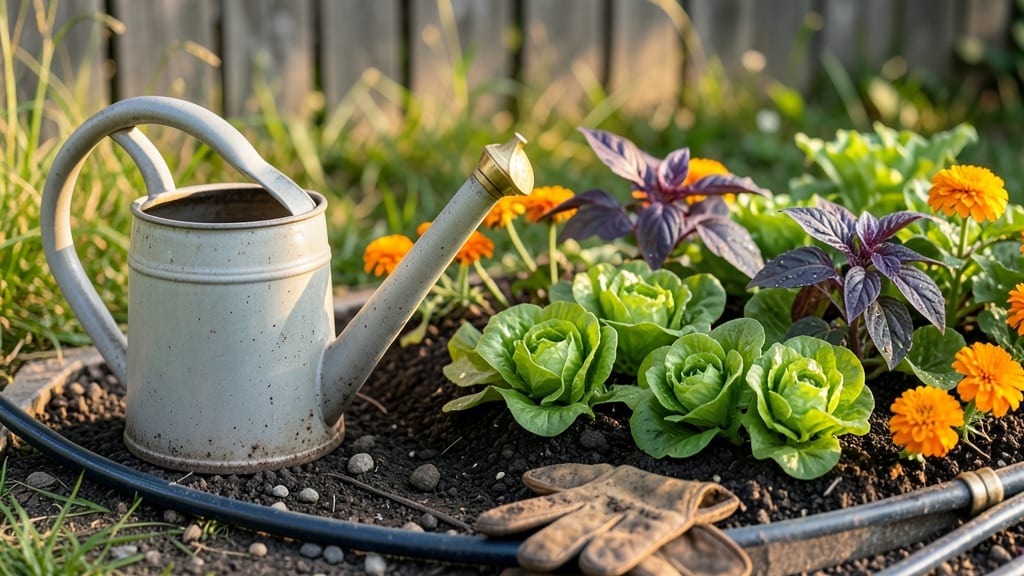
Watering your garden bed properly is the secret to strong roots, fewer weeds, and less wasted water — and it starts with understanding how much, when, and where to apply it.
Struggling with uneven plant growth or wasted water in your garden beds? The key to thriving plants lies in understanding how to water strategically—not just how much, but where and when to hydrate for maximum root development.
Most gardeners overwater because they focus on the top layer of soil, but deep, consistent moisture is what your 🌱 garden bed really needs. A 5-minute morning watering can save gallons compared to daily sprinkles, and the right tools make it effortless.
Below, I’ll break down how to divide your beds into watering zones, the best methods for different plants, and how to automate the process so you spend less time fussing and more time enjoying your garden.
How to divide garden beds into watering zones for deep root growth
If your garden beds look like a patchwork of thriving and struggling plants, the issue might not be your watering amount—it’s your watering zones. Plants absorb water differently based on their root depth and soil composition.
By dividing your beds into strategic zones, you’ll deliver hydration exactly where roots need it most, reducing runoff and promoting stronger root systems.
Think of your garden bed like a layered cake: the top layer (topsoil) feeds shallow-rooted plants like lettuce, while deeper layers (subsoil) nourish taproots like carrots. Without proper zoning, water either evaporates too quickly or pools where it’s not needed.
The solution? Mapping your beds based on plant types and soil profiles to create custom watering zones.
Here’s how to start: First, assess your soil type—clay holds moisture longer but drains poorly, while sandy soil dries out fast. Next, group plants by their root depth requirements.
For example, herbs like basil have shallow roots, while perennials like lavender need deep hydration. This targeted approach ensures every drop of water works harder for your plants.
| Zone Type | Root Depth | Watering Depth | Soil Type | Example Plants |
|---|---|---|---|---|
| Topsoil Zone | 0-6 inches | 0.5-1 inch | Loamy, well-draining | Lettuce, basil, spinach |
| Mid-Root Zone | 6-18 inches | 1-2 inches | Sandy loam | Tomatoes, peppers, marigolds |
| Deep-Root Zone | 18+ inches | 2-3 inches | Clay or loamy | Carrots, asparagus, lavender |
To create your zones, sketch a simple map of your garden bed. Use stakes or flags to mark boundaries for each zone. For instance, dedicate one side of your bed to shallow-rooted annuals and another to deep-rooted perennials.
This separation prevents competition for water and nutrients, giving each plant the optimal hydration it craves.
Pro tip: Mulch each zone differently based on its needs. Use straw mulch for shallow-rooted plants to retain moisture near the surface, while wood chips work better for deep-rooted plants to slowly release water deeper into the soil. This small tweak can double your water efficiency and keep roots healthy.
Don’t forget to adjust your watering schedule by zone. Shallow-rooted plants need frequent, light watering, while deep-rooted plants thrive with infrequent deep soaks. For example, water your lettuce every 2-3 days with 0.5 inches of water, but give your carrots a weekly deep watering of 2 inches.
This precision eliminates waste and strengthens roots.
Soil type plays a critical role in zone success. Clay soil holds water longer, so you’ll need fewer waterings but deeper penetration. Sandy soil, on the other hand, drains quickly, requiring more frequent but shallower watering.
Test your soil’s drainage by digging a hole, filling it with water, and timing how long it takes to drain—this tells you exactly how to tailor your zones.
Once your zones are mapped, monitor them weekly. Stick your finger 2 inches deep in the soil of each zone to check moisture levels. If the topsoil is dry but the subsoil is damp, you’re overwatering shallow roots.
If both layers are dry, it’s time to hydrate the entire zone. This hands-on check ensures you’re not guessing—you’re optimizing for root health.
By dividing your garden beds into watering zones, you’ll see stronger stems, healthier foliage, and fewer wilting plants. Plus, you’ll save water and reduce runoff, making your garden both efficient and sustainable.
Start small with one bed, refine your zones, and watch your plants thrive like never before.
Smart watering techniques by plant type: when and how much to apply
Watering your garden bed isn't a one-size-fits-all task. Different plants have unique needs, and understanding when and how much to water can transform your garden from struggling to thriving. Vegetables like tomatoes and peppers need consistent moisture, while drought-resistant perennials like lavender thrive with minimal water.
The key is matching your watering schedule to the plant's natural growth patterns and root depth.
Morning watering is almost always the best choice because it allows foliage to dry before evening, reducing the risk of fungal diseases like powdery mildew. Aim to water between 6 AM and 10 AM to give plants a full day to absorb moisture.
Evening watering can lead to damp leaves that stay wet overnight, creating a breeding ground for pests and diseases. Always prioritize deep, infrequent watering over light, frequent sprinkles to encourage strong root development.
🌱 PROS-CONS BOX: Morning vs. Evening Watering
Morning Watering
- Reduces evaporation
- Prevents fungal growth
- Encourages deep root growth
- May require earlier wake-up
- Less effective in hot climates
Evening Watering
- Cools plants in heat
- Easier for gardeners
- Increases disease risk
- Wastes water through evaporation
- Slows root development
For vegetables like lettuce, spinach, and herbs, aim for 1-1.5 inches of water per week, including rainfall. These plants prefer consistent moisture and benefit from daily watering during hot spells.
Use a soaker hose or drip irrigation to deliver water directly to the soil, avoiding wet leaves. Root vegetables like carrots and beets need even moisture to prevent cracking, so mulch heavily to retain soil moisture.
Flowers and shrubs typically require less frequent watering than vegetables. Most established perennials only need 1 inch of water per week, while annuals like petunias and marigolds thrive with 1-2 inches weekly. Drought-tolerant plants like lavender, yarrow, and sedum can survive on as little as half an inch of water per week once established. Always check soil moisture by sticking your finger 1-2 inches deep—if it's dry, it's time to water.
Mulching is your best friend when it comes to water conservation. Apply a 2-3 inch layer of mulch (straw, wood chips, or shredded leaves) around plants to lock in moisture and regulate soil temperature. This reduces evaporation by up to 30% and minimizes weed competition.
For container gardens, use mulch or pebbles to slow water loss, but avoid letting containers sit in standing water, which can cause root rot.
Adjust your watering schedule based on weather conditions and seasonal changes. During summer, you may need to water daily, while winter often requires bi-weekly watering. Always observe your plants—wilting leaves or yellowing foliage can signal over- or under-watering.
With these smart techniques, you'll waste less water and grow healthier, happier plants all season long. 💧