
Watering
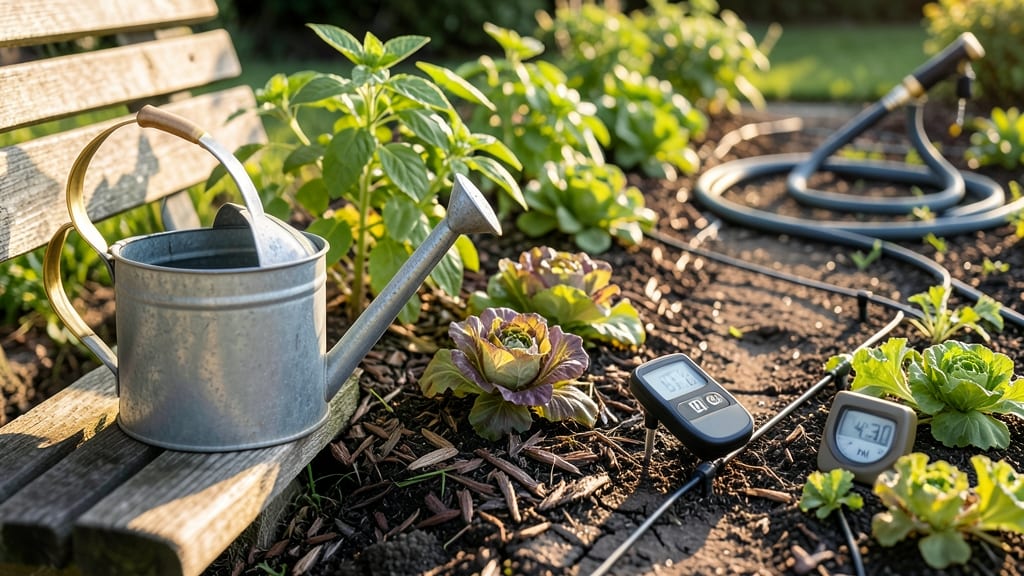
Watering your vegetable garden every day can actually harm your plants—even though it might feel like the right move during dry spells.
Overwatering is a silent killer in gardens, causing root rot, fungal diseases, and wasted water. Yet many gardeners assume more water equals better growth, only to watch their 🥬 plants struggle or wilt. The truth? Most vegetables thrive on deep, infrequent watering that encourages strong roots.
In this guide, I’ll break down the ideal watering schedule for your vegetable garden, including how to adjust for soil type, weather, and plant needs. You’ll learn when daily watering is necessary (and when it’s a mistake), plus signs your garden is getting too much—or too little—water.
By the end, you’ll have a simple, science-backed routine that keeps your garden lush without the guesswork. Let’s dive in!
How often should you water vegetable gardens based on plant type and climate
Watering your vegetable garden isn't a one-size-fits-all task. Leafy greens like lettuce and spinach need consistent moisture, while root crops such as carrots and potatoes prefer drier conditions. Understanding these differences is key to avoiding overwatering risks like root rot or fungal diseases.
Climate plays an equally critical role—arid regions demand deep, infrequent watering, while humid climates require lighter, more frequent sessions to prevent moisture buildup.
Most gardeners make the mistake of assuming a daily watering routine works for all vegetables. In reality, tomatoes and peppers thrive with deep watering every 2-3 days during hot weather, while herbs like basil prefer slightly drier soil between waterings.
The key is matching your schedule to the plant's needs and your local climate conditions. Let's break down the science-backed approach to keep your garden thriving without wasting water.
For leafy greens, shallow watering daily can lead to root suffocation, while root vegetables like carrots and potatoes need well-draining soil to develop properly. In arid climates, water deeply but infrequently—aim for 1-2 inches per week—to encourage deep root growth.
In contrast, humid climates require lighter, more frequent watering to prevent fungal diseases like powdery mildew. Always water in the early morning to reduce evaporation and allow foliage to dry quickly.
Soil type also influences watering needs. Sandy soil drains quickly and may need daily watering during heatwaves, while clay soil holds moisture longer and can go 3-4 days between waterings. Conduct a simple finger test: insert your finger 1-2 inches into the soil.
If it feels dry, it's time to water. If it's damp, wait another day. This method helps you adjust your schedule based on real-time soil conditions rather than relying on a rigid calendar.
Watch for visual cues that indicate you're overwatering or underwatering. Yellowing leaves, mold, or wilting despite moist soil are clear signs of overwatering.
On the other hand, crispy edges, drooping leaves, or stunted growth signal underwatering. Tomatoes, for example, often show blossom end rot when soil moisture fluctuates too much. Adjust your watering routine immediately if you spot these symptoms to save your plants.
Seasonal changes also demand adjustments to your watering schedule. During summer months, increase frequency to every other day or daily for heat-loving crops like peppers and cucumbers. In fall and winter, reduce watering to every 5-7 days as plants enter dormancy.
Mulching with straw or wood chips helps retain moisture and regulate soil temperature, reducing the need for frequent watering.
Don't overlook the importance of mulch in your watering strategy. A 2-3 inch layer of organic mulch around your plants conserves moisture, suppresses weeds, and keeps soil temperatures stable. This is especially beneficial in hot climates where soil can dry out rapidly.
For container gardens, water more frequently—every 2-3 days—since potted soil dries out faster than in-ground soil. Always check the top inch of soil before watering to avoid over- or underwatering.
To maximize efficiency, use a drip irrigation system or soaker hoses to deliver water directly to the roots. This method reduces waste by minimizing evaporation and runoff. Avoid overhead watering, which can spread diseases and waste water.
Smart watering schedules: when to water daily vs. every other day
Deciding whether to water your vegetable garden every day or every other day depends on more than just guesswork. Seedlings and leafy greens like lettuce often need daily watering during hot summer months, but mature plants like tomatoes or peppers can thrive on every-other-day watering once established.
The key is understanding your soil type and weather conditions—not just following a rigid schedule.
I’ve learned the hard way that overwatering can suffocate roots just as much as underwatering. The solution? A soil moisture test—simply stick your finger 1-2 inches into the soil.
If it feels dry, it’s time to water. If it’s damp, wait another day. This simple trick saves water and keeps your plants healthy without the guesswork.
- 🌱 Daily Watering: Seedlings or hot summer days (90°F+), sandy soil, leafy greens (lettuce, spinach), shallow-rooted plants
- 💧 Every Other Day: Established plants (tomatoes, peppers, squash), loamy soil, cooler weather (60-80°F), deep-rooted crops (carrots, potatoes)
- ☀️ Adjust by Season: Spring/Fall: Every 3-5 days | Summer: Daily or every other day | Winter: Bi-weekly
- 📊 Tools to Help: Moisture meter (for precision), drip irrigation (consistent watering), mulch (retains moisture)
- ⏰ Best Time: Morning (6-9 AM) reduces evaporation and fungal risks
Your plant growth stage also dictates watering needs. Seedlings require frequent, light watering to keep their delicate roots moist, while mature vegetables benefit from deep, infrequent watering that encourages strong root development.
For example, my tomato plants thrive on deep watering every other day once they’re 6 inches tall, but their seedlings needed daily misting for the first two weeks.
Don’t forget to account for rainfall—a good soaking rain can replace 1-2 days of watering, depending on intensity. I always check my local weather forecast before watering; if rain is expected, I’ll skip the hose and let nature do the work.
This habit has cut my water usage by nearly 30% while keeping my garden lush and productive.
For container gardens, the rules change slightly. Potted plants dry out faster, so they often need daily watering—especially in full sun. I’ve found that self-watering containers with moisture sensors are a game-changer for busy gardeners. They deliver water exactly when needed, eliminating the risk of over- or underwatering.
Pro tip: Group plants with similar water needs together in your garden layout. This zoning strategy makes watering more efficient and ensures no plant gets neglected.
For instance, I keep my basil and lettuce near my drip irrigation line, while my zucchini and cucumbers get deeper watering from a soaker hose every other day.