
Light Requirements
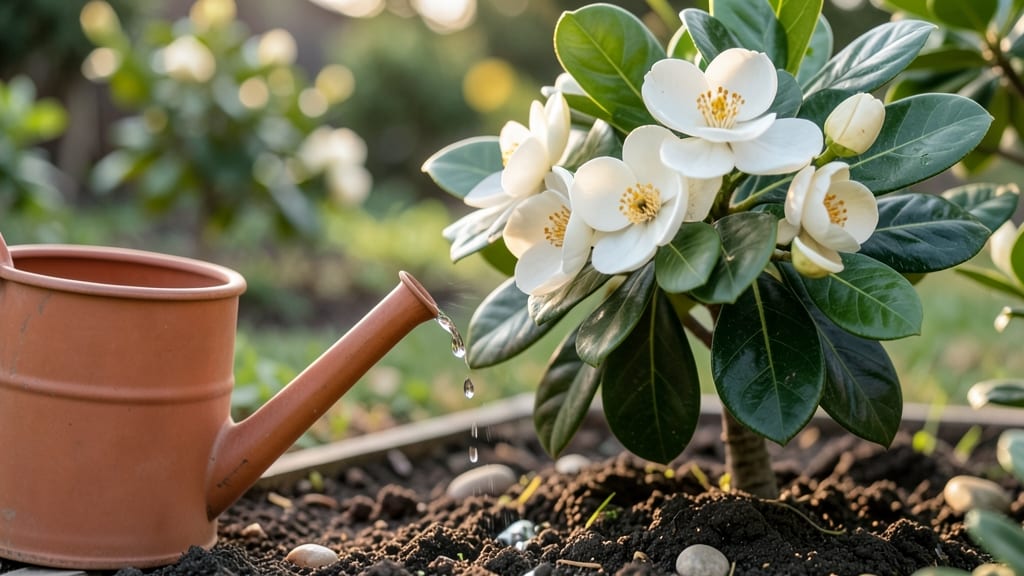
Do gardenias need a lot of water to fuel their fragrant blooms and glossy leaves, but too much can drown these tropical shrubs faster than you’d think?
Picture this: your 🌸 gardenia thrives in General (Zone 6 default) with lush, dark green foliage—until you notice yellowing leaves or mushy stems. That’s the classic sign of watering gone wrong, and it’s easier to fix than you’d expect.
These plants crave moist but not soggy soil, which means checking the top inch before watering and adjusting for seasons. In spring, when they’re pushing new growth, they’ll drink more than in winter’s quiet dormancy.
Below, I’ll break down the exact watering schedule for potted vs. in-ground plants, how to spot overwatering vs. underwatering, and the one trick that keeps your gardenia’s roots happy year-round.
How much water gardenias actually need (and when to adjust)
Gardenias thrive when their soil stays consistently moist but never soggy. As a tropical shrub, it craves humidity but despises waterlogged roots—a balance many gardeners struggle with. The key lies in understanding its seasonal needs, soil type, and how maturity affects water uptake.
Unlike drought-tolerant plants, gardenias signal distress quickly through drooping leaves or yellowing foliage, making precise watering essential for those lush blooms and intoxicating fragrance.
I’ve learned the hard way that overwatering kills faster than underwatering for gardenias. Their roots need oxygen, and compacted or waterlogged soil suffocates them. Yet, letting the soil dry completely between waterings stresses the plant, causing buds to drop before they open.
The solution? A consistent moisture schedule that mimics their native tropical environment without drowning them. Let’s break down the exact approach for your climate and growing conditions.
🌱 GARDENIA WATERING QUICK GUIDE
| Condition | Watering Frequency | Soil Moisture Check | Adjustments |
|---|---|---|---|
| Spring (Active Growth) | Every 2 days | Top 1-2" damp, not wet | Increase if hot winds dry soil faster |
| Summer (Peak Heat) | Daily deep watering | Top 1" dry by late afternoon | Water early morning to reduce evaporation |
| Fall (Pre-Winter) | Every 3-4 days | Top 2" slightly moist | Reduce as temps drop below 60°F |
| Winter (Dormancy) | Bi-weekly light watering | Top 3" dry between waterings | Avoid soggy soil to prevent rot |
| Potted Gardenias | Every 1-2 days | Check weight + moisture meter | Use well-draining mix with perlite |
| Clay Soil | Every 3-5 days | Top 3" dry before watering | Add organic mulch to retain moisture |
| Sandy Soil | Every 1-2 days | Top 1" dry quickly | Water more frequently but shallowly |
Your gardenia’s water needs shift dramatically by season. In spring, when new growth emerges, aim to keep the top 1-2 inches of soil consistently moist. This encourages robust foliage and bud formation. Use your finger to test moisture—if it feels dry at this depth, it’s time to water.
During summer’s peak heat, I’ve found that daily deep watering in the morning prevents wilting while minimizing fungal risks from evening moisture. Pro tip: Mulch heavily with pine bark or shredded leaves to lock in humidity and reduce evaporation.
Soil type plays a huge role in watering frequency. Gardenias planted in clay soil hold moisture longer, so you’ll water every 3-5 days unless it’s unusually hot. In contrast, sandy soil drains too quickly, requiring watering every 1-2 days to maintain consistent dampness.
Always amend heavy clay with compost or perlite to improve drainage, while sandy soil benefits from organic matter to retain moisture. For container gardenias, I recommend a 50/50 mix of peat moss and perlite to balance retention and aeration.
Young gardenias need more frequent watering than mature plants because their root systems are still developing. A 1-year-old shrub should be watered every 2 days in summer, while a 5-year-old plant might only need watering every 3-4 days once established.
The key is to water deeply each time—aim for 1500-2000ml per plant—to encourage roots to grow downward rather than staying shallow. This depth of watering also helps prevent the bud drop that frustrates so many gardeners.
Spotting overwatering vs. underwatering is easier than you think. Overwatered gardenias show yellowing leaves, mushy stems, or a sour smell from the soil—clear signs of root rot.
On the flip side, underwatered plants have crispy leaf edges, drooping foliage, and buds that fall off before opening. I’ve used a simple moisture meter to avoid guess
The hidden dangers of overwatering gardenias (and how to fix it)
Gardenias thrive in consistent moisture, but their tropical roots can't tolerate soggy soil. When you overwater, you're inviting root rot and fungal diseases that turn your fragrant shrub into a sad, yellowing mess.
The key is balance—keeping soil damp but never waterlogged, especially in humid climates where excess moisture lingers.
I've seen gardenias go from glossy green leaves to mushy stems in just weeks when overwatered. The worst part? These plants often show symptoms like yellowing foliage or dropping buds after the damage is already done deep in the roots. Let's fix this before your gardenia becomes a cautionary tale.
Do Gardenias Need a Lot of Water?
No! While gardenias love consistent moisture, they hate soggy soil. Overwatering causes root rot and fungal diseases that kill roots before you see leaf symptoms. The fix? Let the top 1-2 inches of soil dry between waterings—even in summer.
First, check your gardenia's roots. Healthy roots should be white or tan with a slight sheen, while overwatered roots turn dark brown or black and smell foul.
If you see this, act fast—trim away the mushy roots with sterilized shears and repot in fresh, well-draining soil mixed with perlite or orchid bark.
For in-ground gardenias, improve drainage by amending the soil with compost and coarse sand (50/50 mix). Add a 2-inch layer of mulch around the base to regulate moisture—just keep it 2 inches away from the trunk to prevent rot.
This creates a buffer zone that lets excess water evaporate instead of pooling near the roots.
Adjust your watering schedule based on the season. In summer, water deeply every 2-3 days (morning only), while winter calls for bi-weekly watering. Pro tip: Use a moisture meter near the roots—aim for 40-50% moisture at a 2-inch depth. If it reads higher, hold off on watering.
Watch for these 3 red flags of overwatering: yellowing leaves with crisp edges, buds that drop before opening, or a sour smell from the soil. If you catch these early, prune affected foliage and adjust your watering routine.
With the right balance, your gardenia will reward you with scented blooms all season long.