
Watering
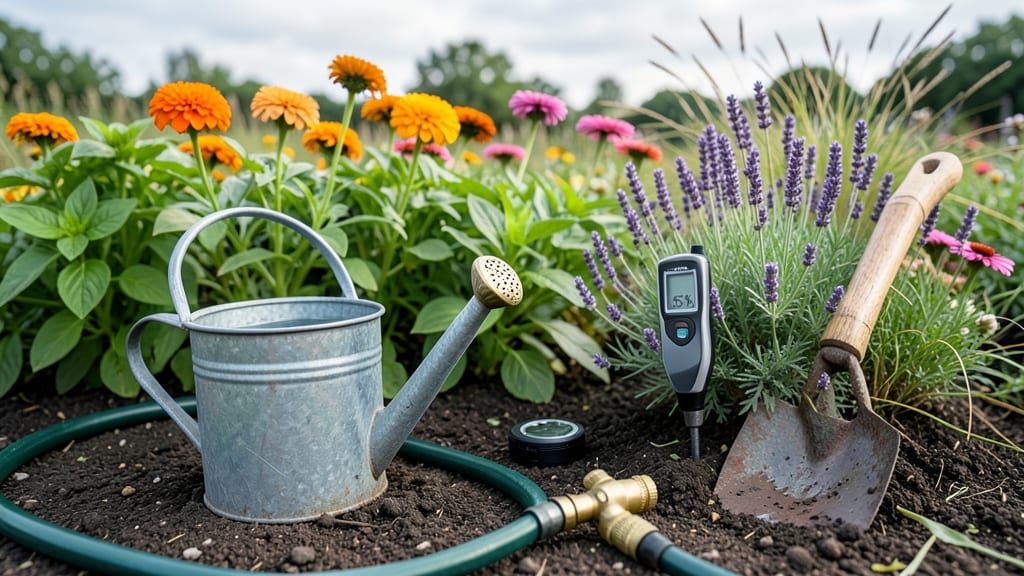
To water your garden correctly, you need to match your schedule to your soil type—because sandy soil drains in hours while clay holds moisture for weeks, and neither extreme works for most plants.
Struggling to keep your garden thriving without overwatering or drowning your plants? The key lies in understanding your soil type—because what works for sandy soil fails miserably for clay.
Most gardeners guess, leading to wilted vegetables or mushy roots. But with the right approach, you can create the perfect moisture balance that keeps your 🌱 General Garden Plants healthy year-round.
Below, I’ll break down how often to water based on your soil, season, and plant type—so you never over- or under-water again.
Watering frequency by soil type: the ultimate guide
Understanding your soil type is the secret weapon in your gardening arsenal. Sandy soil drains like a sieve, while clay soil holds moisture like a sponge. Even loam and silt soils behave differently, changing how often you water.
Get this wrong, and you'll either drown your plants or watch them wilt from thirst. Let's break down the perfect watering schedule for each soil type so your garden thrives—not just survives.
First, test your soil: Grab a handful and squeeze it. If it crumbles easily, you've got sandy soil. If it sticks together like clay, you're dealing with clay soil. Loam feels like a perfect balance—crumbly but moist. Silt is smooth and slightly sticky.
Knowing your soil type means you can tailor your watering routine to match its moisture retention and drainage needs, ensuring roots stay happy and healthy.
Here’s the game-changer: watering frequency isn’t one-size-fits-all. A succulent in sandy soil might need water every 2-3 weeks, while a leafy green in clay soil could require daily watering in summer.
The key is matching your plant type to your soil’s behavior. Let’s dive into the specifics so you can water like a pro.
For sandy soil, think of it as a thirsty friend—it drains water fast, so you’ll need to water more frequently but with deep soaks. Aim for 1-2 inches of water every 1-2 days in summer.
Plants like succulents and lavender love this environment because they hate soggy roots. Use a moisture meter to check depth; if the top 2 inches are dry, it’s time to water.
If your garden has loam soil, congratulations—you’ve got the gold standard for gardening. It’s like the Swiss Army knife of soil types: balanced drainage and moisture retention. Water every 2-3 days in summer, adjusting for rain. Vegetables like tomatoes and herbs like basil thrive here.
The trick? Water at the base of plants in the morning to prevent fungal diseases from evening moisture.
Clay soil is the opposite of sandy—it’s a moisture hoarder. Watering too much can suffocate roots, while too little leaves plants parched. The solution? Light, frequent watering—think every 3-5 days in summer. Plants like hostas and ferns love this soil because it stays damp longer. To improve drainage, mix in compost or sand before planting. And always check the top inch of soil before watering.
Lastly, silt soil sits somewhere between loam and clay. It retains moisture well but isn’t as dense as clay. Water every 2-4 days in summer, depending on rainfall. Root vegetables like carrots and legumes like peas do well here.
To avoid waterlogging, consider raised beds if your silt soil feels too compacted. Mulching with straw or wood chips helps regulate moisture and keeps roots cool.
Pro tip: Mulch is your best friend regardless of soil type. It slows evaporation, keeps roots cool, and reduces weeds. For sandy soil, use organic mulch like straw to retain moisture.
For clay soil, try gravel or pine needles to improve drainage. Adjust your watering routine seasonally—spring and fall need less water than
Signs your garden needs water (or needs to dry out)
Your plants are like your garden's barometer—they silently scream for help when their water needs aren't met. Wilting leaves or yellowing foliage are classic red flags, but they're not the only clues.
Even subtle changes in soil texture or root health can reveal whether you're drowning your garden or letting it thirst.
First, check the soil moisture by sticking your finger 1-2 inches deep. If it feels dry, your plants need water. But if it's soggy, you're overdoing it. Leaf curl or drooping stems also signal dehydration, while mushy stems or fungal spots mean you're watering too much.
Mistake: Watering on a schedule instead of by soil conditions. Fix: Test soil moisture daily—especially in extreme heat or after rainfall.
Mistake: Ignoring leaf color changes (yellow = overwatered, brown = underwatered). Fix: Adjust based on plant type and season.
Mistake: Watering leaves instead of the soil base. Fix: Direct water to roots to prevent fungal diseases.
Pay attention to root health—healthy roots should be white or light brown, while black or mushy roots scream overwatering. For succulents or cacti, wrinkled skin means they need hydration, but for vegetables like tomatoes, drooping leaves signal thirst.
Morning is the best time to water because it reduces evaporation and fungal growth. If your garden feels spongy when walked on, it's likely waterlogged. In contrast, hard, cracked soil means it's parched and needs a deep soak.
Create a troubleshooting checklist for your garden: note which plants wilt fastest, which recover quickly, and how your soil behaves after rain. Mulch can help retain moisture for longer, while drip irrigation delivers water directly to roots.
Remember, every plant has unique needs—herbs like basil need consistent moisture, while lavender thrives on drought. Observe, adjust, and trust your plants to guide you. Healthy roots lead to vibrant blooms! 🌱