
Container Gardens
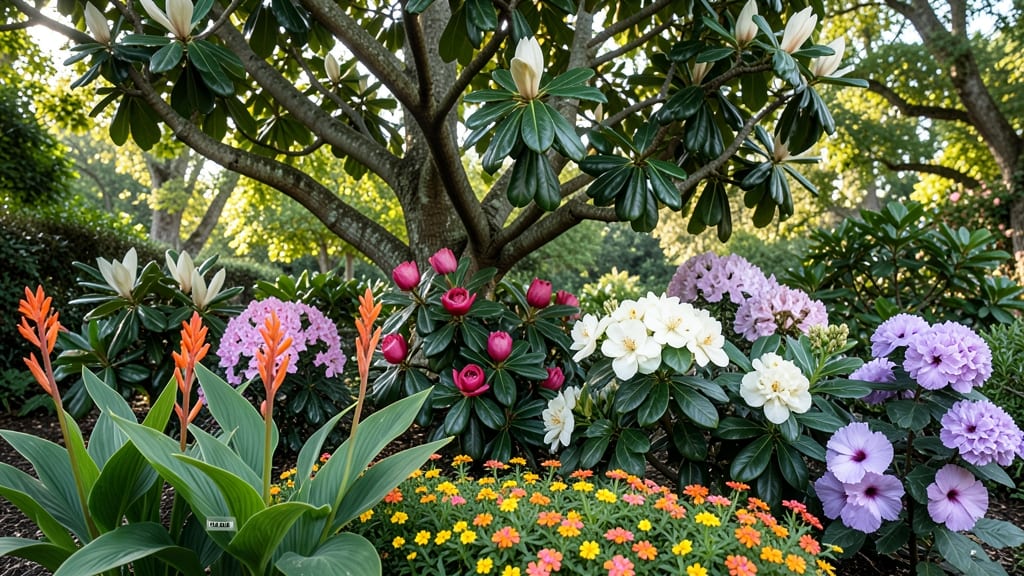
Exploring botanical gardens in Fort Bragg reveals peaceful retreats where native plants meet military history, featuring the Fort Bragg Botanical Garden and scenic Old Post Quadrangle trails adorned with Carolina wildflowers and preserved landscapes reflecting Army traditions.
The gardens here aren't just green spaces—they're living history books. 🌿 The Fort Bragg Botanical Garden showcases over 150 native species, including rare Carolina azaleas and black-eyed Susans, all carefully selected to thrive in the region's climate.
What's fascinating is how the military's landscaping traditions blend with ecological restoration, creating trails that double as educational experiences about Southeastern U.S. flora. The Old Post Quadrangle area, with its century-old oak trees, offers a glimpse into how soldiers historically maintained gardens during their service.
For visitors, these gardens serve as both inspiration and instruction. The Army Heritage Trail, for example, winds past military monuments while highlighting seasonal blooms that change with each visit.
You'll find practical gardening tips hidden among the history—like how to create your own native plant garden using the same techniques that have sustained Fort Bragg's landscapes for decades. It's a perfect blend of nature, heritage, and hands-on learning.
💡 In This Article
- Native Flora and Military Landscape Design in Fort Bragg Gardens
- Best Hidden Trails for Plant Lovers and History Buffs
Native flora and military landscape design in Fort Bragg gardens
The gardens at Fort Bragg represent a fascinating fusion of military precision and ecological stewardship. The landscape architects here prioritize native Southeastern U.S. species like Carolina azaleas (Rhododendron carolinianum), which thrive in the region's acidic soils and provide vital pollinator habitats.
These plants aren't just chosen for beauty—they're selected based on their historical role in military landscaping traditions dating back to the 19th century when soldiers were often responsible for garden maintenance. 🌸 The azaleas, with their vibrant spring blooms, create striking visual contrasts against the military's structured layouts.
One standout example is the black-eyed Susan (Rudbeckia hirta), a hardy perennial that requires minimal water once established—a practical consideration for military gardens where maintenance resources can be limited.
These plants typically reach 2-3 feet in height and bloom from summer through fall, providing long-lasting color that complements the formal military aesthetics.
The gardens also incorporate native grasses like switchgrass (Panicum virgatum), which were historically used for erosion control and now serve as modern ecological restoration tools, reducing the need for irrigation by up to 40% compared to non-native alternatives.
The integration of these plants follows specific military landscaping principles that balance functionality with visual appeal. For instance, the Old Post Quadrangle features carefully spaced century-old oak trees (Quercus spp.) that create natural shade patterns aligning with historical military parade routes.
These trees weren't just planted randomly—they were strategically placed to provide shade for troops during hot afternoons while maintaining sightlines for security. The understory planting of Virginia bluebells (Mertensia virginica) adds seasonal color without competing with the dominant oak canopy, demonstrating how military landscaping prioritizes both practicality and beauty.
What makes Fort Bragg's approach particularly interesting is its ecological restoration component. The gardens serve as living laboratories where native plant species are reintroduced to restore habitats for endangered species like the red-cockaded woodpecker, which relies on mature pine forests.
The military's long-term stewardship of these lands—some areas have been maintained continuously since the 1840s—provides valuable data on how native plants respond to climate variations over decades. This creates a unique opportunity to observe long-term ecological patterns that are often difficult to study in shorter-term botanical settings.
Visitors often notice how the garden paths follow historical military grid patterns while incorporating natural contours. These trails weren't designed for aesthetics alone—they were planned to guide visitors through educational zones that highlight different ecological zones within the post.
For example, the Army Heritage Trail features sections that mimic the three-tiered planting system used in 19th-century military gardens: tall trees for structure, mid-height shrubs for texture, and ground covers for stability.
This system not only creates visual interest but also demonstrates how military gardens historically provided multiple ecological functions while maintaining their formal appearance.
The result is a landscape that feels both timeless and innovative. The gardens demonstrate how military institutions can lead in ecological restoration while preserving their historical character. For plant enthusiasts, this means seeing firsthand how native species can be integrated into structured environments without sacrificing either beauty or functionality.
The careful balance of formal military design with natural ecological processes creates a unique botanical experience that you won't find in most public gardens. 🌿