
Container Gardens
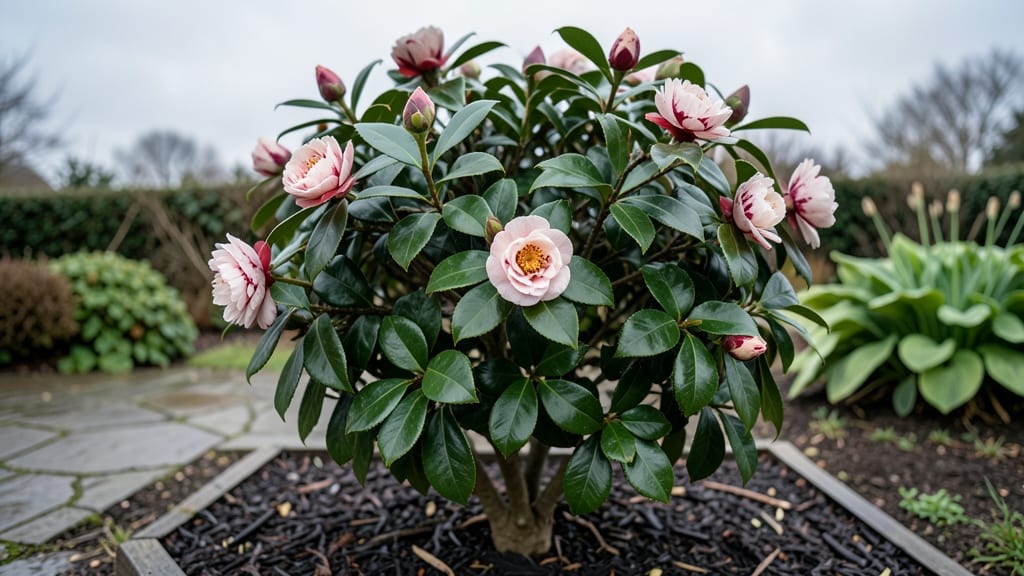
The Botanical Gardens Gainesville features 92 acres of meticulously curated plant collections, rare botanical species, and themed walking paths like the serene Japanese Garden and the immersive Wild Florida Trail, all designed to inspire both conservation and appreciation for nature's beauty.
This 92-acre sanctuary in Gainesville isn't just a garden—it's a living laboratory where rare orchids, towering palms, and native Florida flora thrive alongside educational exhibits. 🌿 The gardens prioritize conservation through propagation programs for endangered species, making each visit both visually stunning and ecologically meaningful.
Whether you're drawn to the tranquil Japanese Garden or the vibrant Butterfly Garden, every trail offers a unique perspective on Florida's diverse ecosystems.
Beyond the main attractions, hidden gems like the Canopy Walkway provide elevated views of the treetops, while the Wild Florida Trail immerses visitors in the state's natural habitats. The gardens also host seasonal events, from orchid displays to family-friendly workshops, ensuring year-round engagement.
Accessibility features like paved paths and wheelchair-friendly areas make it welcoming for all visitors.
💡 In This Article
- Exploring Gainesville Botanical Gardens’ Unique Plant Collections
- Best Hidden Trails and Seasonal Highlights in Gainesville Botanical Gardens
Exploring Gainesville botanical gardens’ unique plant collections
The gardens' orchid collection is a global showcase with over 1,200 hybrids from tropical regions, including rare species like the Cattleya labiata with its velvety magenta blooms. These epiphytes thrive in the gardens' humidity-controlled glasshouses where temperatures hover around 75-85°F with 60-70% humidity—mimicking their natural cloud forest habitats.
The conservation team actively propagates endangered orchids like the Spiranthes cernua (ladies' tresses), which faces habitat loss due to urban development.
Florida's native flora takes center stage in the Wild Florida Trail, featuring 200+ plant species adapted to the region's sandy soils and seasonal rains. You'll find towering Sabal palmetto palms reaching 60 feet tall and delicate Florida coontie cycads, a prehistoric-looking plant that once sustained Native Americans.
The gardens' propagation lab works with partners like the University of Florida to study these species' resilience to climate change, particularly their drought tolerance mechanisms.
What makes these collections special is their educational integration. Each plant label includes QR codes linking to detailed care guides and conservation status updates. For instance, the Gainesville tree collection features 100+ species with interactive maps showing their global distributions.
The gardens' seed bank preserves genetic material from endangered plants, ensuring biodiversity even if wild populations decline.
Seasonal transformations highlight the collections' diversity. Spring brings azalea blooms in vibrant pinks and whites, while fall showcases crape myrtles with bark that peels to reveal stunning textures.
The Japanese Garden features 30+ bonsai trees meticulously pruned using the yose-ue technique, where branches are shaped to resemble natural growth patterns over decades.
For plant enthusiasts, the rare palm collection is a must-see, featuring 80 species including the Washingtonia robusta with its 20-foot fronds. The gardens' palm propagation program has successfully reintroduced 1,500+ palms to Florida's natural landscapes since 2015, demonstrating their commitment to ecological restoration.
The gardens' sensory experiences extend beyond visual appeal. Walk through the citrus grove to smell Valencia oranges (Citrus × sinensis) as they ripen, or visit the herb garden where rosemary and thyme release their aromatic oils when brushed against. These sensory connections make the botanical science feel personal and immediate.