
Planting
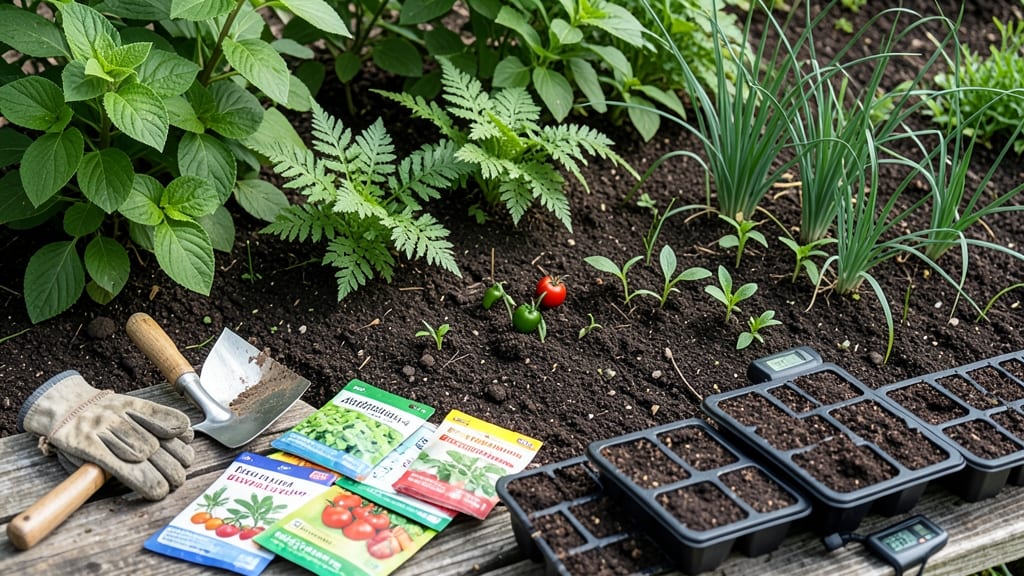
Planting a garden in Virginia means timing your seeds and transplants to avoid the last frost—and that window shifts wildly from the coastal plains to the mountains.
Miss it by even a week, and your tomatoes might bolt before they ripen, or your broccoli could freeze into mush. The good news? With Virginia’s 6a-8a zones, you’ve got options—whether you’re in Richmond’s 7b or Norfolk’s 8a.
This guide breaks down the exact deadlines for spring and fall planting, so you can start cool-season crops like spinach in February and warm-season favorites like peppers after April 15 (or earlier in the Tidewater).
No more guessing—just a clear schedule to maximize your harvest, whether you’re growing 🌱 herbs, veggies, or flowers.
Virginia planting zones & frost-free deadlines by region
Virginia spans USDA hardiness zones 5b through 8a, creating dramatic differences in frost dates from the Blue Ridge Mountains to the Tidewater region. Whether you're in Richmond (Zone 7a) or Roanoke (Zone 6b), knowing your last spring frost and first fall frost is critical.
These dates determine when to plant warm-season crops like tomatoes and when to start cool-season greens like spinach.
Microclimates add complexity—urban areas (like Arlington) often warm up faster than rural spots, while high-elevation gardens (above 2,000 feet) may experience frost weeks later than valley floors.
For example, Charlottesville (Zone 7b) typically sees its last frost by April 15, while Blacksburg (Zone 6a) can linger until May 1.
Below is a region-by-region breakdown of Virginia’s frost-free windows, including adjustments for mountain zones and coastal areas. Use these deadlines to align your planting with crop maturity timelines—nothing’s worse than a frost-killed tomato plant or bolting lettuce from heat stress.
🌱
| Region & Zone | Avg. Last Spring Frost | Avg. First Fall Frost | Frost-Free Season (Days) | Planting Adjustments |
|---|---|---|---|---|
| Northern VA (Zone 5b-6a): Roanoke, Blacksburg | April 20–May 5 | October 15–20 | 170–190 | Wait until May 10 for tomatoes; use row covers in Zone 5b. |
| Central VA (Zone 6b-7a): Richmond, Charlottesville | April 1–15 | October 25–November 5 | 210–230 | Start peas in February; transplant basil after April 15. |
| Southern VA (Zone 7b-8a): Norfolk, Virginia Beach | March 15–April 1 | November 15–December 1 | 240–260 | Fall planting extends to November 1 for greens. |
| Blue Ridge Mountains (Zone 5b-6a): Above 2,000 ft | May 1–15 (later) | October 1–15 (earlier) | 150–170 | Choose shorter-season varieties (e.g., 'Early Girl' tomatoes). |
| Urban Heat Islands (Zone 7a-7b): Arlington, Alexandria | March 25–April 5 (earlier) | October 20–30 (later) | 220–240 | Plant heat-tolerant crops like okra and sweet potatoes. |
For high-altitude gardens in the Blue Ridge, add 2–3 weeks to the frost dates listed above. The Appalachian Trail region near Dallas (Zone 5b) can see frost as late as May 20, so opt for cold-hardy varieties like kale or Swiss chard for early spring harvests.
In Zone 8a (eastern Virginia), you can push the envelope with fall planting. Try sowing spinach or radishes as late as October 15—they’ll mature before the first frost. Meanwhile, Zone 5b gardeners should focus on succession planting to maximize their short season.
Pro tip: Use the Virginia Cooperative Extension’s interactive zone map to pinpoint your exact location. Urban gardens in Northern Virginia (like Fairfax) often experience 5–7°F warmer microclimates than rural areas just miles away. This can shift your planting window by 1–2 weeks—so check local records!
🌿
Remember, frost dates are averages—not guarantees. Keep a garden journal to track your local patterns. For example, my Zone 6b garden in Lynchburg saw a late frost in 2022 that delayed tomato planting until May 10, even though the average was April 10.
Plan for flexibility, and always have row covers on hand for unexpected cold snaps.
✂️
Best planting times for Virginia’s most popular crops
Virginia’s USDA zones 5b-8a create a unique growing window where cool-season crops thrive in spring and fall, while warm-season plants need precise timing after frost danger passes. The key?
Knowing your last frost date (typically mid-April in the Piedmont, earlier in coastal areas) and planning for succession planting to maximize harvests. Whether you’re growing heat-loving okra or frost-tolerant kale, timing makes all the difference.
For warm-season vegetables like tomatoes and peppers, wait until soil temperatures hit 60°F+—usually late April to early May in most of Virginia. Cool-season crops such as spinach and cilantro, however, can handle light frosts and should go in 4-6 weeks before your last frost.
Flowers like marigolds and zinnias bridge both seasons, offering year-round color if planted correctly. Let’s break down the exact windows for Virginia’s top crops.
- 🌱 Spinach, Lettuce, Kale: March-April (6-8 wks before last frost) & August-September (for fall harvest).
- 🌿 Cilantro, Parsley: February-March & September (bolts in heat).
- 🥕 Carrots, Radishes: March-April & August (thin seedlings to avoid crowding).
- 🍅 Tomatoes, Peppers: April 15-May 1 (soil at 60°F+). Use row covers for early starts in Zone 5b.
- 🌶 Okra, Sweet Potatoes: May 15-June 1 (heat-tolerant varieties like 'Clemson Spineless' okra thrive in Virginia’s summer).
- 🌱 Beans (Bush/ Pole): April 20-May 10 (direct-sow after frost; avoid planting with corn).
- 🌼 Marigolds, Zinnias: April 1-May 15 (direct-sow; deadhead for continuous blooms).
- 🌿 Basil: May 1-June 1 (heat-loving; avoid frost—plant after last frost!).
- 🌻 Nasturtiums: March-April (tolerates light frost; great for shade gardens).
- 🔄 Every 2-3 weeks: Sow lettuce, radishes, or beans in small batches for staggered harvests.
- 🌱 Fall crops: Plant broccoli, cabbage in August for winter harvests before first frost.
- ☀️ Extend seasons: Use row covers to plant spinach in September or kale in October.
Pro tip: Zone 5b growers (like Richmond) should err on the side of caution—wait until May 1 for warm-season crops to avoid late frosts. Meanwhile, Zone 7b+ (Norfolk, Virginia Beach) can plant tomatoes as early as April 1 and enjoy longer harvest windows.
Always check Virginia Cooperative Extension’s frost maps for your specific county.
For herbs like basil, don’t rush—plant too early, and a single frost will kill your plants.
Instead, wait until after Mother’s Day (around May 10) when soil is consistently warm. Flowers like zinnias are forgiving, though, and can handle light frosts if planted in late March for a summer-long display.
Remember: Succession planting is your secret weapon. By staggering lettuce every 2 weeks from March to September, you’ll enjoy fresh greens year-round without gaps. And for warm-season crops, don’t stop at one planting—late-summer beans (sown in August) will thrive in Virginia’s mild fall weather.