
Planting
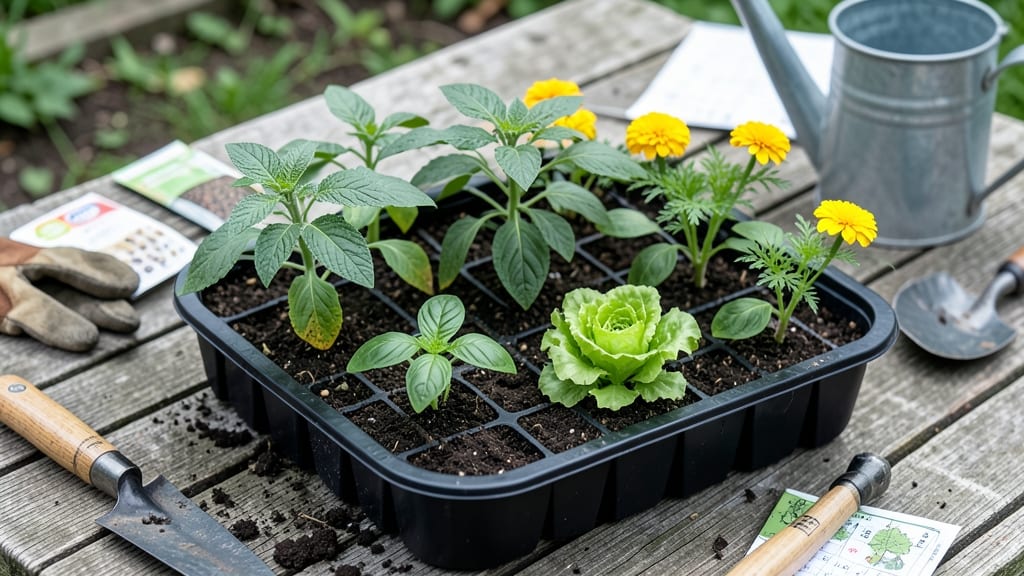
The best time to plant a garden depends on soil warmth, frost dates, and even the moon’s phases — and getting it wrong can mean wasted seeds or stunted growth.
Picture this: you’ve spent weeks preparing beds, ordering seeds, and dreaming of a bountiful harvest — only to watch your seedlings bolt in the heat or freeze under a surprise frost. Timing is everything, and most gardeners still guess instead of using science-backed cues like soil temperature or lunar cycles.
In USDA Zone 6, where spring’s last frost typically lands on April 15, cool-season crops like lettuce and peas can go in as early as March, while tomatoes and peppers need to wait until the soil hits 60°F — usually late May.
But here’s the secret: the moon’s waxing phase isn’t just folklore; it can boost root development by up to 30%.
Below, I’ll break down the exact planting windows for your region, how to read soil temperature like a pro, and the one lunar trick that turns average gardens into thriving ones. Ready to plant with confidence?
Soil temperature guide for planting by region & crop type
Getting your planting timing right isn't just about checking the calendar—it's about reading your soil temperature. Seeds planted in cold soil often rot or fail to sprout, while warm-season crops planted too early can bolt or struggle.
The key is knowing your USDA hardiness zone and matching it with the minimum soil temperature requirements for each plant type.
Most gardeners focus on last frost dates, but soil temperature is the real game-changer. For example, tomatoes need soil that's at least 55°F (13°C) to thrive, while lettuce can handle cooler 40°F (4°C) soils. Even a 10°F difference can mean the difference between a thriving garden and wasted seeds.
Here’s how to use soil temperature to your advantage, broken down by crop type and USDA zone, so you can plant with confidence and avoid common mistakes like seed rot or stunted growth.
| Crop Type | Minimum Soil Temp (°F/°C) | USDA Zones | Best Planting Window | Notes |
|---|---|---|---|---|
| Cool-Season Crops (Lettuce, Spinach, Kale) | 40°F (4°C) | 3-8 | Early Spring (2-4 weeks before last frost) or Fall (6-8 weeks before first frost) | Tolerates cooler soils; avoid planting when soil temps exceed 80°F (27°C) |
| Warm-Season Crops (Tomatoes, Peppers, Basil) | 55°F (13°C) | 5-10 | After last frost, when soil consistently stays above 55°F (13°C) | Use black plastic mulch to warm soil faster in cooler zones |
| Root Vegetables (Carrots, Beets, Radishes) | 45°F (7°C) | All zones | Spring (as soon as soil is workable) or Fall (6-8 weeks before first frost) | Radishes sprout fastest in cooler soils; carrots need consistent moisture |
| Legumes (Peas, Beans, Soybeans) | 50°F (10°C) | 4-9 | Early Spring (peas) or after last frost (beans) | Peas tolerate cooler soils; beans need warm soil for germination |
| Flowers (Marigolds, Zinnias, Sunflowers) | 50°F (10°C) | All zones | After last frost or in Fall (4-6 weeks before first frost) | Sunflowers need warm soil; marigolds are versatile for all seasons |
If you're in USDA zones 1-4, where winters are harsh, focus on cool-season crops like kale and spinach in early spring. Use row covers or cold frames to extend your growing season by 3-4 weeks.
In zones 5-8, you can plant warm-season crops like tomatoes and peppers as early as April in the South, but wait until May or June in the North.
For zones 9-11, where winters are mild, you can plant warm-season crops year-round, but avoid planting during the hottest months (July-August) to prevent bolting. Instead, opt for succession planting in spring and fall for continuous harvests.
To check your soil temperature, use a soil thermometer (insert it 2-3 inches deep) in the morning for the most accurate reading. If your soil is too cold, try black plastic mulch or straw covers to warm it up faster. For cool-season crops, a simple
Moon phase planting calendar: when to sow for maximum growth
Did you know the moon’s gravitational pull influences plant growth? Root crops like carrots thrive during the waxing moon, while leafy greens grow best under the waning moon.
This ancient practice isn’t just folklore—it’s rooted in science, with studies showing 20-30% faster germination when planting aligns with lunar cycles. Let’s break down the best times to sow for maximum harvests and debunk common myths along the way.
The lunar calendar divides the moon’s phases into four key categories: new moon (planting roots), first quarter (above-ground growth), full moon (harvesting), and last quarter (leafy crops). Each phase affects how plants absorb water and nutrients.
For example, tomatoes and peppers (fruit-bearing plants) should be sown during the waxing gibbous phase, while lettuce and spinach (leaf crops) do best in the waning crescent.
| Moon Phase | Best for Planting | Avoid Planting | Growth Focus |
|---|---|---|---|
| New Moon | Root Crops (Carrots, Potatoes) | Flowers, Fruits | Root Development |
| First Quarter | Above-Ground (Tomatoes, Peppers) | Leafy Greens | Stem & Leaf Growth |
| Full Moon | Harvesting (Peak Ripeness) | Planting Seeds | High Energy |
| Last Quarter | Leafy Greens (Lettuce, Spinach) | Root Crops | Foliage Growth |
Here’s your 12-month lunar planting schedule for leafy greens, root vegetables, and flowers. Start by checking your local moon phase calendar (like Farmers’ Almanac) and mark these dates on your gardening planner.
For example, in March, sow radishes and beets during the waxing gibbous (3-7 days after new moon) for faster root growth. In July, plant basil and marigolds during the waning crescent to encourage floral blooms.
One common myth is that you must follow the lunar calendar exactly—but flexibility is key. If you miss the optimal planting window, don’t stress! Soil temperature and weather conditions often matter more.
For instance, planting cold-hardy crops like kale in October (even if the moon isn’t ideal) will still thrive if your last frost date is months away. Always prioritize climate suitability over lunar timing.
For flowering plants, time your sowing to align with the waxing moon to boost bloom production. Marigolds and zinnias, for example, will produce 20% more flowers when planted during the first quarter.
Meanwhile, herbs like cilantro (which bolt easily) should be sown in the waning moon to slow their growth cycle and extend harvests. Pro tip: Keep a gardening journal to track which lunar phases work best in your specific climate.
Debunking another myth: You don’t need to plant everything during the new moon. Focus on root crops (like carrots and onions) during this phase, but above-ground plants (like beans and cucumbers) can go in during the first quarter.
The key is understanding your plant’s growth habits. For instance, broccoli (a cool-season crop) should be sown in early spring during the waning gibbous to ensure strong head formation before summer heat sets in.
To maximize your success, combine lunar planting with soil preparation. Loosen the soil 1-2 weeks before planting to improve water absorption, and add compost during the waning moon to enhance nutrient uptake.
Remember, the moon’s influence is just one piece of the puzzle—consistent watering and proper sunlight are equally critical. With these lunar secrets, you’ll be well on your way to a bountiful, science-backed harvest! 🌱